Parents hear it constantly: “Can we go to a trampoline park?” Kids love the feeling of bouncing off walls, diving into foam pits, and burning through energy in a single afternoon. Adults come for different reasons. A trampoline park offers a workout that does not feel like one. It works as a social outing across age groups. And on rainy Saturdays when outdoor plans collapse, it is the backup plan that actually delivers.
The global trampoline park market hit roughly $950 million in 2023 and is projected to grow at nearly 14% annually through 2033, based on data from market.us. That growth means there is a decent chance a park has opened near you. The question is not just whether one exists within driving distance. It is whether it is the right one for your family, your fitness goals, or your event.
Yes, there is very likely a trampoline park near you. The number of indoor jump centers has expanded rapidly across the United States and worldwide over the past decade. You can find one by searching Google Maps for “trampoline park near me,” checking franchise locator tools from major brands, or browsing local family entertainment directories. Most suburban areas with a population above 50,000 now have at least one trampoline park within a 20-minute drive.
This guide walks through how to find a trampoline park near you, what separates a good one from a mediocre one, and what to expect before you go. Whether you are searching for a weekend activity with the kids, scouting birthday party venues, or looking into the business of indoor recreation, here is what you need to know.

How Popular Are Trampoline Parks Right Now
Trampoline parks have become one of the fastest-growing segments of the family entertainment industry. The number of locations in North America has more than doubled since 2015, driven by demand for all-weather active play spaces and the rise of experience-based spending among families.
Indoor jump centers have moved well past the early-adopter phase. When the first large-format trampoline parks opened in the United States around 2010, they were a novelty. Today they are a mainstream entertainment option, sitting alongside bowling alleys, movie theaters, and arcades in the family outing rotation.
Three things have pushed this growth. Weather unpredictability is the biggest one. Parents in places with harsh winters, wet springs, or scorching summers want a climate-controlled space where kids can move freely. Screens are the second factor. A trampoline park gives children a reason to put down tablets and phones, and it feels like a reward rather than a punishment. The third is the shift toward experience-based spending. Families increasingly choose shared activities over physical goods, and a two-hour jump session fits that model perfectly.
On the supply side, the economics work. A well-run commercial trampoline park can generate revenue from multiple streams: open jump admissions, birthday parties, group events, fitness classes, and concessions. This diversification appeals to franchise operators and independent investors alike.
Beyond business metrics, there is a simpler reason parks keep popping up: kids love them and parents appreciate them. A trampoline park delivers a combination of exercise and fun that few other indoor activities match.
How to Actually Find a Trampoline Park Near You
The fastest way to find a trampoline park near you is to open Google Maps, type “trampoline park near me,” and look at the results. This works whether you are at home, traveling, or already out with the kids looking for something to do. You can also use dedicated franchise locators, Yelp, and local parenting groups for more curated options.
Use Google Maps or Apple Maps
Open your preferred map app and search “trampoline park” or “indoor jump park.” Maps will show results sorted by distance, along with ratings, hours, and photos. This is almost always the best starting point because it accounts for your actual location in real time.
Pay attention to the review count, not just the star rating. A park with 800 reviews averaging 4.3 stars is a safer bet than one with 15 reviews averaging 4.9. Read a few recent reviews to catch any red flags about cleanliness, staff behavior, or equipment condition.
Check Major Franchise Locators
Several large trampoline park brands have store locators on their websites. Enter your ZIP code and they will show the nearest location. If you live in a mid-sized city or larger, there is a strong chance at least one of these brands has a presence nearby.
Browse Yelp and Family Directories
Yelp lets you filter by “Active Life” and then “Trampoline Parks” to see a ranked list. The advantage over Google Maps is that Yelp reviews tend to be more detailed, with specifics about party packages, toddler areas, and parking situations.
Local Facebook groups are another good resource. Search for “[your city] moms group” or “[your city] family activities” and post a question. Real parents will tell you which parks are worth the drive and which ones are overcrowded on weekends.
Look for Indoor Playground and FEC Listings
Many trampoline parks are part of larger family entertainment centers that also feature climbing walls, arcade games, laser tag, and soft play areas. When searching, broaden your terms to include “family entertainment center near me” or “indoor playground near me.” Some of these venues are not exclusively trampoline parks but may have a jump zone worth visiting.
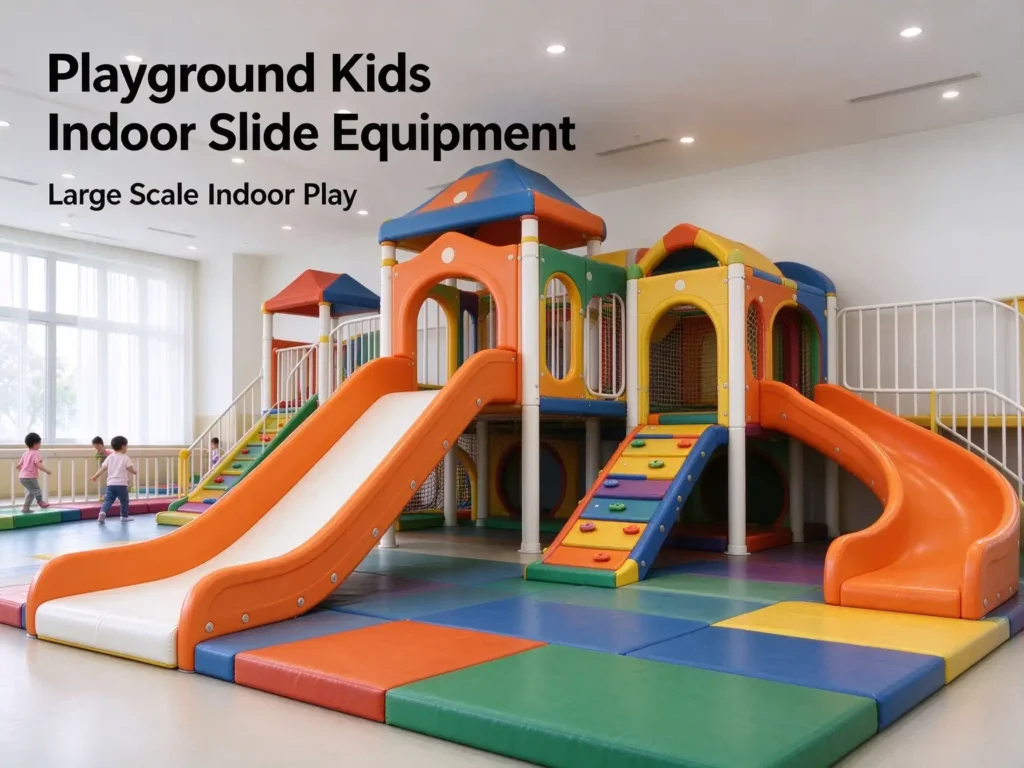
If you are considering opening a venue, the range of indoor playground equipment available today goes far beyond trampolines alone. Climbing structures, ninja courses, interactive ball pits, and themed play zones are often packaged together to create a more complete experience and keep visitors on-site longer.

What to Look for in a Trampoline Park for Kids
A good trampoline park for kids has dedicated toddler zones, visible safety rule enforcement, clean facilities, well-maintained padding, and clear age-based separation. The best parks design their layout to let younger children play safely without getting run over by teenagers, while still offering enough variety to entertain all age groups.
Age-Appropriate Zones
This matters more than almost anything else. A trampoline park that mixes toddlers with teenagers on the same jump surfaces is a bad setup. Look for parks that advertise:
- Dedicated toddler areas with smaller trampolines, soft obstacles, and lower impact surfaces
- Separate jump zones for different age groups, especially during peak hours
- Adult supervision policies that require parents to stay within sight of young children
Call ahead and ask how they handle mixed-age crowds. A staff member who can clearly explain their age-separation policy is usually a sign of a well-run facility.
Variety of Activities
Jumping on a flat trampoline gets old after about 20 minutes for most kids. The best parks layer in other activities:
- Foam pits for practicing flips and tricks
- Dodgeball courts built into trampoline floors
- Basketball lanes with trampoline-assisted dunking
- Ninja warrior-style obstacle courses
- Climbing walls over foam pits
- Slacklines and balance challenges
A park that invests in multiple activity zones keeps kids engaged longer, which matters if you are paying for a two-hour session rather than a drop-in.
Cleanliness and Maintenance
You can tell a lot within the first 30 seconds. Look at the floor. Look at the foam pit cubes: are they torn or compressed? Check if grip socks are actually required or just suggested. Walk past the restroom on your way in.
Grip socks should be mandatory, not optional. They reduce slips and keep the surfaces cleaner. Parks that waive this rule casually are often cutting corners elsewhere.
Staff Presence and Training
Good trampoline parks have court monitors who are actually watching the jumpers, not scrolling through phones. They blow whistles when kids break safety rules. They step in when things get rough. A park where staff are present but disengaged should make you reconsider.
Quality trampoline park equipment and proper maintenance are only as effective as the people enforcing the rules around them. The human factor matters just as much as the hardware.
Safety Standards and What to Ask Before You Go
Reputable trampoline parks follow ASTM International safety standards for trampoline courts, require grip socks, enforce one-jumper-per-trampoline rules, maintain proper padding coverage, and train staff in emergency response. If a park cannot answer basic safety questions when you call, it is not the right choice for your family.
Key Safety Questions to Ask
Before booking a session or party, call the park and ask these five questions:
| Question | What to Listen For |
|---|
| What safety standards do you follow? | Should mention ASTM F2970 or equivalent national standards |
| How often is equipment inspected? | Daily checks minimum; monthly professional inspections ideal |
| What is your staff-to-jumper ratio? | At least 1 court monitor per active zone |
| Do you offer a safety briefing before jumping? | Yes, mandatory for all first-time visitors |
| What is your injury protocol? | Clear answer about first aid, incident reporting, and emergency procedures |
A park that hesitates or gives vague answers to these questions is one you should skip. Safety is not a “we try our best” area. It is either systematic or it is not.
Common Injuries and How Good Parks Prevent Them
Most trampoline park injuries come from a few predictable causes: collisions between jumpers, landing wrong after a trick, falling off the edge of a trampoline, and landing on improperly padded surfaces. Well-run parks address each of these:
- Collisions: Enforce one-jumper-per-trampoline rules and separate age groups
- Trick injuries: Restrict flips and advanced moves to designated zones with staff supervision
- Edge falls: Maintain full padding coverage on all spring beds and frame edges with no gaps
- Foam pit safety: Regularly fluff and replace foam cubes to maintain depth and prevent bottoming out
The difference between a safe trampoline park and a risky one is not the equipment itself. It is whether rules are consistently enforced.

Trampoline Park vs. Other Indoor Playgrounds
Trampoline parks offer high-energy, physically demanding play that appeals to a wide age range, from toddlers to adults. Traditional indoor playgrounds, with slides, ball pits, and climbing structures, tend to serve younger children better and involve less organized physical activity. The right choice depends on the ages of your kids and what kind of experience you want.
Quick Comparison
| Feature | Trampoline Park | Traditional Indoor Playground |
|---|
| Best age range | 5 and up | 1 to 10 |
| Adult participation | High (can jump alongside kids) | Low (mostly supervise from seating) |
| Physical intensity | High (cardio, coordination) | Moderate (climbing, sliding) |
| Party hosting | Strong (dedicated party rooms) | Strong (often more budget-friendly) |
| All-weather activity | Yes | Yes |
| Average session length | 1 to 2 hours | 1.5 to 3 hours |
| Price range (per child) | $12 to $25 | $8 to $18 |
When to Choose a Trampoline Park
Pick a trampoline park when you want an active experience that burns serious energy, when you have kids across a wider age range, or when you as a parent want to participate rather than sit on a bench. Birthday parties for kids aged 8 to 14 are especially well-suited to trampoline parks because the activities feel more grown-up than a ball pit.
When to Choose a Traditional Indoor Playground
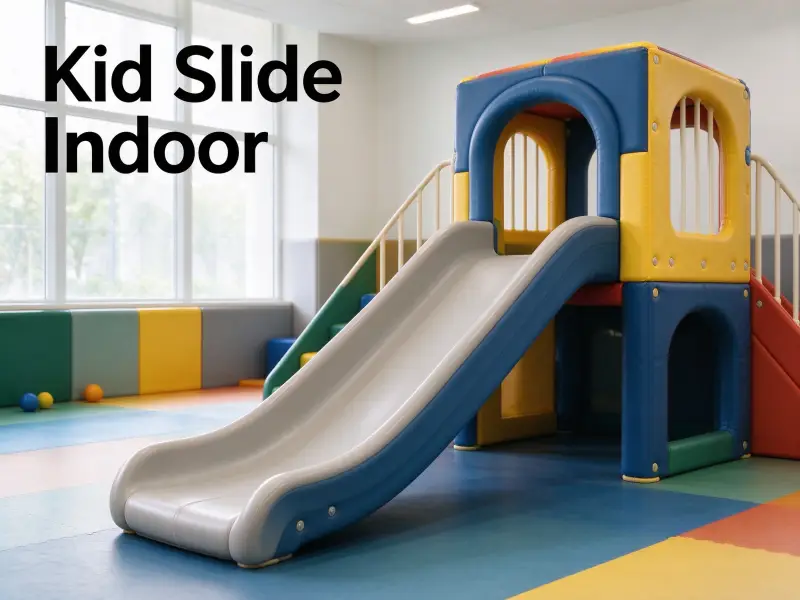
Go with a traditional play center when you have toddlers or preschoolers who might get overwhelmed or knocked over in a trampoline environment. Soft play areas with smaller slides, sensory elements, and contained spaces are often a better match for children under 5.
Many modern family entertainment centers now blend both formats under one roof. A single facility might have a trampoline court, a soft play toddler zone, a ninja course, and an arcade. This hybrid model solves the age-range problem and keeps families on-site longer.
What a Good Trampoline Park Visit Looks Like
A well-run trampoline park visit follows a predictable rhythm: you book online, arrive to a clean lobby, complete a quick safety waiver and briefing, put on grip socks, and spend the next hour or two moving between activity zones. The experience should feel organized from check-in through checkout, with staff visible and engaged throughout.
Before You Arrive
Most parks now require or strongly encourage online booking, especially on weekends. This saves time and guarantees your spot. Fill out the waiver online before you arrive. Every park requires one, and doing it at the facility on a busy Saturday means standing in a lobby filling out forms on your phone while your kids pull at your sleeve.
Wear comfortable athletic clothes. Avoid loose jewelry, belts with studs, and anything that could scratch equipment or snag on foam. If you own grip socks from a previous visit, bring them. If not, expect to buy a pair for $2 to $4 at the counter.
During the Session
A good session flows naturally. Kids start on the main jump court, then gravitate toward the foam pit or dodgeball area. Parents can jump alongside younger children or watch from designated seating areas. Staff rotate between zones, resetting equipment and checking that rules are being followed.
Pay attention to timing. Most sessions run 60, 90, or 120 minutes. Parks usually announce a five-minute warning over the speaker system. When the session ends, jumpers return to the lobby area, return any rented equipment, and clear out.
Red Flags That Signal a Bad Experience
- The waiver station is a mess and nobody is helping
- Grip socks are suggested but not enforced
- Court monitors are on their phones
- Padding is visibly torn or missing sections
- There is no clear separation between age groups
- The foam pit looks shallow or the cubes are matted down
Any one of these is a sign the operation is not running at full attention, and in a trampoline park, attention is what keeps people safe.

Why More Businesses Are Investing in Trampoline Parks
Trampoline parks represent one of the more accessible entry points into the family entertainment industry. Startup costs are lower than many alternatives like water parks or amusement centers, and the revenue model supports diverse income streams. With the global market projected to exceed $3.4 billion by 2033, investor interest remains strong.
The Numbers Behind the Growth
The business case for opening a trampoline park has improved steadily. Equipment costs have become more competitive as more manufacturers enter the market. Landlords in many markets are willing to offer favorable lease terms on large-format retail spaces that have sat empty since the shift to e-commerce. Insurance costs, while significant, are manageable when paired with proper staff training and ASTM-compliant equipment.
The revenue side breaks down across several categories:
- Open jump admissions: Walk-in traffic, typically the largest share of revenue
- Birthday parties and group events: Higher margin, booked in advance, reliable weekend fill
- Fitness classes: Trampoline-based aerobics programs that bring in adults during weekday mornings
- Concessions and merchandise: Grip socks, snacks, branded items
- Membership programs: Monthly recurring revenue from frequent visitors
The diversification matters. A park is not dependent on any single revenue stream, which makes it more resilient than businesses built on one product or service.
What Makes a Park Stand Out
Generic parks with a few trampoline courts and a foam pit will struggle to compete as the market matures. Parks that invest in themed design, unique activity zones, and high-quality equipment are the ones building repeat business. A custom indoor playground with a distinct visual identity creates the kind of experience visitors post about on social media and come back to with friends.
The difference between a park that thrives and one that plateaus often comes down to the initial investment in equipment quality and layout design. Cutting corners on the build-out phase leads to higher maintenance costs later and a less compelling visitor experience from day one.
Location Still Rules
A trampoline park needs to be within a 15 to 25 minute drive of a population base of at least 50,000 to 75,000 to sustain consistent traffic. Visibility from major roads helps with walk-in discovery. Ample parking matters more than people expect. Families show up in minivans and SUVs, and a cramped lot creates friction before the experience even starts.
Frequently Asked Questions
How much does it cost to visit a trampoline park?
Most trampoline parks charge between $12 and $25 per person for a one-hour to two-hour session. Prices vary by location, day of the week, and age group. Toddler sessions are often cheaper. Many parks offer family packages, monthly memberships, and discounted rates during weekday off-peak hours. Grip socks are usually an additional $2 to $4 if you do not bring your own.
What age is appropriate for a trampoline park?
Children as young as 18 months can enjoy trampoline parks with dedicated toddler zones, though the sweet spot is ages 5 to 14. Most parks enforce minimum age requirements for certain zones. Toddler time sessions, offered during weekday mornings, are specifically designed for children under 6 and their parents. Teenagers and adults can use all areas of the park, and many locations offer adult-only fitness classes.
Are trampoline parks safe for kids with no prior experience?
Yes, when proper safety rules are followed and staff are attentive. First-time visitors should start with basic bouncing before attempting tricks, stay within their comfort zone, and pay attention during the mandatory safety briefing. Parents should review the rules with children before the session and watch younger kids closely during the first visit. Parks that follow ASTM standards, enforce one-jumper-per-trampoline rules, and maintain proper padding coverage provide a controlled environment for beginners.