Understanding New York State Playground Equipment Regulations in 2026
Playgrounds are essential spaces where children develop physical coordination, creativity, communication skills, and confidence. However, with increasing awareness of child safety, accessibility, and long-term durability, playground construction is no longer simply about installing slides and swings. In 2026, New York State continues to emphasize strict compliance with safety requirements for public playgrounds, schools, childcare facilities, parks, and commercial recreational areas.
Understanding playground equipment regulations is critical for schools, daycare centers, municipalities, property developers, contractors, and playground operators. A properly designed playground must meet safety standards related to fall protection, equipment height, accessibility, material safety, fencing, maintenance, and age-appropriate design.
Whether you are planning a new outdoor play area, upgrading an existing facility, or purchasing commercial playground equipment, compliance with New York State requirements helps reduce injury risks while creating a safer and more enjoyable environment for children.
JinQiKai specializes in designing and manufacturing customized playground solutions for global customers, including schools, parks, residential communities, childcare centers, and commercial entertainment facilities. With professional engineering capability, durable materials, and OEM/ODM customization services, JinQiKai provides reliable playground equipment solutions that combine safety, creativity, and long service life.

Overview of New York State Playground Equipment Regulations
New York State playground safety requirements are primarily based on guidelines from the U.S. Consumer Product Safety Commission (CPSC), ASTM International standards, accessibility requirements, and state-specific child safety regulations.
These regulations apply mainly to public-use playgrounds, including:
- Public parks
- Schools
- Childcare facilities
- Community playgrounds
- Commercial entertainment venues
- Recreation centers
- Campgrounds
Private residential playgrounds located on one-, two-, or three-family properties may have different requirements and are generally exempt from many public playground regulations.
The purpose of these standards is to ensure that playground equipment is:
- Safe for children of different ages
- Designed to prevent falls and entrapment
- Manufactured with non-toxic materials
- Installed with proper safety surfacing
- Accessible for children with different abilities
- Maintained regularly throughout its service life
For businesses planning a playground project, understanding nys playground regulations and playground rules and regulations is the first step toward successful installation.
Key Playground Safety Standards Required in New York State
1. Playground Surfacing Requirements
One of the most important aspects of playground safety is impact protection. Falls are one of the most common causes of playground injuries, so New York State requires appropriate protective surfaces underneath and around elevated equipment.
Hard surfaces such as:
- Concrete
- Asphalt
- Blacktop
- Dirt
- Grass
are not considered adequate safety surfaces for areas beneath climbing structures, slides, swings, and elevated platforms.
Approved playground surfacing materials include:
| Surfacing Material | Safety Performance | Common Applications |
|---|---|---|
| Engineered wood fiber | Excellent impact absorption | Schools, parks, daycare centers |
| Rubber mulch | Long-lasting and low maintenance | Commercial playgrounds |
| Poured-in-place rubber | Accessible and wheelchair-friendly | Inclusive playgrounds |
| Sand | Traditional loose-fill option | Public parks |
| Pea gravel | Cost-effective impact surface | Outdoor playgrounds |
For loose-fill materials, a minimum depth of approximately 9 inches is generally recommended depending on equipment height.
Among modern solutions, rubber mulch for playgrounds has become increasingly popular because it provides excellent shock absorption, weather resistance, and easier maintenance compared with traditional wood chips.
JinQiKai designs playground solutions with safety surfacing requirements considered from the beginning of the project. Our engineering team helps customers select suitable materials according to equipment height, usage environment, climate conditions, and local regulations.
2. Age-Appropriate Playground Equipment Design
Children have different physical abilities depending on their age group. Therefore, playground structures must match children’s development stages.
According to playground safety recommendations:
| Age Group | Recommended Equipment Height |
|---|---|
| Under 2 years old | Maximum climbing height around 2.5 feet |
| Ages 2–5 | Maximum climbing height around 5 feet |
| Ages 5–12 | Higher challenge structures allowed with proper safety protection |
Choosing inappropriate equipment can increase accident risks. For example, toddler areas should focus on:
- Low platforms
- Small slides
- Sensory activities
- Easy climbing features
while playgrounds for older children may include:
- Taller climbing structures
- Rope challenges
- Adventure components
- Interactive activity systems
JinQiKai provides age-specific playground design solutions, including:
- Playground equipment for daycare
- Commercial playground equipment for schools
- Park playground equipment
- Campground playground equipment
- Inclusive playground equipment
Each project can be customized according to children’s age groups, available space, and customer requirements.
3. Entrapment and Entanglement Prevention Requirements
A major requirement in playground safety standards is preventing children from becoming trapped or strangled.
Playground designers must avoid dangerous openings that could trap a child’s:
- Head
- Neck
- Arms
- Legs
Generally, openings between approximately 3.5 inches and 9 inches require special attention because they may create head entrapment risks.
Other safety requirements include:
- Avoiding sharp edges
- Eliminating exposed bolts
- Preventing clothing attachment points
- Ensuring moving components operate safely
Children should not use playground equipment while wearing:
- Necklaces
- Scarves
- Loose drawstrings
- Jump ropes
- Pet leashes
These items may become caught on equipment and create strangulation hazards.
Modern durable playground equipment manufacturers must consider these risks during product design. JinQiKai uses professional engineering processes to optimize structural safety, connection methods, and material selection.
4. Material Safety Requirements for Playground Equipment
Material selection directly affects playground durability and child safety.
New York State regulations restrict the use of certain harmful materials, including chromated copper arsenate (CCA)-treated wood in public playground structures.
High-quality modern playground systems typically use:
HDPE Plastic Components
HDPE slide systems and other HDPE components are widely used because they provide:
- Weather resistance
- UV protection
- Smooth surfaces
- Low maintenance requirements
- Bright long-lasting colors
Powder-Coated Steel Frames
Metal structures should have:
- Anti-rust coating
- Strong welding quality
- Smooth finishing
- Weather resistance
Environmentally Friendly Materials
Professional manufacturers focus on:
- Non-toxic coatings
- Recyclable plastics
- Safe structural materials
JinQiKai manufactures outdoor playground systems using carefully selected materials designed for outdoor environments, ensuring stability, safety, and long-term performance.
5. Playground Fence Regulations in New York State
Fencing is another important factor for childcare centers and educational facilities.
According to childcare safety requirements, many facilities need appropriate barriers to prevent children from leaving supervised areas.
Common playground fence regulations include:
- Strong and stable construction
- Child-safe openings
- Adequate height
- Secure gates
- Visibility for supervision
For daycare and school playground projects, fencing should work together with equipment layout, walking paths, and supervision areas.
Facilities should also consider:
- Emergency access
- Accessibility entrances
- Maintenance space
- Weather protection
JinQiKai provides complete playground planning services, helping customers integrate equipment, fencing, safety zones, and overall site layout.
6. ADA Playground Requirements and Inclusive Design
Modern playgrounds must consider accessibility. Children with different physical abilities should have opportunities to participate and enjoy outdoor activities.
Important accessibility considerations include:
- Accessible pathways
- Transfer platforms
- Ground-level activities
- Sensory play elements
- Inclusive seating areas
Customers often reference an ada playground requirements pdf when planning accessible playground projects.
Popular inclusive components include:
- Playground sensory panels
- Interactive Play Panels
- Ground-level activity stations
- Accessible ramps
- Communication-based activities
JinQiKai develops inclusive playground solutions that allow children of different abilities to play together, supporting modern community recreation trends.
7. Childcare and School Playground Requirements
Childcare centers and schools have additional responsibilities because they serve young children daily.
Facilities must consider:
- Age-appropriate equipment
- Safe supervision areas
- Regular inspection schedules
- Proper maintenance records
- Temperature-related safety
For example, many childcare providers review daycare outside temperature rules ny when deciding whether outdoor activities are appropriate during extreme weather conditions.
Schools and daycare facilities often require:
- Lower-height equipment
- Safer climbing systems
- Easy-clean surfaces
- Durable structures
JinQiKai offers specialized solutions for:
- Preschool playgrounds
- Elementary school playgrounds
- Indoor activity centers
- Community recreation areas
Including:
- Indoor Soft Playground
- Indoor playground equipment
- Children’s climbing net
- Interactive Play Panels
- Communication Tube Play Equipment
Commercial Playground Equipment Selection Guide for New York Projects
Understanding Commercial vs Residential Playground Equipment
When planning a playground project, one of the most important decisions is selecting the correct type of equipment. Many buyers confuse residential playground products with commercial systems, but the differences are significant.
Commercial vs residential playground equipment mainly differs in durability, safety requirements, usage frequency, materials, and certification expectations.
| Comparison | Residential Playground Equipment | Commercial Playground Equipment |
|---|---|---|
| Intended Users | Private families | Schools, parks, communities, businesses |
| Daily Usage | Low frequency | High frequency |
| Material Strength | Standard materials | Heavy-duty commercial materials |
| Design Life | Shorter service period | Long-term outdoor operation |
| Safety Requirements | Basic household safety | Strict public safety standards |
| Customization | Limited options | Full OEM/ODM customization |
| Maintenance | Owner responsibility | Professional maintenance planning |
For public facilities, schools, and commercial recreation spaces, choosing professional commercial playground equipment is essential because these environments experience hundreds or even thousands of users every day.
JinQiKai focuses on manufacturing professional commercial systems that meet the needs of global customers, including:
- Municipal parks
- Schools
- Daycare centers
- Resorts
- Shopping centers
- Residential communities
- Outdoor recreation facilities
With advanced production technology and experienced engineers, JinQiKai provides safe, creative, and durable playground solutions.
Main Types of Playground Equipment for Commercial Projects
1. Outdoor Playground Equipment for Parks and Communities
Public parks require equipment that can withstand intensive use and changing weather conditions.
Popular products include:
- Large climbing structures
- Multi-level play systems
- Slides
- Swings
- Interactive stations
- Fitness equipment
Modern park playground equipment focuses not only on entertainment but also on physical development, social interaction, and inclusive participation.
Typical components include:
Playground Climbers
Climbing structures help children improve:
- Balance
- Strength
- Coordination
- Problem-solving skills
Popular options include:
- Rope climbing walls
- Vertical climbing nets
- Adventure bridges
- Rock climbing panels
JinQiKai designs customized climbing solutions using durable materials suitable for outdoor environments.
Children’s Climbing Net
A Children’s climbing net is one of the most popular adventure components because it encourages active movement while allowing different difficulty levels.
Benefits include:
- Full-body exercise
- Flexible challenge levels
- Space-saving design
- Suitable for different age groups
2. Slides and Sliding Equipment
Slides remain one of the most popular playground attractions worldwide.
Commercial playground slides require:
- Smooth surfaces
- Strong support structures
- Rounded edges
- UV resistance
- Safe landing zones
Common products include:
HDPE Slide
An HDPE slide is widely used in modern playground systems because HDPE provides:
- Excellent impact resistance
- Strong weather durability
- Color stability
- Easy cleaning
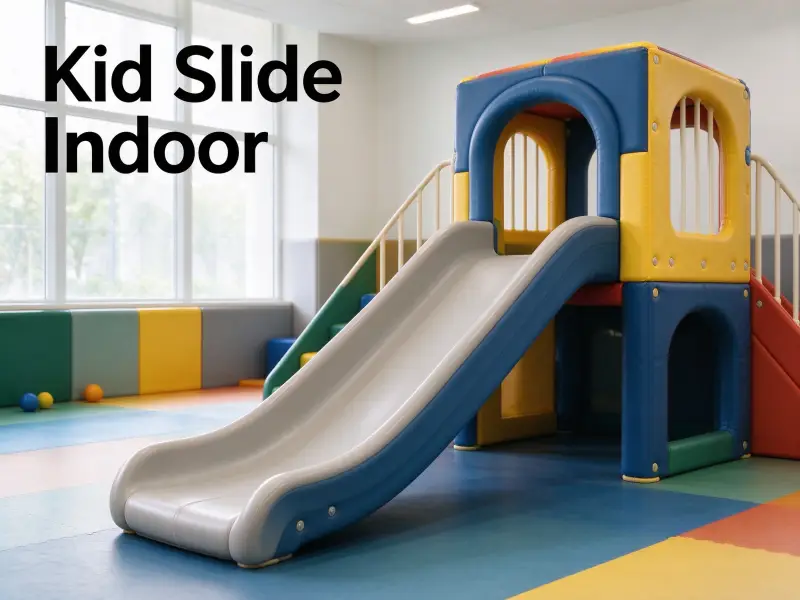
Plastic Slide
A Plastic slide is commonly selected for:
- Preschool playgrounds
- Daycare facilities
- Small outdoor play areas
Advantages include:
- Lightweight structure
- Safe touch temperature
- Bright appearance
- Easy maintenance
Commercial Playground Slides
Large public projects often use commercial playground slides designed for higher traffic.
Options include:
- Spiral slides
- Tunnel slides
- Wave slides
- Double slides
- Custom-shaped slides
JinQiKai provides customized slide designs according to customer requirements, including size, color, structure, and theme.
3. Interactive and Educational Playground Components
Modern playground design is moving beyond traditional climbing and sliding. Educational and sensory elements are becoming increasingly popular.
Interactive Play Panels
Interactive Play Panels encourage children to develop:
- Logical thinking
- Hand-eye coordination
- Communication skills
- Creativity
Examples include:
- Maze panels
- Music panels
- Puzzle activities
- Rotating games
Communication Tube Play Equipment
Communication Tube Play Equipment creates opportunities for children to interact with each other.
It supports:
- Social development
- Language practice
- Cooperative play
These components are especially popular in:
- Schools
- Kindergartens
- Community playgrounds
Playground Sensory Panels
Playground sensory panels are designed for inclusive play environments.
They support children through:
- Touch-based activities
- Sound exploration
- Visual stimulation
These elements are increasingly included in inclusive playground equipment projects.
4. Rotating and Motion-Based Playground Equipment
Dynamic playground components provide excitement and physical challenges.
Common examples include:
Merry Go Round
A merry go round remains a classic playground attraction.
Modern commercial versions focus on:
- Safer rotation systems
- Stronger frames
- Anti-slip platforms
- Better accessibility
Spinning Playground Equipment
Spinning playground equipment provides:
- Vestibular stimulation
- Balance training
- Interactive fun
Professional designs include controlled rotation speeds and safety handles.
Commercial Seesaws
Commercial seesaws are redesigned with:
- Shock absorption systems
- Durable seats
- Strong frames
- Safety handles
Playground Spring Riders
Playground spring riders are suitable for younger children.
Features include:
- Compact installation
- Colorful designs
- Individual play experience
JinQiKai manufactures a wide range of motion-based playground products suitable for parks, schools, and commercial recreation areas.
5. Outdoor Fitness Equipment Integration
Many modern parks combine children’s playground areas with adult fitness zones.
Outdoor Fitness Equipment provides opportunities for:
- Community exercise
- Family activities
- Healthy lifestyles
Popular outdoor fitness products include:
- Walking machines
- Outdoor bicycles
- Strength training stations
- Stretching equipment
Combining playgrounds with fitness zones creates multi-generation recreational spaces.
JinQiKai supports complete outdoor recreation planning, allowing customers to develop integrated community wellness environments.
Custom Playground Equipment Solutions by JinQiKai
Every project has different requirements based on:
- Available land area
- User age groups
- Budget
- Local climate
- Design theme
- Safety regulations
Therefore, customized solutions are becoming increasingly important.
Custom Playground Equipment
Custom playground equipment allows customers to create unique playground experiences.
Customization options include:
Theme Design
Examples:
- Ocean theme
- Forest adventure theme
- Castle theme
- Space exploration theme
Structure Customization
Including:
- Equipment height
- Platform layout
- Activity combinations
- Safety zones
Color Customization
Customers can select:
- Brand colors
- Community colors
- School colors
Custom Non-standard Outdoor Playground
Large projects often require special designs that cannot be achieved with standard products.
A Custom Non-standard Outdoor Playground can include:
- Unique architectural structures
- Special dimensions
- Complex activity combinations
- Customized entertainment concepts
JinQiKai provides complete OEM/ODM services, from concept development to manufacturing and installation support.
How to Choose Reliable Playground Equipment Suppliers
Selecting the right manufacturer is critical for project success.
Professional playground equipment suppliers should provide:
| Evaluation Factor | Importance |
|---|---|
| Manufacturing experience | Ensures production reliability |
| Safety-focused design | Reduces accident risks |
| Material quality | Improves lifespan |
| Customization ability | Supports unique projects |
| Installation support | Ensures correct setup |
| After-sales service | Simplifies maintenance |
When searching for Commercial playground equipment manufacturers, buyers should evaluate:
- Factory capability
- Product certifications
- Export experience
- Engineering support
- Quality control systems
JinQiKai has extensive experience supplying global customers with:
- Wholesale playground equipment
- Customized playground structures
- Outdoor recreation solutions
- School playground systems
- Commercial entertainment equipment
Our advantages include:
1. Professional Design Capability
JinQiKai provides project-based solutions instead of simply selling individual products.
Our team considers:
- Safety zones
- User flow
- Equipment combinations
- Installation conditions
2. Durable Manufacturing
High-quality materials help create:
- Durable playground equipment
- Long service life
- Lower maintenance costs
3. Flexible OEM/ODM Service
Customers can request:
- Custom colors
- Custom structures
- Private branding
- Special layouts
4. Complete Product Range
From small playground components to large commercial systems, JinQiKai provides:
- Outdoor playground equipment for sale
- Indoor playground equipment
- School playground solutions
- Park recreation systems
Commercial Playground Installation Guide
A professional installation process is essential for safety and long-term operation.
A typical Commercial playground installation guide includes:
Step 1: Site Evaluation
Analyze:
- Ground conditions
- Available space
- Drainage
- Sun exposure
- User capacity
Step 2: Playground Layout Design
A professional layout should include:
- Equipment zones
- Safety clearance areas
- Walking paths
- Supervision locations
Many designers use an outdoor play area diagram pdf during planning to visualize:
- Equipment placement
- Fall zones
- Accessibility routes
Step 3: Equipment Installation
Installation should follow:
- Manufacturer instructions
- Safety standards
- Local regulations
Step 4: Safety Inspection
Before opening, check:
- Structural stability
- Surface protection
- Connection points
- Moving parts
JinQiKai provides installation guidance and technical support to help customers complete playground projects efficiently.
Playground Maintenance, Safety Management, and Long-Term Operation Guide
Why Regular Playground Maintenance Matters
Installing high-quality playground equipment is only the first step in creating a safe recreation environment. Regular inspection, cleaning, repair, and replacement are essential to ensure equipment remains safe throughout its service life.
For schools, daycare centers, parks, and commercial facilities, playground maintenance helps:
- Reduce injury risks
- Extend equipment lifespan
- Maintain appearance quality
- Ensure compliance with safety requirements
- Reduce long-term operating costs
According to modern public playground safety handbook recommendations, facility owners should establish a regular inspection system covering structural components, surfacing areas, hardware connections, and environmental conditions.
JinQiKai supports customers not only with playground manufacturing but also with professional guidance on maintenance planning, replacement solutions, and long-term equipment management.
Playground Inspection Checklist for Facility Owners
Regular inspections should focus on several key areas.
| Inspection Area | What to Check | Recommended Action |
|---|---|---|
| Structural Frames | Cracks, rust, loose connections | Repair or replace damaged parts |
| Slides | Surface damage, sharp edges, cracks | Replace unsafe sections |
| Swing Systems | Chains, seats, hanging points | Tighten or replace components |
| Climbing Equipment | Ropes, nets, platforms | Check strength and stability |
| Safety Surfacing | Depth, wear, displacement | Add or replace materials |
| Hardware | Missing bolts, exposed fasteners | Secure immediately |
Common problems include:
- Rusted metal components
- Broken plastic parts
- Loose bolts
- Damaged safety surfaces
- Worn-out accessories
Using reliable playground replacement parts ensures that equipment can continue operating safely without requiring complete replacement.
JinQiKai provides replacement solutions for different playground systems, helping customers maintain equipment performance and appearance.
Best Surfacing Materials for Playgrounds in 2026
Choosing suitable surfacing is one of the most important decisions when building a safe playground.
The Best surfacing materials for playgrounds should provide:
- Impact absorption
- Weather resistance
- Accessibility
- Easy maintenance
- Long service life
Comparison of Common Playground Surfacing Materials
| Material | Advantages | Considerations |
|---|---|---|
| Rubber mulch | Durable, shock absorbing, low maintenance | Requires proper installation depth |
| Poured rubber | Excellent accessibility and appearance | Higher initial investment |
| Wood chips | Affordable and natural appearance | Requires regular replenishment |
| Sand | Traditional and inexpensive | Can shift easily |
| Pea gravel | Good drainage | Less suitable for accessibility |
Among commercial projects, rubber-based surfaces are increasingly preferred because they provide stable performance in schools, parks, and public recreation areas.
JinQiKai considers surfacing requirements during playground design, ensuring equipment height, safety zones, and protective surfaces work together as a complete system.
Playground Design Ideas for Modern Commercial Projects
Modern playgrounds are evolving from simple equipment areas into creative outdoor learning environments.
Effective playground design ideas focus on:
- Physical development
- Social interaction
- Educational value
- Accessibility
- Visual appeal
Popular trends in 2026 include:
1. Nature-Inspired Playground Design
Natural themes create immersive experiences through:
- Tree shapes
- Forest adventure concepts
- Animal designs
- Organic structures
These designs encourage imagination and exploration.
2. Inclusive Playground Concepts
Inclusive playgrounds allow children of different abilities to participate together.
Popular features include:
- Ground-level activities
- Accessible ramps
- Sensory stations
- Adaptive equipment
3. Smart Interactive Play Areas
Technology is increasingly influencing playground design through:
- Interactive activity stations
- Sound-based games
- Educational play systems
4. Multi-Age Play Zones
Instead of separating all users, modern playgrounds create connected zones for:
- Toddlers
- Preschool children
- Older children
- Families
JinQiKai combines creative design with engineering expertise to develop customized playground environments for different application scenarios.
Indoor Playground Equipment Regulations and Applications
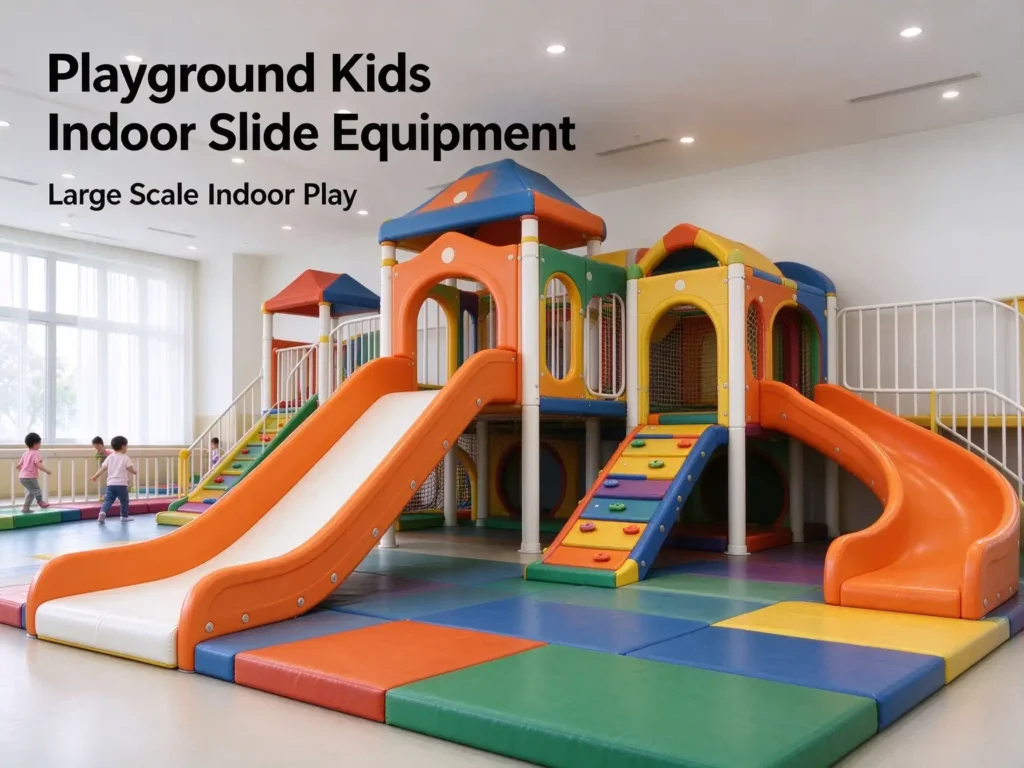
Outdoor playgrounds are not the only growing market. Indoor recreation centers, shopping malls, and family entertainment facilities increasingly require safe indoor systems.
Indoor playground equipment offers advantages including:
- Weather-independent operation
- Year-round entertainment
- Controlled environments
- Flexible space utilization
Popular indoor solutions include:
Indoor Soft Playground
An Indoor Soft Playground is designed with soft materials to reduce injury risks.
Common features include:
- Foam structures
- Soft climbing areas
- Ball pools
- Interactive games
These systems are widely used in:
- Shopping malls
- Restaurants
- Family entertainment centers
- Indoor amusement venues
JinQiKai develops customized indoor solutions based on:
- Available floor area
- Theme requirements
- Customer budget
- Target age group
How to Build a Commercial Playground Successfully
Many customers ask: How to build a commercial playground?
A successful project requires careful planning from concept to completion.
Step 1: Define Your Playground Purpose
Determine:
- Target users
- Expected capacity
- Location type
- Business objectives
Examples:
| Project Type | Recommended Equipment |
|---|---|
| School | Educational and durable systems |
| Daycare | Low-height toddler equipment |
| Park | Large public structures |
| Resort | Themed adventure playgrounds |
| Campground | Outdoor durable systems |
Step 2: Select the Right Equipment
Consider:
- User age
- Space availability
- Safety standards
- Maintenance requirements
Popular choices include:
- Commercial swing sets
- Commercial playground slides
- Playground climbers
- Commercial seesaws
- Spinning playground equipment
Step 3: Design Safety Zones
Every piece of equipment requires proper clearance.
The design should consider:
- Fall zones
- Traffic flow
- Accessibility routes
- Supervision visibility
Professional manufacturers provide layout drawings and technical recommendations before production.
Step 4: Installation and Final Inspection
A professional installation process includes:
- Foundation preparation
- Equipment assembly
- Safety checks
- Surface installation
- Final inspection
JinQiKai provides project support from initial design through manufacturing and delivery, helping customers complete playground projects efficiently.
Why Choose JinQiKai as Your Playground Equipment Manufacturer?
When selecting a supplier, buyers need more than products. They need a reliable partner capable of supporting the entire project.
JinQiKai provides comprehensive playground solutions with advantages including:
1. Professional Playground Manufacturing Experience
As an experienced playground supplier, JinQiKai understands international market requirements and provides products suitable for:
- Schools
- Parks
- Commercial facilities
- Residential communities
- Recreation centers
2. Complete Customization Capability
Different projects require different solutions.
JinQiKai supports:
- Custom colors
- Custom structures
- Theme playgrounds
- Special dimensions
- OEM branding
Whether customers need standard products or a Custom Non-standard Outdoor Playground, our engineering team can transform concepts into practical solutions.
3. High-Quality Materials
JinQiKai focuses on:
- Durable steel structures
- Safe HDPE components
- Weather-resistant coatings
- Reliable connection systems
This helps create long-lasting durable playground equipment suitable for demanding outdoor environments.
4. Wide Product Portfolio
JinQiKai supplies:
- Commercial playground systems
- Indoor playground solutions
- Outdoor fitness equipment
- Interactive play products
- Custom recreational structures
Products include:
- Outdoor Fitness Equipment
- Inclusive playground equipment
- Playground sensory panels
- Interactive Play Panels
- Communication Tube Play Equipment
- Children’s climbing net
- HDPE slide
- Plastic slide
5. Reliable Global Supply Capability
For distributors and contractors searching for Wholesale playground equipment, JinQiKai provides:
- Factory-direct supply
- OEM customization
- Flexible project support
- International shipping assistance
Our goal is to help partners create safer, more attractive, and more competitive playground projects worldwide.
Frequently Asked Questions About New York State Playground Equipment Regulations
What are the main New York State playground regulations?
New York playgrounds must follow safety requirements related to surfacing, equipment height, accessibility, material safety, and maintenance. Public facilities should follow CPSC and ASTM-based safety recommendations.
What materials are allowed under playground equipment?
Approved safety surfaces include:
- Rubber mulch
- Engineered wood fiber
- Sand
- Pea gravel
- Poured rubber systems
Hard surfaces such as concrete and asphalt should not be used beneath elevated equipment.
What height restrictions apply to children’s playground equipment?
Recommended maximum climbing heights depend on age:
- Under 2 years old: approximately 2.5 feet
- Ages 2–5: approximately 5 feet
Older children may use higher structures designed with proper safety protection.
Are playground fences required in New York?
Many childcare and school playgrounds require protective fencing. Specific requirements depend on facility type and local regulations.
What is the difference between commercial and residential playground equipment?
Commercial systems are designed for heavy public use and require stronger materials, higher durability, and stricter safety considerations.
Where can I buy commercial playground equipment?
Professional Commercial playground equipment manufacturers like JinQiKai provide complete solutions including design, production, customization, and installation support.
Final Thoughts: Building Safer Playgrounds with JinQiKai
New York State playground regulations in 2026 highlight an important principle: playgrounds must be designed around children’s safety, development, and accessibility.
From choosing the right surfacing materials to selecting durable structures, every detail affects playground performance.
For schools, daycare centers, parks, contractors, and distributors, working with an experienced playground manufacturer can simplify the entire process.
JinQiKai provides professional playground equipment solutions combining:
- Safety-focused engineering
- Durable materials
- Creative designs
- OEM/ODM customization
- Complete project support
Whether you need commercial playground equipment, outdoor playground equipment for sale, indoor playground equipment, or a fully customized playground project, JinQiKai is ready to provide reliable solutions.
Contact JinQiKai today to discuss your playground project and receive a customized design proposal.