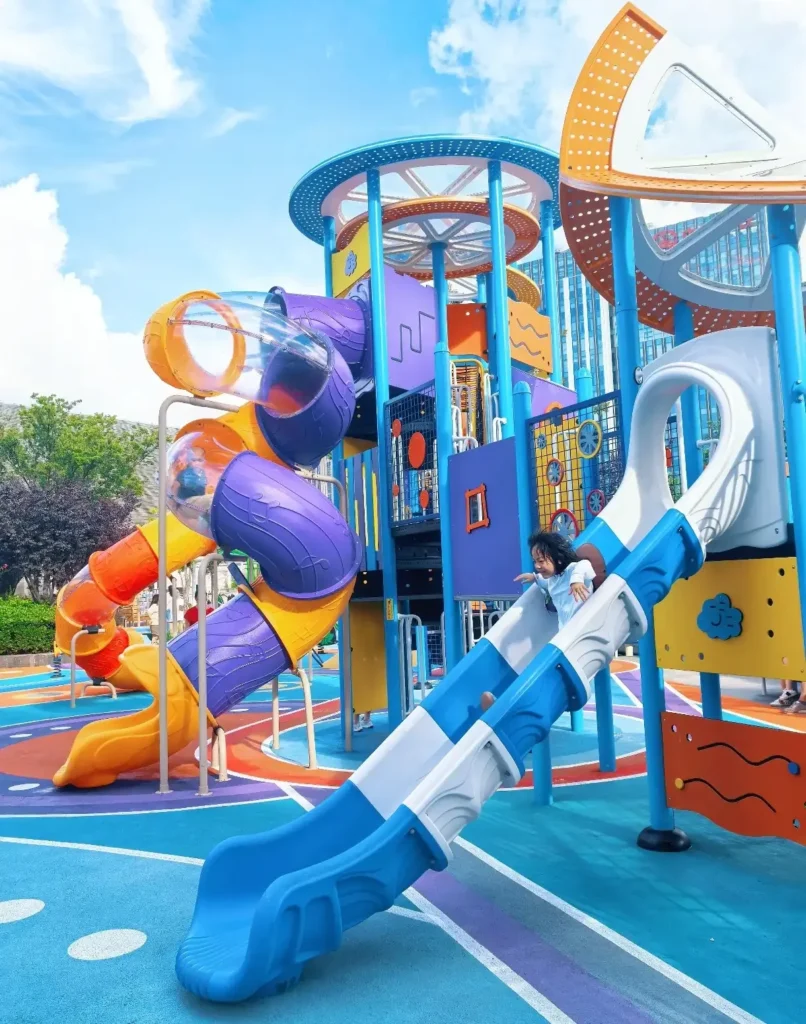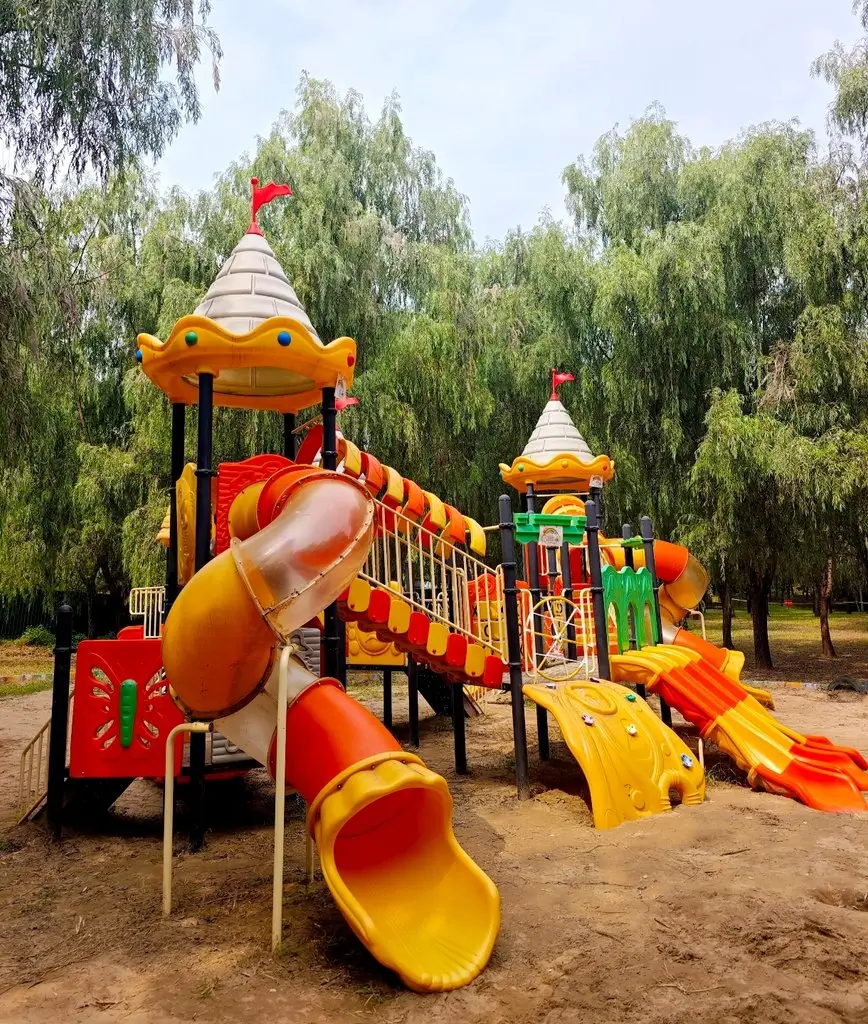
Choosing an outdoor combined slide seems straightforward, yet heavy daily use by groups of children can cause chipped corners, loose handrails and rust after rainy seasons. Every spring, kindergarten and property managers face a key concern: can this slide withstand heavy public‑venue wear‑and‑tear?
Good‑looking slides are not always the most cost‑effective long‑term option. Quality combined playground slides stay functional year‑round against sun and rain with minimal repairs. Units built from thin plastic or untreated steel degrade rapidly, and will result in high replacement expenses, failing to deliver inspection documents required by insurance firms.
This buying guide covers core selection criteria, key specifications and compliance paperwork to request from manufacturers, focusing on modular outdoor playground equipment widely used for schools, communities and amusement sites.
What is a commercial outdoor combined kids slide
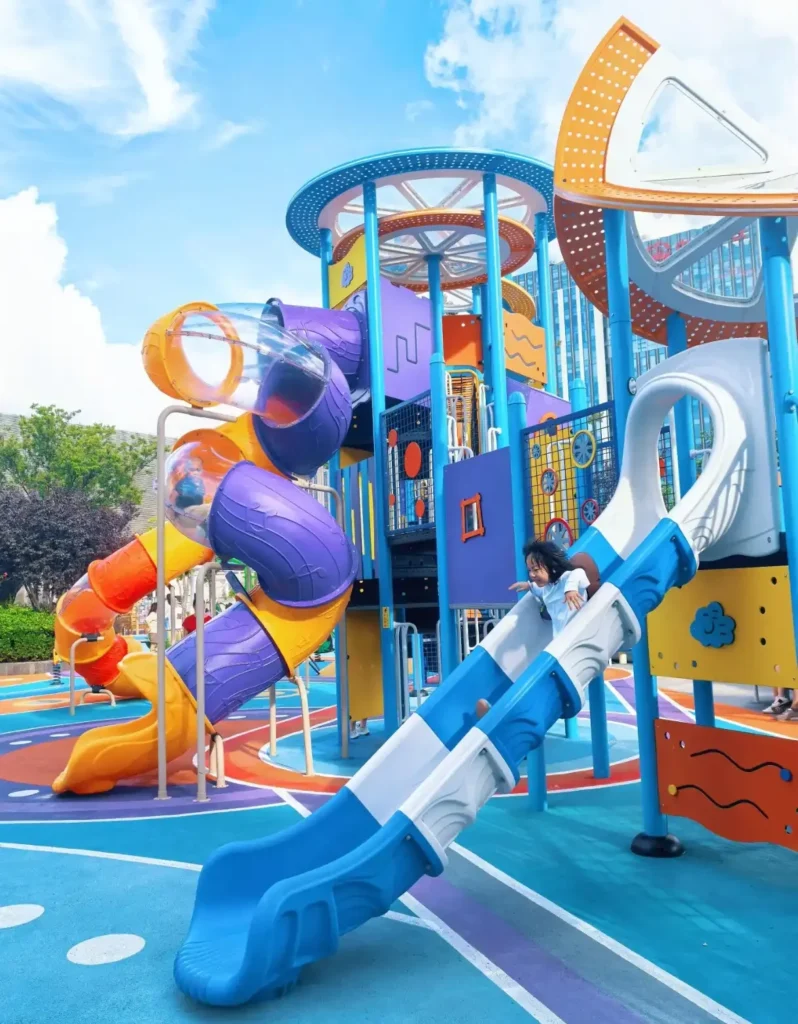
It is a multi‑activity play tower supported by rigid galvanized steel, whose overall performance largely relies on its core framework.
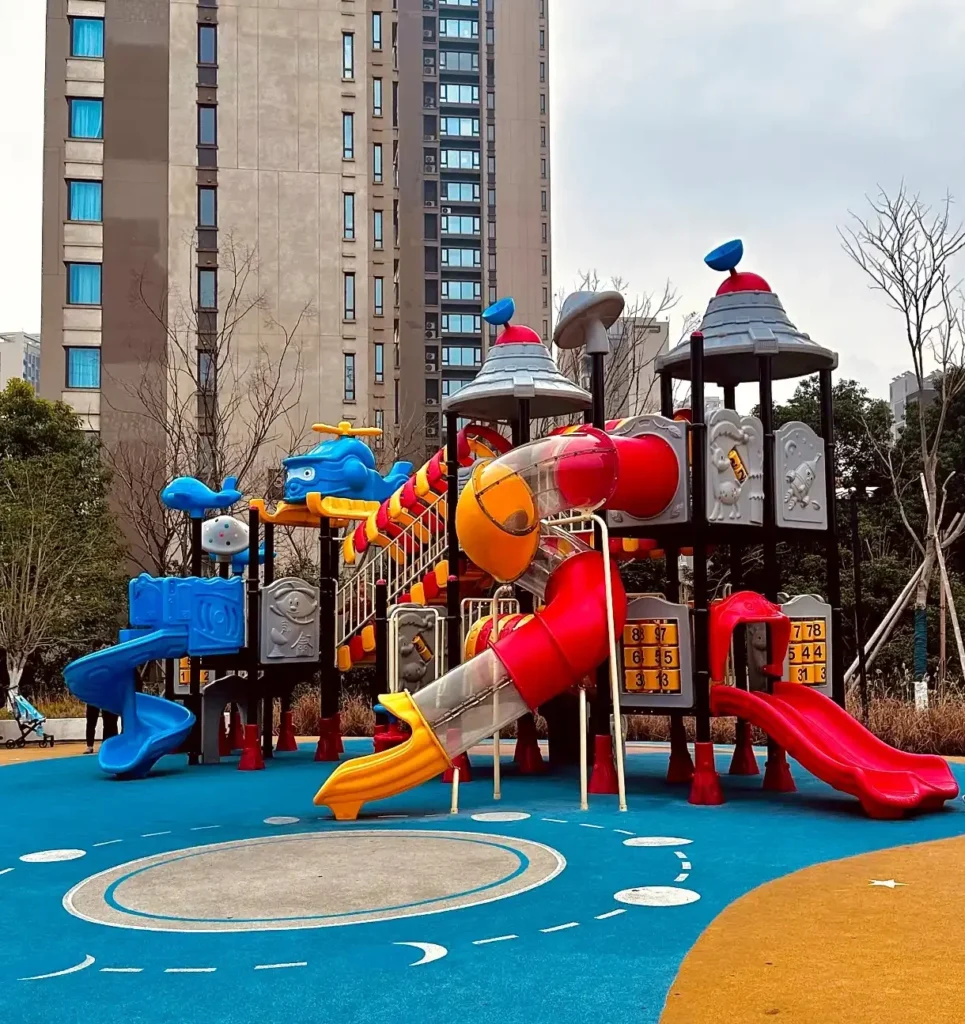
Commercial‑grade units are assembled with UV‑stabilized rotomolded plastic parts and heavy‑duty hot‑dip galvanized steel posts, secured by ground anchor bolts. Unlike inflatables, it will not collapse upon blower power failure.
- North America: ASTM F1487‑25 regulates public playground design, manufacture and site inspection.
- Europe: EN 1176 sets strict rules for dimension, entrapment risk and load testing.
Four critical performance metrics for public‑site buyers:
- Structural Rigidity: Thin steel posts wobble under children and speed up fastener loosening.
- Ground Anchorage: Anchor bolts should match soil, concrete or rubber safety surfacing conditions.
- Weather Resistance: Resist UV, rain, humidity and coastal salt‑spray corrosion.
- Age‑zoned design: Listed age ranges are engineering requirements, not marketing slogans. Overloading toddler‑oriented towers with older kids creates collision and impact hazards.
Strengths & limitations of fixed combined slides
Durable but non‑portable. Your weekly operating hours determine whether fixed slides fit your project.
Permanent installation for kindergartens & communities
Once anchored on level ground, fixed slides operate all‑season without repeated setup or blowers. Drawback: it requires a fixed floor footprint, flat foundation and compliant impact‑absorbing safety surfacing underneath. For year‑round public access, rigid modular slides deliver lower total cost of ownership over multiple seasons, compared with inflatable alternatives.
Short‑term event rental scenarios
Inflatables suit festivals and temporary events thanks to easy transport & quick setup. However, daily operation of inflatable units brings high labour costs: frequent anchoring/blower checks, wind‑related shutdowns, ongoing patching and replacement budgets. Fixed combined slides are not fit for frequent relocation.
Kids playground slide formats compared
| Format | Supporting Construction | Best suited to | Main constraint |
|---|---|---|---|
| Modular plastic combined outdoor slide | UV‑resistant LLDPE / engineering‑plastic panels + hot‑dip galvanized steel frame | Kindergartens, residential communities, public parks | Requires flat prepared foundation and safety impact surfacing |
| Stainless steel slide unit | 304 stainless‑steel sliding plates, heavy‑duty galvanized steel framework | Scenic resorts, coastal parks, high‑traffic public sites | Higher initial procurement cost, needs professional design layout |
| Inflatable slide | High‑strength PVC tarpaulin fabric, blower + ground anchoring | Weekend events, short‑term festival rental | Wind‑sensitive; must be deflated each night, cannot stay wet long‑term |
| Indoor soft‑play slide | EVA foam padding, HDPE panels, galvanized steel frames | Mall FEC, indoor family entertainment centres | Limited by ceiling height and fall‑zone space |
Key notes: Modular towers integrate ladders, guardrails and multi‑lane slides for mixed‑age groups. Slide surface material weighs more than decorative appearances. Stainless steel maintains smoothness after thousands of plays.
Key specifications for indoor & outdoor slides
Always request formal written specifications. A quote containing nothing but price and photos counts as incomplete documentation.
Age and weight rating
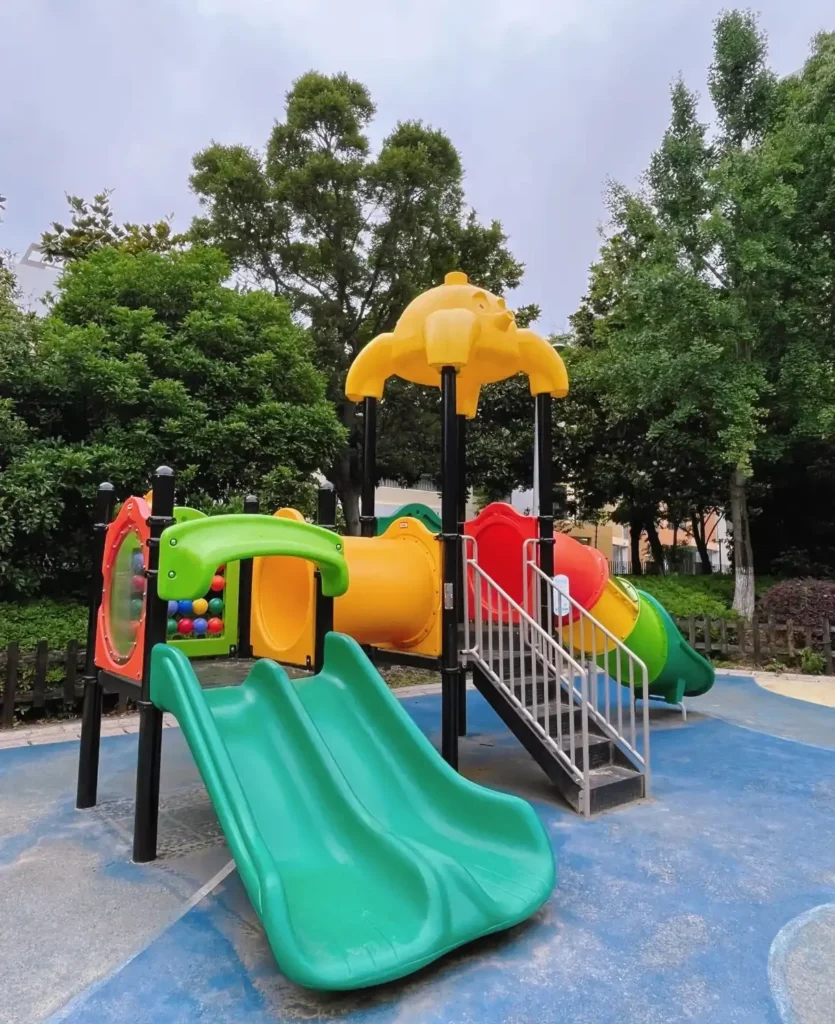
ASTM F1487‑25 references children’s body data aged 2‑12. Towers for 2‑6‑year‑olds feature lower platforms, gentle slopes and tight barriers; units for 6‑12‑year‑olds adopt taller towers and higher load capacity. High‑quality multi‑age slides design separate play zones. Younger kids use low‑level areas without entering high slide lanes; older children race on dual lanes to ease queue pressure and boost peak‑time throughput.
Platform height, slide length & lane quantity
Deck height decides slide length, critical fall height and required safety‑pad thickness. Double‑lane slides roughly double visitor capacity, while platform areas (not slides) usually become bottlenecks. Lower towers suit younger kids; taller towers for older children must keep safe gradient angles.
Material & surface finishing
- Plastic parts: UV‑stabilized rotomolded LLDPE / HDPE plastic for anti‑fading & anti‑cracking.
- Support frames: Hot‑dip galvanized steel with outdoor powder coating (mandatory for coastal sites).
- Sliding surfaces: Premium versions use polished 304 stainless‑steel plates with fully rounded corners. High‑end configurations include 12 mm food‑grade stainless plates, polycarbonate panels and standardized nylon safety nets.
- Fasteners: 304 stainless‑steel anti‑theft lock hardware against unauthorized disassembly.
Anchoring & drainage
Wobbly playground equipment poses safety hazards. Stainless‑steel anchors resist corrosion better than carbon‑steel ones. Even dry‑use slides need proper drainage to avoid platform rainwater slippage hazards.
Backyard / small‑site safety checklist
Most playground injuries stem from falls onto ground surfaces rather than equipment failure. Match safety‑pad thickness to the maximum fall height of elevated platforms. Inspect twice annually before peak play seasons:
- Confirm that safety‑surfacing depth remains compliant after winter‑time erosion.
- Check anchors & fasteners for rust or loosening
- Verify intact guardrails and baffles on elevated platforms
- Check for new entrapment gaps from component shift
- Clear slides & platforms of dirt, leaves and pooled water
- Follow printed age‑and‑capacity usage labels
Note: Adding hoses to standard dry slides cannot replace purpose‑built pool waterslides. Confirm local municipal codes before purchase.
Why venue operators pick permanent combined slides
Inflatables often incur higher long‑term costs from frequent replacement, supervision and daily setup‑teardown work.
- Lifecycle cost: Daily‑use inflatables need constant repairs and early retirement. Galvanized‑steel fixed slides remain safe long after multiple inflatable units are scrapped. Calculate total operating cost: purchase price, plus annual labor and repair costs, divided by expected service seasons.
- Compliance & insurance: Commercial projects require test reports (EN 1176 / ASTM / GB/T 39222), MSDS and factory certificates for bidding & customs. Fixed‑slide compliance is mostly factory‑determined and verified at installation, while inflatable compliance heavily depends on daily operator procedures.
Indoor kids slides: core differences
Indoor sites eliminate wind exposure but impose ceiling‑height, floor‑load constraints and cater to broad age groups (0‑12). Indoor soft‑play complexes combine slides, ball pits and climbing structures with foam‑padded HDPE‑and‑galvanized‑steel builds. Compact indoor units start at L500 × W480 × H375 cm; large multi‑level versions reach L1750 × W1000 × H520 cm (MOQ: 1 set). Two layout rules:
- Reserve overhead safety clearance for ceiling, lighting and sprinklers
- Count padded slide‑exit fall zone as essential equipment footprint
Custom playground projects
Complete site survey prior to final design drawing. Collect site dimensions, ground‑bearing capacity, target age groups, theme requirements, and required certifications.
| Project Phase | Typical Time Duration |
|---|---|
| Layout proposal & quotation | Within 12 hours upon receiving site info |
| Standard model production | 15‑30 days |
| Large / heavily customized project | 30‑45 days |
| 50‑100 ㎡ indoor soft‑play installation | 2‑3 days |
| Large themed outdoor installation | 1‑2 weeks |
Custom themes (space, forest, castle, marine etc.) are available in‑house to match venue branding.
Maintenance tips
- Outdoor: Rinse slides, tighten fasteners, clear drainage and inspect anchors season‑by‑season; keep stainless‑steel surfaces free of grit to prevent scratches.
- Indoor: Daily high‑touch‑surface cleaning; weekly wear‑and‑loose‑part checks; monthly deep cleaning for ball pits & foam parts. Always buy original spare hardware. Warranties are tiered: longer coverage for steel structures, shorter terms for consumable net parts. “Lifetime warranty” is unrealistic for public‑venue playground gear.
Get formal quotations
Provide site size, target age range, indoor‑or‑outdoor requirements, theme preference, and certification requirements. Manufacturers return layout & price within 12 working hours. Request full compliance document package together with quotes for procurement & customs clearance.
FAQ
How long do inflatable slides last vs permanent combined slides?
Service life depends on usage intensity. Weekend‑used residential inflatables last several seasons with proper care. Daily‑rental inflatables fail much earlier than galvanized‑steel fixed slides. Compare cost‑per‑operating‑season figures rather than upfront purchase price.
Can I install commercial‑grade slides in private backyards?
Commercial slides are built for heavy public use. They require solid foundations, proper anchoring and compliant safety surfacing. Check local building codes and strictly follow age‑weight limits.
Can toddlers and older kids share one play tower?
Yes, provided the design features separate play zones. Isolate low toddler play sections from high‑altitude slide lanes to reduce collision risks. Do not mix ages on identical slide lanes. Plan zoning at initial design phase.