Indoor trampoline parks have experienced tremendous change over the last fifteen years. What began as small 15,000-square-foot bounce arenas in the early 2010s has turned into an international industry with multi-level entertainment complexes that rival the size of traditional amusement parks.
The global trampoline parks market generated $1.35 billion in revenue in 2025, with projections indicating a rise to nearly $5 billion by 2034, experiencing a compound annual growth rate of 15.56%. Now, with more than 1,250 commercial trampoline parks in 78 countries, facility owners are competing to build ever-bigger and more feature-filled destinations.
One obvious winner in this trend to massive scale. As of 2026, one facility is the world’s largest indoor trampoline park by far — and its size redefines what investors and operators should think of as possible in the indoor recreation space.
The world’s largest indoor trampoline park is located in Leeds, UK, and is over 100,000 square feet in size—about the size of two American football fields or 21 NBA basketball courts.
The facility has more than 150 interconnected trampolines and 14 different attractions under one roof, including an 18,000-square-foot inflatable obstacle course, a multi-level ninja playground, a zip line that crosses the trampoline arena, a two-story laser tag arena, a roller disco, a drift bike arena and an exclusive slide zone. In its first three months of operation, it was visited by more than 120,000 people, averaging more than 1,300 guests a day.
This record-breaking facility is much more than just an impressive statistic. Its size, breadth of attractions and financial success offer a telling case study of where the indoor trampoline park industry is headed – and what operators, investors and equipment buyers need to know about the economics of super-sized venues. This article takes a deep dive into all aspects of the world’s largest trampoline park, from its physical footprint to its pricing model and explores what its success means for the future of indoor recreation.

How Big Is the World’s Largest Indoor Trampoline Park?
With over 100,000 square feet (about 9,290 square meters) of indoor entertainment space, it is the world’s largest indoor trampoline park. That’s more than double the size of even the upper end of a typical commercial trampoline park, which averages 15,000 to 45,000 square feet. The footprint of the facility is large enough to fit seven Olympic-size swimming pools.
To get a full sense of the size of a 100,000-square-foot indoor trampoline facility, it helps to put it in context of things you’re familiar with:
| Reference Point | Size (sq ft) | Approximate How Many Fit Inside |
|---|---|---|
| Standard trampoline park | 15,000-45,000 | 2.2x to 6.7x |
| NBA basketball court | 4,700 | 21+ |
| Olympic swimming pool | 13,455 | Over 7 |
| Average supermarket | 40,000 | 2.5 |
| NFL Football Field | 57,600 | Almost 2 |
| Tennis court | 2,808 | 35+ |
The park opened in October of 2025 and immediately broke all previous records for indoor trampoline parks around the world. Previously, the largest facilities in the category typically were 40,000 to 60,000 square feet. Leeds’s park almost doubled that high-water mark, creating a new competitive standard that has not been matched at any other venue so far.
Visitor data provides the business case for this level of investment. In its first three months of operation, the facility hosted more than 120,000 guests – an average of more than 1,300 visitors per day. This continued success demonstrates that the consumer appetite for large-scale indoor trampoline destinations is not theoretical but commercially proven and offers a valuable data point to operators thinking about large-format trampoline installations as a business model. For perspective, industry research shows that a typical commercial trampoline park sees annual visitation in the range of 120,000 to 200,000 guests — a number this venue accomplished in a single quarter’s time.
With more than 150 people employed in operations, safety supervision, event coordination and maintenance, the facility further illustrates the level of operational intensity required to run a venue of this size.

What to Expect from the World’s Largest Trampoline Park?
It’s the world’s biggest indoor trampoline park with 14 major attractions spread across four experience zones: a trampoline arena with more than 150 interconnected bouncing surfaces, an 18,000-square-foot inflatable obstacle course with integrated climbing walls, a multi-story ninja playground, a two-floor laser tag arena, a zip line, a roller disco, a drift bike arena, a slide zone and dedicated soft play areas for toddlers.
The list of attractions at this record-breaking facility can be segmented into various categories of experiences, to cater to a variety of ages and activity preferences:
Core Trampoline Area
The main trampoline arena is home to over 150 interconnected trampolines, the largest single indoor continuous bouncing surface. This area includes:
- Main arena with wall-to-wall trampolines for flooring
- Elevated gameplay trampoline surfaces in dedicated dodgeball courts
- High-performance trampolines for advanced aerial maneuvers and gymnastics-style training
- Trampolines tilted against padded vertical surfaces for wall-running
- Foam Pit Landing Zones Next to Trampoline Area for Safe Practice of Flips & Tricks
Zone of Adventure
The adventure part broadens the attraction of the facility beyond just trampolining:
- An 18,000-square-foot inflatable obstacle course, bigger than many standalone trampoline parks, with integrated climbing walls, tunnels, balance challenges and a massive slide to finish.
- A multi-level ninja playground with hanging climbing features, rope bridges, balance beams and agility obstacles
- Zip line spanning the full width of the trampoline arena
- a drift bike arena with a wheeled challenge (rather than the trampoline-based activities)
Slide Area
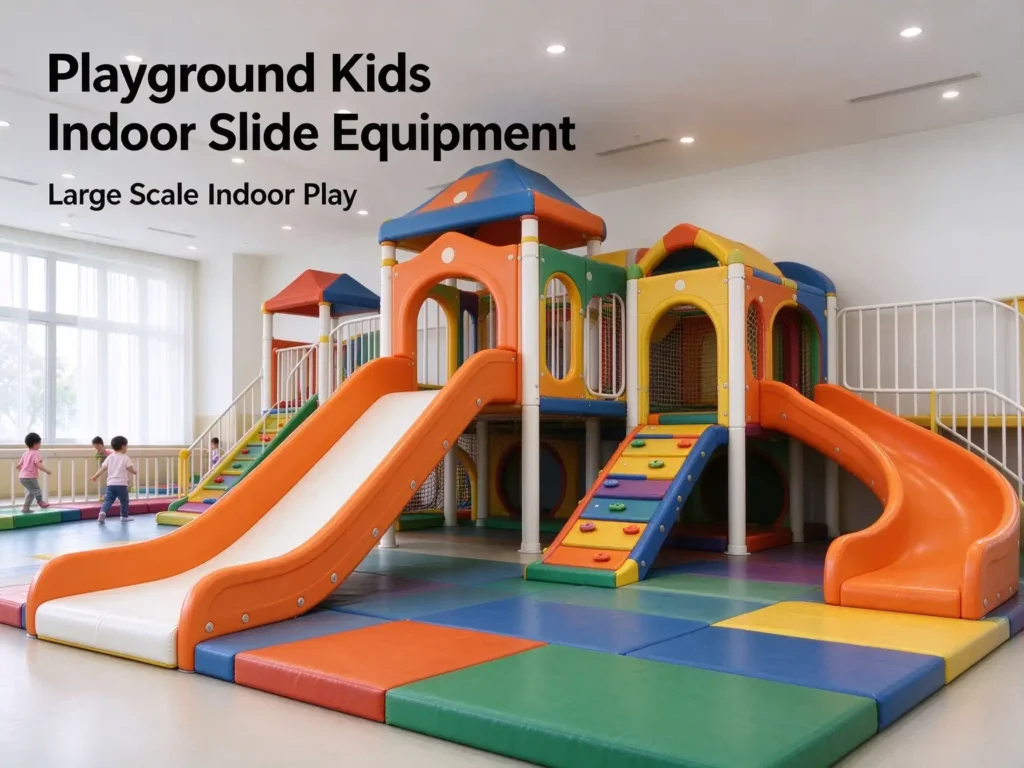
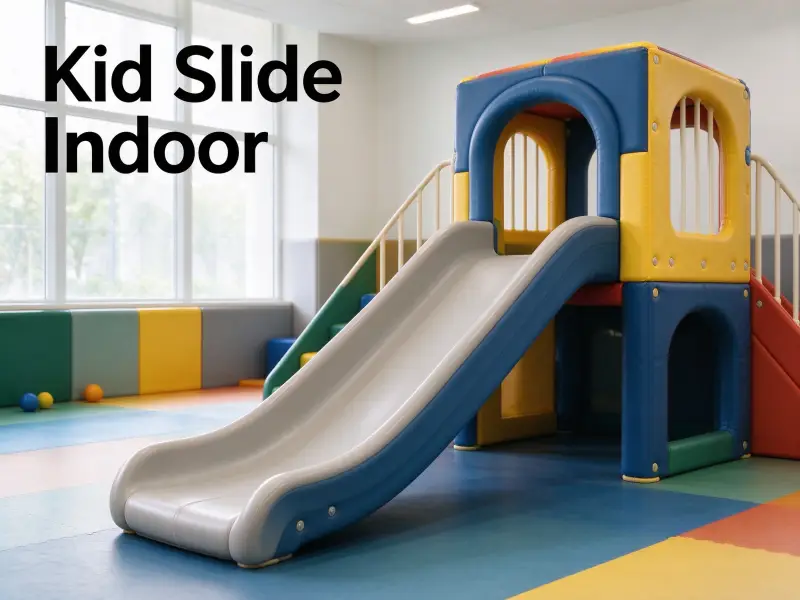
There’s a dedicated slide area, with a number of slides of different heights, speeds and configurations, from gentle slopes for the younger set to steep drops for the more adventurous. The slide zone is a stand alone attraction within the larger complex and is open to all ticket holders.
Interactive Entertainment Area
- Two Storey Laser Tag Arena with Sci-Fi Design, Mazes, Catwalks, Pulsating Music and Atmospheric Lighting Effects
- A roller disco that mixes skating with curated music programming
- Digital gaming stations and redemption machines in an arcade area
- Soft play area for children under five. Age appropriate equipment including ball pits, small slides and padded climbing frames.
The fact that they have dedicated toddler soft play areas as well as more adrenaline pumping attractions like the zip line and laser tag, shows that there is a conscious design philosophy at play: that modern mega trampoline parks have to cater for multi-generational crowds. The wide age appeal is critical to the economic model of the facility, as it allows families with children at very different age levels to gather as one group, each member finding entertainment appropriate for his or her age. Diversification also reflects wider industry trends, with children’s indoor play equipment being incorporated into facilities that previously specialised solely in trampolining.

What Is the Price to Visit the World’s Largest Trampoline Park?
Entry to the world’s largest indoor trampoline park starts at around £13.95 ($18 USD) for a Lite Pass, which includes access to core trampoline and adventure zones. A Standard Pass with the Slide Zone costs approximately £16.95 ($22 USD) and a Mega Pass, which includes three hours access, grip socks, arcade tokens and two laser tag games, costs around £34.95 ($45 USD). All toddler sessions are £5 ($6.50 USD) and are all for them.
The facility has a multi-level pricing structure that allows visitors to select the level of experience that matches their budget and interests:
| Pass Type | Approximate Cost | Included Access |
|---|---|---|
| Lite Pass | $18 / £13.95 | Core trampoline arena and adventure zones (excluding Slide Zone) |
| Standard Pass | £16.95 (~$22) | Full access to trampolines, adventure zones and Slide Zone |
| Family Pass | £15.25/person (~$20) | Standard access for groups of 4+ |
| Toddler Stay & Play | £5.00 (~$6.50) | Soft play and age appropriate activities (free adult accompanying) |
| Mega Pass | £34.95 (~$45) | Three-hour session, grip socks, five arcade tokens, unlimited attractions, two laser tag games, drink mug |
| Evening Unlimited | £9.95 (~$13) | Any activities between 4 PM and 9 PM on selected weekdays |
| Spectator Pass | £3.50 (~$4.50) | Entry without activity participation |
This pricing architecture raises a number of strategic decisions that are worth noting for prospective park operators. The entry-level price point is deliberately accessible, lowering the barrier to entry for first-time visitors and casual groups. The Standard Pass is the most popular option and the mid-tier pass that includes the Slide Zone and is a natural upsell from the Lite tier.
The Mega Pass is aimed at power users who want to spend the whole day with it, and are willing to pay a premium for bundled add-ons. The dedicated toddler pricing with free accompanying adult entry has a two-fold purpose: it fills the facility during off-peak weekday hours and builds long-term brand loyalty with families who may return for years as their children grow into new age-appropriate zones.
For comparison, independent indoor trampoline parks in the United States typically charge $15-$25 for one hour of jumping, and larger adventure parks with similar attractions charge $30-$45 for general admission. While the Leeds facility is much larger, its pricing is well within these ranges, suggesting that mega-facility operators may need to price competitively, rather than command a significant premium simply because of their size.
How Does It Compare to Other Big-Name Mega Trampoline Parks?
At over 100,000 square feet, the Leeds facility is the largest single indoor trampoline park in the world, but there are a number of other mega-sized facilities around the world that are over 40,000 square feet and provide some substantial trampoline and adventure attractions. These include a 60,000-square-foot park in Gurugram, India, a 3,700-square-meter facility in Dubai and several locations in the United States run by the world’s largest trampoline park chains.
Large indoor trampoline parks are an expanding industry and operators are pouring more and more into square footage and a variety of attractions. For context, here’s a table comparing how the record-holder stacks up against other notable facilities:
| Location | Approximate size | Key distinction |
|---|---|---|
| Leeds, UK | 100,000+ sq ft | Largest indoor trampoline park in the world; 14 attractions |
| Gurugram, India | 60,000 sq ft | India’s largest; over 100 trampolines, over 50 activities, 8,000 sq ft kids zone |
| Dubai, UAE | ~39,800 sq ft (3,700 m²) | Largest in the Middle East; 200 trampolines interconnected; 10 attractions |
| US locations (multiple) | 30,000–50,000 sq ft | Part of global chains with 300+ parks in 18+ countries |
This distribution is a reflection of some dynamics in the industry. First, the geographical spread of mega-sized parks – across the UK, India, the Middle East and North America – shows that the demand for large-scale indoor trampoline entertainment is worldwide, not confined to one market. Secondly, the huge gap between the record-holder at 100,000 sq ft and the next largest facilities at 60,000 sq ft indicates the industry could be reaching a point of bifurcation: standard parks in the 15,000-45,000 sq ft range catering to local markets and a handful of destination-grade mega-parks attracting visitors from wider regional catchment areas.
The way these massive facilities operate is looking more and more like indoor sports playground complexes, not traditional trampoline parks. With non-trampoline attractions like laser tag, ninja courses, zip lines and roller discos, the line between trampoline park and indoor adventure park starts to blur, leading to a future where this hybrid approach may define the category.

Why Super-Sized Indoor Trampoline Parks Are So Desirable?
Three converging factors have fueled the demand for super-sized indoor trampoline parks: the increasing consumer preference for spending on experiential entertainment rather than goods, the all-weather reliability of indoor facilities, and the multi-generational appeal that allows a single venue to cater to families, fitness groups, corporate events, and birthday parties at the same time.
One of the defining consumer trends of the last decade has been the move to experience-based entertainment. Research has shown over and over that millennials and Generation Z spend a larger share of their discretionary dollars on experiences – dining, travel, events, and leisure – than past generations. Indoor trampoline parks are at the intersection of several different experience categories: fitness, social gathering, family outing, and competitive play. A 100,000-square-foot venue that includes all of this under one roof takes away spending that otherwise would be divided among separate gym memberships, cinema visits and restaurant outings.
Weather independence is especially important in markets with long winters, frequent rain, or extreme summer heat. Unlike outdoor amusement parks or water parks or sports fields, indoor trampoline facilities generate steady revenue year-round regardless of external conditions. Industry data verifies this: more than 62% of commercial trampoline parks are found in urban areas with populations over 500,000 people, where the mix of high population density and limited outdoor recreational space creates steady demand for indoor options.
Mega trampoline parks are made for multiple generations and this also makes them more efficient than smaller facilities. Instead of one toddler play session or teenage birthday party or corporate team building event or individual fitness jumpers all in separate zones, you can do all that in one venue at the same time which increases revenue potential per square foot tremendously. This operational model also adds resilience: when one demographic segment underperforms in a given period, other segments can make up the shortfall.
What It Takes to Build a 100,000 Square Foot Trampoline Park
The ideal indoor trampoline park is 100,000 square feet, and suitable industrial or retail space of that size is needed. In addition, equipment investments, adherence to local safety standards and a staffing plan are necessary. Equipment investments are estimated at between $1.5 million and $4 million, depending on the complexity of the attractions. Local safety standards require impact-absorption flooring above 35 mm thickness and padded frames on all trampoline units. The staffing plan for operations, safety supervision, event coordination and maintenance would require 100 to 150 employees.
The physical requirements for a facility of this size start with real estate. Trampoline parks typically need an open-span building with ceiling heights that are generally over 20 feet and are most commonly found in former warehouse, distribution center, or big-box retail spaces and range in size from 10,000 to 100,000 square feet. The costs associated with the build-out to convert such spaces are substantial: reinforced flooring to support the trampoline infrastructure, HVAC systems sized for high-occupancy active use, specialized lighting and sound systems, and the installation of safety surfacing in all non-trampoline zones.
There are a number of specialized categories when buying equipment for a trampoline mega park:
| Equipment Category | Key Components | Considerations |
|---|---|---|
| Trampoline systems | Interconnected beds, springs, frames, padding | Must meet ASTM or EN safety standards; Interconnectivity adds engineering complexity |
| Safety surfacing | Impact-absorption flooring, foam pits, padded walls | Minimum 35 mm thickness on all landing zones; foam pit depth and density specifications |
| Adventure Structures | Ninja Courses, Climbing Walls, Obstacle Courses | Multi-level structures require engineering certification; fall protection systems |
| Ancillary attractions | Laser tag systems, zip lines, slides, roller disco | Each will require specialist suppliers and separate safety compliance documentation |
| Facility infrastructure | Ancillary spaces such as lockers, cafe equipment, spectator seating and party rooms | Generate revenue and increase per visitor spend |
Staffing needs are an ongoing operating expense that grows with the size of the facility. A typical trampoline park (100,000 square feet in size) will require:
- Court monitors in each activity zone during operating hours (typically 30-50 staff per shift)
- Safety personnel First Aid trained
- Event planners for corporate events and birthday parties
- Front desk and retail Staff, Cafe
- Maintenance technicians for daily inspection and repair of equipment.
- Management and administrative staff
Following regulatory trends and insurance requirements, more than 85% of the commercial trampoline parks worldwide have already adopted padded frames and impact-absorption flooring with a thickness rating above 35 mm, according to industry data. These safety investments are correspondingly larger for a record-breaking size facility and are a critical upfront cost that directly impacts long-term liability exposure.
Conclusions
Not only is this an amazing fact but the world’s largest indoor trampoline park can be found in Leeds, United Kingdom and covers over 100,000 square feet. It’s the most visible sign of a larger transformation in the industry, the evolution of trampoline parks from single-activity bounce arenas to multi-attraction indoor entertainment venues that draw families, fitness buffs and event planners, all under one roof.
The facility’s rapid commercial success – 120,000 visitors in its first three months – validates the business thesis that there is consumer demand for destination-grade indoor recreation venues. The combination of trampolines with ninja courses, laser tag, zip lines, slides and soft play creates a model that maximises revenue per square foot, increases average visit duration and has appeal across age groups.
The key lessons from the world’s largest indoor trampoline park for operators, investors and equipment buyers assessing opportunities in the sector are clear: size is not the differentiator – it is the diversity and quality of attractions within that footprint that drives visitor numbers and repeat business. The successful facilities in an increasingly competitive market are those who understand a trampoline park is no longer just about trampolines.
Frequently Asked Questions
Is the world’s largest indoor trampoline park good for young children?
Yes, the facility has a dedicated soft play area for children under the age of five with age-appropriate activities such as mini slides and ball pits. We have dedicated “Stay & Play” toddler sessions during weekday mornings at reduced prices and in a quieter environment. In high-impact areas, zones with height restrictions separate younger children from the older, more active jumpers. Parents should check the guidelines for each attraction on the facility’s website for age and height before visiting a facility.
How long do people usually stay at a mega trampoline park?
Most guests at large-scale trampoline parks will spend between 90 minutes and three hours there, depending on the ticket tier, and the age and energy levels of the group. A Standard Pass session usually includes one hour of trampolining and access to the adventure facilities, although many guests stay on for longer in the cafe, arcade and spectator areas. The Mega Pass option gives you three hours and is best for groups who want to experience the full range of attractions without rushing. For families with young children, 60 to 90 minutes is usually enough before fatigue sets in.
Mega trampoline parks are they replacing traditional family entertainment centers?
Mega trampoline parks are not replacing traditional family entertainment centers like bowling alleys, arcades and soft play centers, but they are increasingly competing for the same consumer dollars. These facilities are a one-stop entertainment destination, combining trampolines with ninja courses, laser tag, climbing walls and slides under one roof, which can cater to a range of preferences within a single family group. The market data supports continued coexistence. The global trampoline park segment is projected to grow at over 15% annually through 2034 while traditional family entertainment center categories continue to expand at more moderate rates. This suggests that trampoline parks are growing the total addressable market rather than simply cannibalizing existing categories.