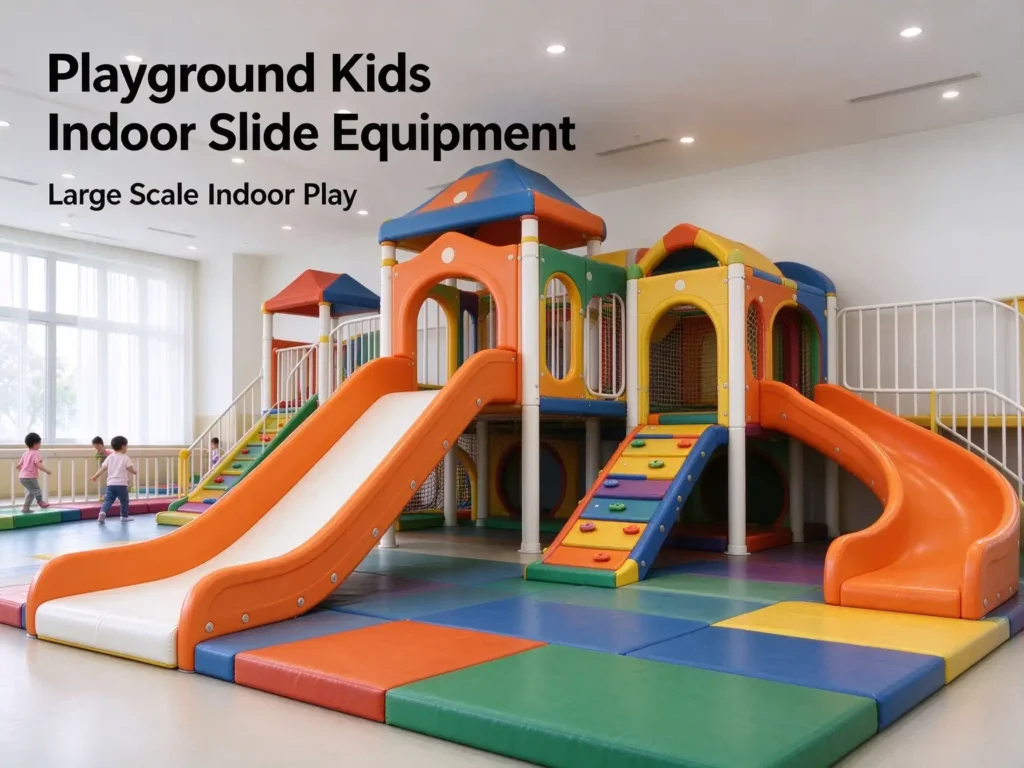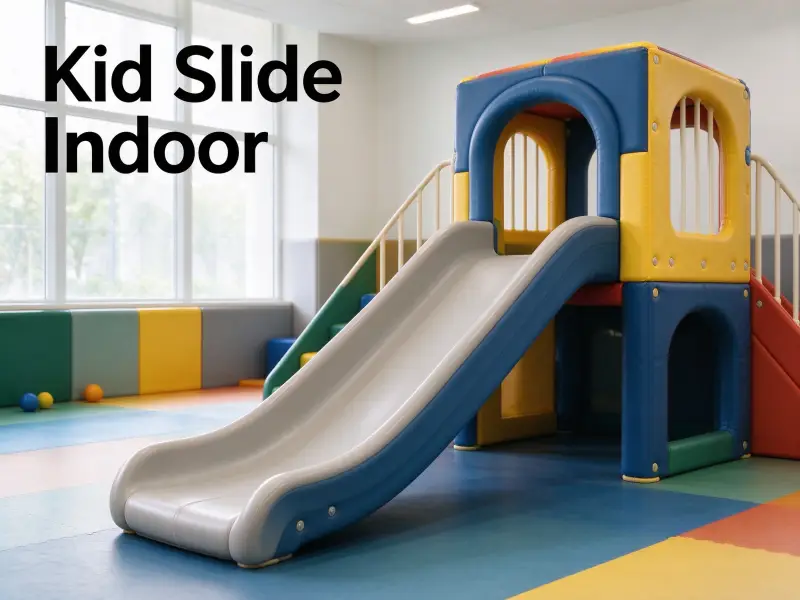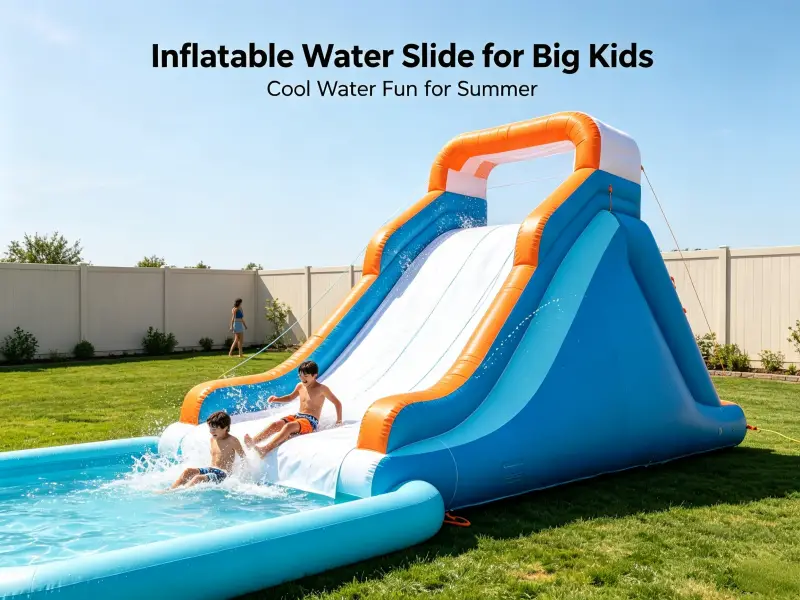
Parks, schools, daycare centers, and family entertainment venues all rely on play spaces to draw families and support child development. Before any of that happens, someone has to answer a basic question: what will the equipment actually cost? Prices swing widely because a backyard swing set and a 10,000-square-foot indoor play center are not the same product, and they are not built to the same standard.
A typical outdoor playground equipment package costs $15,000 to $150,000, while a small indoor or backyard play area can start near $2,000. The final number depends on size, materials, safety surfacing, shipping distance, and whether you install it yourself or hire a crew.
The sections below break down real 2026 price ranges, the factors that affect them, and how to plan a purchase that fits your budget while keeping safety a priority.

How much does a commercial playground cost?
Most commercial playground projects land between $15,000 and $150,000, with large themed installations exceeding $500,000 once you add custom structures and theming.
Commercial buyers pay more than homeowners because the equipment must meet public safety standards, hold up under heavy daily use, and carry certifications. A small church or daycare play area sits at the low end, while a municipal park or a regional family entertainment center sits at the high end. The table shows where most projects fall.
| Project type | Equipment cost range | Typical buyers |
| Backyard or home play set | $2,000 – $10,000 | Homeowners |
| Small daycare or church indoor area | $8,000 – $30,000 | Daycares, churches |
| School or public park playground | $30,000 – $100,000 | Schools, parks, HOAs |
| Large commercial indoor play center | $100,000 – $500,000+ | FEC operators, malls |
Indoor versus outdoor cost
Indoor playground equipment skips weatherproofing and UV-stable coatings, which trims material cost, but it needs padded floors, fire-rated foams, and tighter spacing rules. Outdoor commercial playground equipment needs galvanized or powder-coated steel and rot-resistant plastics, which raise the base price. Both must meet the same fall height and entrapment rules, so certification cost stays similar.
Why quotes vary so much
Two buyers with the same budget can get very different proposals. One might get a modular stock layout; the other might get a fully themed castle with custom climbers. Labor rates in your region and freight cost from the factory explain most of the rest.
Cost per child served
A useful way to compare quotes is cost per child served per hour rather than sticker price alone. A $50,000 structure that holds 40 children delivers better value than a $30,000 one that holds 15, when both serve the same audience. Operators should weigh throughput, because a busier floor earns back its cost faster and justifies a higher starting budget.
How much does it cost to build a playground?
Building a full playground usually runs $50,000 to $250,000 once you add surfacing, shipping, and labor on top of the equipment itself.
Equipment is only part of the bill. A real build includes safety surfacing, site preparation, installation, freight, and design or permit fees. The share of each component changes with project size, but the pattern below holds for most commercial jobs.
| Cost component | Share of total budget | What it covers |
| Playground equipment | 40% – 55% | Structures, slides, climbers, spinners |
| Safety surfacing | 15% – 25% | Rubber tile, poured PU, or engineered wood fiber |
| Site prep and installation | 15% – 25% | Ground leveling, concrete, labor |
| Shipping and freight | 5% – 10% | Factory to site, often from overseas |
| Design, permits, and inspection | 3% – 8% | Layout, engineering stamps, certifications |
A small indoor center can keep build costs low by using existing floors and a turnkey kit. A ground-up outdoor park pays more for excavation and drainage. Either way, set aside at least 10% of the budget as a contingency for surprises during install.
Labor and permit costs shift the total by 10% to 30% depending on region. Urban sites with strict zoning add design and inspection fees that rural sites avoid, while remote sites pay more for freight because trucks travel farther. Build these swings into your model before you compare vendor quotes, or the lowest equipment price may still produce the highest final invoice.

What factors drive playground equipment prices?
Material grade, play capacity, certification level, and customization decide most of the price you are quoted.
Three variables move the number more than anything else. Understanding them helps you cut cost where it does not hurt and spend where it matters.
Material and safety standards
Powder-coated steel, rotationally molded plastics, and high-density foams cost more than thin stamped metal or low-grade resin, but they last years longer outdoors. Certified materials also pass ASTM and EN1176 testing, which many public buyers require by law. Cheap uncertified parts may look similar in a photo and fail inspection on site.
Size and play capacity
Capacity drives cost almost linearly. A structure built for 20 children uses a fraction of the steel and decking of one built for 200. If your goal is throughput, a taller multi-level design packs more play value per square foot than a wide single-level layout.
Customization and theme
Stock modular parts are the cheapest. Asking for a custom climber, a branded color scheme, or a themed roof increases fabrication time. Themed indoor centers often spend 20% to 40% more than a comparable stock build, but they also command higher entry fees and repeat visits.
Lead time is a quiet cost driver that quotes rarely show. A stock order may ship in four weeks, while a custom-themed build can take three to five months from design sign-off to delivery. If your opening date is fixed, a long lead time can force air freight or a rushed install, both of which add cost. Ask for a written production and shipping schedule before you compare proposals, not after you have signed.
What are the common playground equipment names?
Core pieces include slides, swings, climbers, spinners, and balance structures, and each comes in sizes for different age groups.
Buyers new to the category hear dozens of product names. The list below covers the parts you will see on most quotes, with a plain description of each.
- Slides: the most common exit feature, ranging from short toddler waves to tall spiral tubes.
- Swings: belt, bucket, and inclusive adaptive seats for mixed-age use.
- Climbers: net towers, rock walls, and stair climbs that build upper-body strength.
- Spinners: rotating decks and bowl seats that train balance and vestibular sense.
- Balance beams and bridges: low features for younger children learning coordination.
- Spring riders: single-user animal or vehicle shapes mounted on a steel spring.
- See-saws and ramps: classic motion pieces still found in many public parks.
Among these, powered options such as electric amusement rides add revenue-generating motion, and simple spinners still punch above their price in play value.
Which playground equipment spins, and why does it matter?
Spinners such as merry-go-rounds, bowl spinners, and rotating climbing rings build balance and draw crowds, and they are among the lowest-cost high-engagement pieces you can buy.
Spinning equipment is popular in both outdoor parks and indoor centers because it serves a wide age range and needs little footprint. A single bowl spinner can keep six children engaged at once, which makes it a strong value per child. For indoor venues, enclosed spinners with padded surrounds cut the supervision load.
Spinners also fit tight budgets. A quality standalone spinner costs a few hundred to a few thousand dollars, far less than a full multi-level structure, yet it often becomes the busiest spot on the floor. That is why operators adding one or two pieces first usually start with a spinner.

What playground equipment works best for kids?
For children aged 2 to 12, soft modular play structures with age-zoned slides, climbers, and quiet corners work best and keep supervision manageable.
Younger children need low platforms, short slides, and soft landings. Older children want height, challenge, and social play. The strongest layouts separate these zones, and many centers add a trampoline park area for active play so toddlers and tweens are not on the same deck.
For indoor venues, soft-contained play (SCP) systems wrap the structure in padded surrounds and netting, which removes hard edges and limits fall height. That design is why most indoor centers choose it over exposed steel frames. Outdoor sites can use the same zoning logic with divided age areas and shade.
Inclusive design adds transfer stations and ground-level activities so children with mobility aids can join the play. This raises cost slightly but widens your audience and may qualify the project for public grants or school funding. Planning for inclusion early is cheaper than retrofitting a finished structure later.
How to choose a reliable playground equipment company?
Choose a manufacturer with third-party safety certifications, in-house design, and a track record of completed installations rather than a trader that only resells stock parts.
The cheapest quote often comes from a middleman with no factory. You trade price for accountability. A direct manufacturer controls material quality, can revise a design mid-project, and stands behind the install. Many playground equipment companies resell stock parts from a factory they have never visited, which makes warranty claims slow and redesign impossible. Check these points before you sign.
- Certifications: Ask for ASTM, EN1176, or ISO documents, not just a logo on a brochure.
- In-house design: 3D layout renders should be free or low-cost before you commit.
- Reference installs: request photos or site visits of similar completed projects.
- Warranty and spare parts: confirm lead times for replacement parts after year one.
- Factory audit: for large orders, a video tour or third-party inspection protects you.
JQK designs and builds indoor playground equipment with certified materials, offers 3D custom layouts, and ships turnkey kits to operators worldwide. Our modular systems cut install time and let you expand later without replacing the core structure. If you are planning a project, our Contact Us team can review your space and return a priced layout within a few working days.
Working with a factory-direct partner like JQK also means fewer handoffs between designer, builder, and shipper, which lowers the chance of a delay that pushes your opening date. We keep spare-part inventories for common components, so a worn panel or broken spring rider can be replaced fast instead of waiting months for a trader to source it. For new operators, that reliability is often worth more than a small saving on the first invoice.
Before you request a quote, pull together a rough room dimension, your target age group, and a budget ceiling. Suppliers price faster and more accurately when they receive a floor plan and a headcount goal instead of a vague request for pricing. A short discovery call also surfaces hidden constraints such as ceiling height, pillar locations, and fire-exit rules that change the design more than the equipment choice does.
How can you control your playground equipment budget?
Set scope before you price, choose modular systems you can expand later, and buy direct from the manufacturer to remove reseller markup.
Cost control is mostly discipline, not sacrifice. The steps below keep quality high while trimming waste.
- Fix the age group and capacity first so you do not overbuild.
- Use modular stock components for the base and reserve custom work for hero pieces.
- Buy factory-direct to avoid trader margins on commercial playground equipment.
- Phase the build: open with a core structure and add spinners and themed parts in season two.
- Reuse existing floors and walls for indoor sites to skip site-prep costs.
- Get written freight and install quotes, since those hidden lines break budgets most often.
Planning well ahead also lets you order in the off-season, when factories have more capacity and lead times drop. A few months of lead time can shave real money off the final invoice.
A clear budget starts with a clear scope. Knowing your users, your space, and your must-have pieces allows you to plan around the equipment cost instead of being surprised by it. JQK helps operators move from a blank room to a priced plan quickly, so you can commit with confidence.
FAQ
How long does playground equipment last?
Commercial-grade steel and UV-stable plastics typically last 10 to 15 years with routine checks, while padded indoor foams may need panel replacement every 3 to 5 years depending on traffic. Regular inspection extends both.
Do I need professional installation?
For public or large structures, yes. Certified installers confirm that fall heights, anchoring, and surfacing meet code, which protects you legally and physically. You can self-install small backyard sets if you follow the manual exactly.
Can I finance a commercial playground?
Most manufacturers and some lenders offer lease-to-own or staged payment plans for orders above a threshold. Financing allows a center to open and earn before paying the full cost, which suits new family entertainment venues.