Communities across the country keep asking the same question: how do we give our kids a safe place to play when the budget barely covers basics? A new play space is one of the few projects that touches every family in a neighborhood, yet the upfront cost of structural equipment often pushes the idea to the bottom of the to-do list.
Raising money for playground equipment works best when you treat it as one campaign with several income streams rather than a single event. The groups that succeed usually combine playground grants, local fundraisers, business sponsorships, and online crowdfunding, then tie every dollar to a clear list of what they want to build. A focused plan also tells donors exactly where their money goes, which makes people far more willing to give.
Before you price anything, it helps to map your site against the types of outdoor playground equipment your users actually need. The sections below walk through each funding route, the work it takes, and how to choose equipment that makes a limited budget serve more children.

Start with a clear budget and equipment list
A written budget and a specific list of playground equipment names keep your fundraising focused and make both sponsors and grant reviewers take your project seriously. You cannot ask for money well until you know the number you need and what it buys.
Most stalled playground fundraisers skip this step. They announce a goal, open a donation page, and then realize nobody agreed on what the space should include. Donors sense that vagueness immediately. A simple one-page plan fixes it: list the structures you want, group them by zone, and attach a target cost to each.
A basic way to organize the list is by play type. Different structures serve different ages and energy levels, and naming them early helps later when you write grant narratives or sponsor proposals.
| Play zone | Example structures | Why it matters |
| Active play | Slides, climbs, swings | Builds strength and burns energy |
| Spinning and motion | Carousels, spinners | Popular with a wide age range |
| Social and creative | Playhouses, sand areas | Encourages cooperative play |
| Quiet rest | Benches, shade, paths | Gives caregivers a place to stay |
Once the list exists, assign each item a rough cost band rather than a precise quote. You can refine numbers after you talk to suppliers. The point of this step is direction, not perfection.
When the list is ready, the next move is to match it against funding sources. A clear plan also shortens every later conversation, because you can hand a sponsor or reviewer the same document you used to set your own target.
Apply for playground grants from government and nonprofits
Playground grants from federal, state, and private foundations can cover a large share of your costs if you meet the eligibility rules and submit a complete application on time. Grants are the hardest funding to win, but they also ask for no repayment and no event labor.
Public money is usually routed through agencies that post open opportunities. In the United States, Grants.gov is the federal portal where agencies list community and recreation programs, and your state recreation department often runs its own smaller grant cycles. Private nonprofits fill the gaps: the National Recreation and Park Association and playground-focused groups such as KaBOOM! have run long-standing programs that help communities build or rebuild play spaces.
For groups still wondering how to get funding for a playground, grants are the first stop because they ask for nothing back. The trade-off is paperwork and patience. Reviewers look for a few things consistently. They want a clear need, which means photos or usage data from the current site. They want community support, shown through letters or pledged volunteer hours. They want a realistic budget that names specific items. And they want a maintenance plan, because funders dislike paying for equipment that will rot in five years.
The most common mistake is treating the application like a form to finish. It is closer to a short proposal. Start early, answer every question in plain language, and have a second reader check that the need actually comes through. A vague application rarely wins, no matter how worthy the cause.

Run a community playground fundraiser
A well-planned playground fundraiser flyer and a calendar of small events turn neighbors into regular donors and build the local momentum that bigger gifts depend on. Events also give people a reason to talk about the project in person, which online posts alone rarely achieve.
The strongest fundraisers share a simple shape. They have one clear ask, a date people can put on the calendar, and a visible progress marker such as a thermometer board. A fun run, a bake sale, a car wash, and a silent auction can each raise meaningful sums, and stacking two or three across a season keeps energy high without burning out volunteers.
Your playground fundraiser flyer should do one job: tell a stranger in ten seconds what you need, when the event is, and where to show up. Put the date, time, and location at the top. Add one line about why the playground matters to local kids. List a QR code or link for people who cannot attend but still want to give. Print it at schools, libraries, and grocery boards, and post the same version in local social groups.
Volunteers make or break these events. Assign one person to each task: setup, money handling, photos, and thank-you notes. A small team with clear roles raises more than a large crowd that is unsure who is in charge. After the event, publish the total raised and name the contributors, because visible results bring the next donor in faster.
Partner with local businesses and sponsors
Local companies will often sponsor equipment in exchange for visible recognition, which gives you a reliable chunk of funding without running a single event. For a business, a playground sponsorship is both community goodwill and steady local visibility, so the pitch writes itself if you frame it right.
Start with companies that already serve families: pediatric clinics, grocery stores, gyms, restaurants, and home-service businesses. Approach them with a specific ask, such as sponsoring one structure, and show what they receive in return. Recognition can be a plaque, a named bench, a logo on the fundraiser flyer, or a thank-you post that tags the business.
A simple sponsorship tier table helps companies choose a level quickly.
| Tier | Typical commitment | Recognition offered |
| Friend | Small fixed gift | Name on donor wall |
| Partner | Sponsors one structure | Plaque plus social mention |
| Champion | Funds a full zone | Named area and launch invite |
Keep the promise realistic. If you say the logo goes on the fence, put it on the fence. Sponsors talk to each other, and a community that honors its commitments finds the next round of funding much easier. One local champion who funds a full zone can replace several fundraiser Saturdays, so do not save the biggest ask for last.
Use crowdfunding to reach a wider audience
Online crowdfunding extends your reach beyond the neighborhood and lets distant family, former residents, and alumni contribute to the same goal from anywhere. It pairs well with grants and events because it captures the people who care but cannot attend.
Pick one platform and stay on it. A single clear page outperforms several scattered ones. The page should open with a short story: who the playground serves, what is wrong with the current site, and what the money builds. A short video of kids using the existing space beats a wall of text, and a concrete target such as a set amount for one new spinner feels more real than a vague total.
Momentum matters more than the launch. Post a progress update every time you cross a milestone, thank donors by name when they agree, and ask a few supporters to share the link on the days you post. Some employers match employee gifts, so include a line reminding donors to check with their HR team.
Crowdfunding rarely funds the whole project alone. Its real value is widening the donor base and proving community demand, which strengthens your grant and sponsorship asks at the same time. A campaign that shows three hundred small donors is strong evidence that the playground matters.

Raise money for a school playground through PTA campaigns
How to raise money for a school playground? The fastest path usually runs through the PTA, classroom challenges, and events that pull students in directly, because schools already have a built-in audience that cares.
The PTA can adopt the playground as its year-long priority and fold small asks into events it already runs. A spirit night at a local restaurant, a coin drive in classrooms, or a read-a-thon where pledges fund reading minutes all turn normal school life into steady income. These work because they ask for small amounts from many families rather than a few large gifts.
Getting students involved changes the tone. When kids make the posters, count the coins, or present the goal at assembly, parents feel the project belongs to the whole school. That ownership converts into donations and volunteer hours that a flyer alone never would.
One caution: keep school fundraising compliant. Check district rules on solicitation and on which vendors you may use, and keep every receipt. Clean records protect the PTA and make the final equipment purchase smooth. A well-documented campaign also looks better to any outside grant reviewer who asks how the school handles money.
Choose the right equipment to stretch your budget
Picking durable, multi-use playground equipment for kids lowers replacement costs and lets a smaller budget serve more children across a wider age range. The cheapest structure is not always the cheapest over ten years.
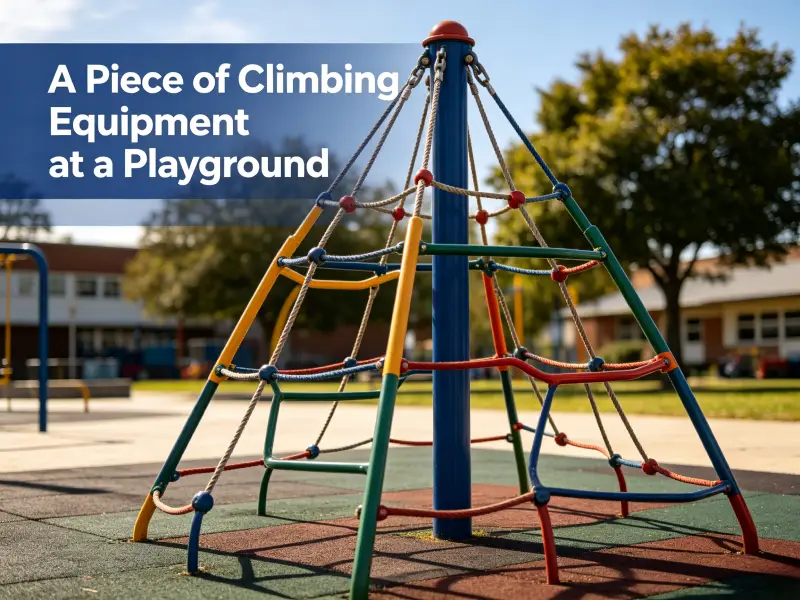
Material choice drives long-term cost. Powder-coated steel and roto-molded plastic stand up to weather and heavy use better than thin alternatives, and modular systems let you add pieces later as funds arrive. Multi-use units that combine climbing, sliding, and seating in one footprint give more play per square meter than several single-purpose items.
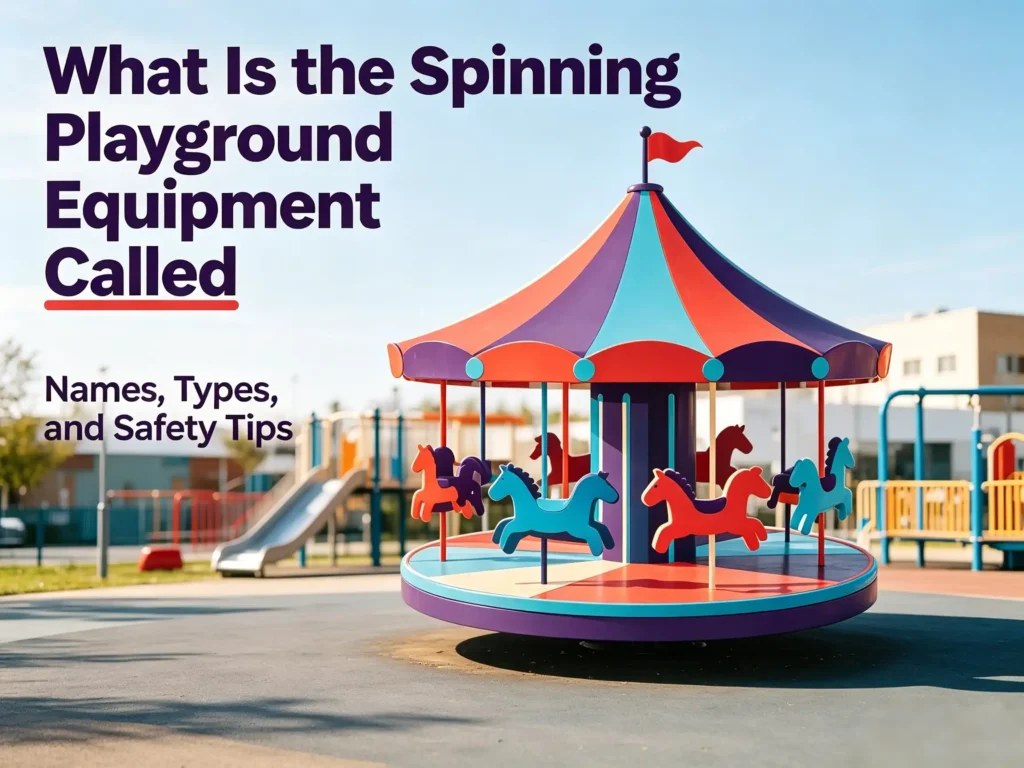
Motion is a big draw. Playground equipment that spins, such as carousels and bowl spinners, stays popular from early childhood through the pre-teen years, so a single spinner can serve a wide crowd. For sites that want higher-energy attractions, electric amusement rides extend the play value and work well for paid community events that raise ongoing funds.
Safety standards should guide every choice. Look for equipment built to recognized playground safety benchmarks and rated for the age groups you serve. Certified products cost a bit more up front and save you from liability and rebuild costs later. When the budget is tight, spend it on fewer, better-built pieces rather than many that will not last.
Work with a manufacturer that supports your project
Partnering with an experienced supplier among playground equipment companies gives you custom designs, certified safety, and factory-direct pricing that protect your budget from the first quote to the final install. The right partner becomes part of your funding story, not just a vendor.
A full-service manufacturer can take your zone list and return a layout that fits your space and your grant narrative. JQK, for example, builds custom outdoor and indoor play structures and backs them with safety certifications and one-stop service from design through shipping. That kind of support matters when a grant reviewer asks how the space will stay safe and usable for years.
The product range also helps you match equipment to the money you actually have. Classic outdoor playground equipment covers the structures most communities need, while a trampoline park setup suits indoor or weather-protected sites that can host paid open sessions to keep fundraising going.
Before you commit, ask for references, confirm the certifications, and get the total delivered price in writing. Then contact us to discuss a layout sized to your budget and your timeline. A short call early often prevents an expensive change order later, and it provides your grant writer real numbers to put in the budget section.
FAQ
How long does it usually take to raise money for a playground?
Most community playgrounds take twelve to twenty-four months from first meeting to opening day. Grants alone can take six to nine months to award, and stacked fundraisers run across one or two seasons. Starting with a clear budget shortens the planning phase even if the total timeline stays necessary.
Can a small community with limited volunteers still fund a playground?
Yes, but the balance changes. A small team should lean on grants and a few business sponsorships rather than many events, because those need less labor. One strong sponsor or one well-written grant can replace several fundraiser Saturdays, so focus effort where each hour returns the most money.
What should I prepare before applying for a playground grant?
Gather photos of the current site, a written equipment list with cost bands, letters of community support, and a simple maintenance plan. Reviewers weigh these four items heavily, and having them ready before the window opens is the difference between a rushed application and a competitive one.