
A large share of electric kiddie amusement rides running in shopping malls, community parks and family entertainment centres were manufactured according to older electrical and mechanical safety standards. When venues replace worn‑out units or add new attractions, buyers have to comprehensively assess electrical component stability, mechanical load‑bearing capacity, emergency‑stop functionality and regional certification rules. Capital budgets for amusement equipment follow fixed local project timelines which venue operators cannot alter at will. Tourism‑focused venue improvement funds across multiple regions regularly open application rounds for family‑oriented facility upgrades, and electric amusement rides consistently sit among top procurement priorities.
Regional tourism development funds have allocated more than $18.6 million for family attraction renovation projects. These grants support 37 public and commercial recreation renovation initiatives, with electric amusement rides featured heavily on procurement lists. Grant awards are competitive. Instead of a uniform 50/50 reimbursement rule, most programmes implement tiered cost‑match ratios linked to public community benefits. All submissions are reviewed and graded via an official 11‑point evaluation criteria document.
This overview tracks the complete project lifecycle: defining project scope, vetting qualified ride manufacturers, sorting out compliance obligations, mitigating on‑site installation hazards, and moving through final acceptance to grant closure.
What Expenses Qualify Within Electric Amusement Ride Project Budgets
Grant‑eligible projects are sorted by site type and expected visitor volume: 7 large‑scale public recreation destinations, 16 mixed public‑commercial venues, 10 small‑town community family zones, plus 4 fully‑indoor Family Entertainment Center renovation projects.
Project capital originates from tourism tax proceeds, local economic development appropriations and special recreation improvement funds. Two mandatory ground rules apply to every funded initiative. First, completed sites must guarantee fixed public‑access hours for family visitors. Second, key amusement installations are required to stay in active operation for a set minimum service period upon project completion.
Sample Approved Electric Amusement Ride Project Entries
| Venue Name | Project Classification | Approved Grant Amount | Project Scope for Electric Amusement Rides |
|---|---|---|---|
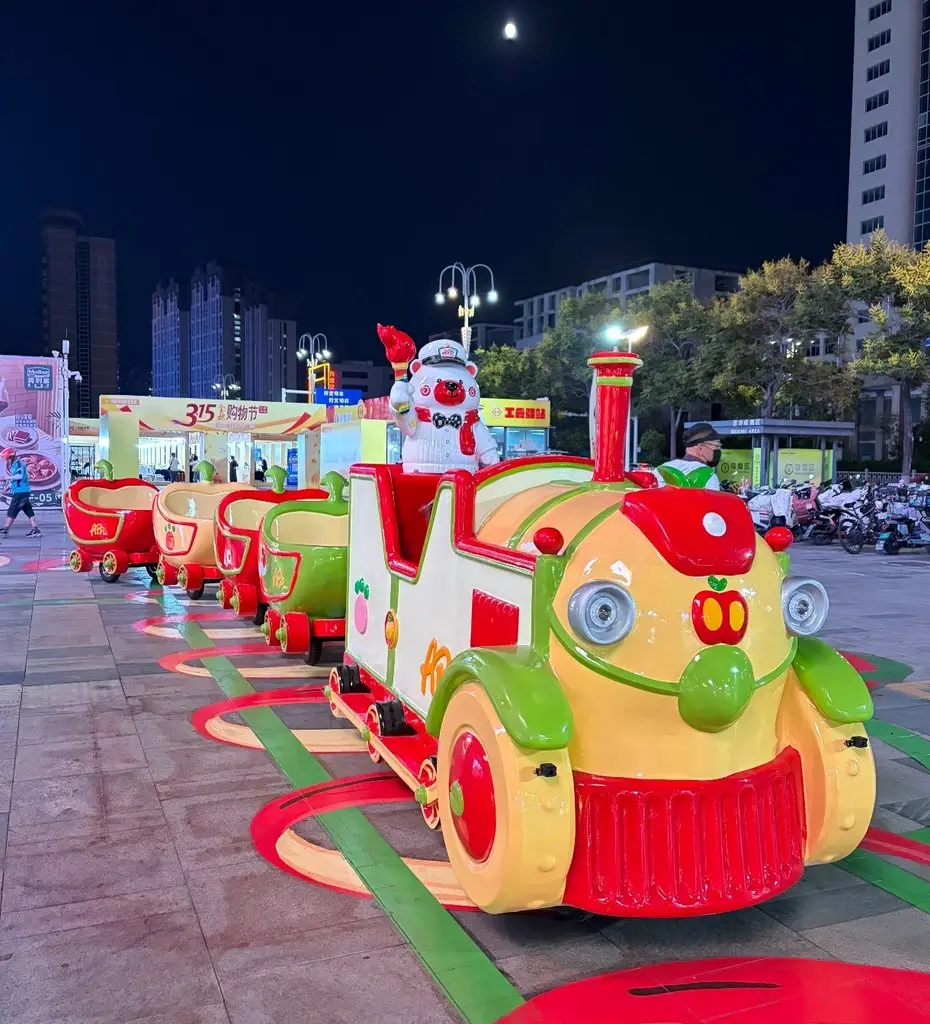
| Sunlake Family Recreation Spot | Mixed‑Use Commercial‑Public | $418,450 | Battery‑driven trackless amusement trains, children’s spinning electric rides, safety interlock system upgrade, dedicated power distribution cabinet installation, on‑site hazard‑zone labelling |
| Westside Town Community Hub | Small‑Town Community Zone | $134,200 | Compact coin‑operated kiddie electric rides, perimeter safety protective fencing, anti‑slip ground finishing, dismantling and disposal of defective end‑of‑life legacy rides |
| Metro‑Point Indoor FEC | Indoor Family Entertainment Center | $642,700 | Multi‑seat carousel‑style electric ride, bumper‑car system retrofitting, fire‑rated cable replacement, operator training program and safety manual compilation |
| Pine Creek Community Plaza | Small‑Town Community Zone | $121,800 | Low‑speed mini electric ride fleet, safety barrier installation, local power‑supply modification, removal of outdated amusement hardware |
The table demonstrates typical deliverables that pass official review. Nearly every winning budget accounts for auxiliary infrastructure: power upgrades, safety enclosures and old‑equipment demolition work. Approved award values reflect real‑world project scope rather than conceptual ambitions. Working out realistic pricing for electric amusement rides before drafting formal application paperwork largely determines whether a proposal fits under funding limits.
Who May Apply for Electric‑Amusement‑Ride Capital Project Funding
Qualified applicants consist of municipal recreation authorities, formal commercial venue operators, authorised non‑profit leisure agencies and special economic‑development districts managing publicly accessible entertainment premises. Pure for‑profit private retail entities without public‑access commitments are not eligible to submit direct applications, even with well‑designed project concepts.
All proposals must be entered through the official online grant portal; hard‑copy paper submissions are rejected outright. Fully completed applications receive scores under the published priority assessment framework. The regional capital‑projects commission holds full authority over final funding decisions. Applicants must demonstrate complete legal control over project real estate, whether through outright property ownership, formal land acquisition or a valid long‑term commercial lease.
Grant Award Ceilings Grouped by Estimated Annual Visitor Volume
| Project Category | Estimated Annual Visitor Volume | Maximum Approved Grant Award |
|---|---|---|
| Large Destination Recreation Venue | 800,000 and above | $1,800,000 |
| Mid‑Size Mixed‑Use Venue | 100,000‑800,000 | $750,000 |
| Small‑Town Community Family Zone | Below 100,000 | $150,000 |
| Indoor Family Entertainment Center | Any visitor volume | $1,600,000 |
For a small‑town community zone hitting the $150,000 grant cap, the total allowable project budget expands once mandatory local matching funds are added. Operators need to plan for the full combined budget instead of only counting grant money when selecting ride models and supporting facilities.
Private Operators, Non‑profits and Joint‑Use Premises
Private businesses cannot file standalone applications. Still, amusement equipment housed on commercial‑private joint‑use sites can qualify for support. The property must satisfy all lease requirements; attractions should not serve exclusive private business needs. Lease documents need to specify public opening schedules, boundary descriptions and clear entry‑exit routes with a long‑term non‑revocable term.
Non‑profit organisations also lack direct application rights, yet they can contribute part of the local cost‑match contribution. The scoring rubric awards extra points for formal cross‑party partnerships proving community backing beyond minimal required matching funds.
How Tiered Matching‑Fund Requirements Shape Amusement‑Ride Project Budgets
Grant programmes reimburse a set percentage of eligible project expenditures. Local matching funds must already be committed at application time, not secured after an award is granted. Venues do not receive advance lump‑sum payments. Sponsors commit matching capital, carry out construction, settle supplier invoices, and then apply for reimbursement afterwards.
Reimbursement structures mean project sponsors must manage cash flow independently. For a mid‑size project supported by a $750,000 grant, substantial operating capital has to be reserved. Venues that treat grant awards as immediate operating capital often encounter funding gaps at the first payment‑application stage, which may push back construction timelines and cause previously quoted equipment prices to expire.
Back‑Calculating Total Project Budget Against Grant Caps
| Maximum Grant Award | Total Eligible Project Expense | Required Local Matching Share |
|---|---|---|
| $150,000 | $300,000 | $150,000 |
| $750,000 | $1,500,000 | $750,000 |
| $1,800,000 | $3,600,000 | $1,800,000 |
If a community secures committed local funds worth $120,000, it can support a total project value of $240,000, covering rides, safety barriers, electrical rework and installation labour. Committed local capital of $60,000 corresponds to a total project scope of $120,000.
Acceptable Sources for Local Matching Contributions
Matching funds are not limited to general‑fund cash. Accepted resources frequently include municipal bonds, economic‑development corporation allocations, in‑house staff labour and machinery, donated land or cash, plus awards from separate community programmes. Every funding source undergoes individual case review. Applicants should confirm match‑source validity with grant administrators prior to submission.
What Electric‑Ride Project Grants Can and Cannot Cover
Grant money may cover brand‑new ride procurement, facility renovation, old‑unit demolition, site ground preparation, engineering drawings, permit fees and professional installation supervision. Routine part replacement, regular preventive maintenance and off‑site work do not qualify for reimbursement.
Routine Repair versus Qualifying Renovation
Reviewers draw a clear dividing line here, and misclassification ranks among the top reasons for project ineligibility. Repair fixes isolated broken or worn‑down components. Renovation delivers a fully updated attraction installation meeting current industry safety codes, comparable to brand‑new facilities.
Swapping out a single defective seat, replacing worn wiring segments or tightening loose fasteners counts as routine repair and receives no grant support. Completely overhauling an amusement zone — installing new certified electric rides, upgrading power distribution, fitting compliant safety barriers and reworking visitor circulation routes — counts as qualifying renovation, including demolition of outdated existing hardware.
Critical Budget Line‑Items That Determine Project Success
Amusement‑ride hardware represents merely one line within a full‑project budget that evaluators examine holistically:
Site power‑supply upgrade: Electrical capacity must satisfy peak load of all running rides; circuit protection and emergency cut‑off systems must conform to local electrical codes.
Visitor‑access pathways: Firm, stable, non‑slip walkways connecting parking zones, entry points and individual ride stations.
Operator safety zones: Physical separation between ride moving ranges and spectator zones to prevent accidental contact. Though not legally mandatory for every unit, these zones are widely included in approved projects to reduce on‑site accident risks.
Auxiliary site amenities: Crowd‑control gates, waiting‑area benches, safety signage, first‑aid stations and lighting systems.
A vague proposal only listing ride model names and lump‑sum prices opens doors for unplanned substitutions. A thorough submission defines ride functions, target‑user age brackets and safety‑component specifications, giving reviewers concrete reference points for scoring. This detailed‑specification approach also helps purchasers compare vendors based on system performance instead of only headline unit prices.
How Grant Administrators Score Electric Amusement Ride Applications
Every complete submission gets evaluated using an 11‑point priority‑scoring framework totalling 100 points. Project recommendations are sorted by final composite score. High‑weight evaluation blocks include project goals, site engineering design, past‑grant compliance history, documented community demand, underserved‑population access, risk‑mitigation design and sustainable operation planning, each weighted up to 10 points.
| Criterion | Points | Key Scoring Factors |
|---|---|---|
| Project goals & objectives | 10 | Quantifiable deliverables aligned with regional recreation development strategies |
| Timeline & budget realism | 5 | Practical construction timeline and internally consistent cost breakdown |
| Site engineering design | 10 | Clear layout drawings plus reasonable cost‑efficiency |
| Organisational management capacity | 5 | In‑house staffing to manage grant execution and long‑term equipment upkeep |
| Past project compliance | 10 | Good track record on previously awarded recreation grants |
| Documented community need | 10 | Completed community needs assessment and existing recreation master plan |
| Geographic service coverage | 5 | Serving neighbourhoods with limited existing amusement‑attraction resources |
| Underserved‑population access | 10 | Demographic data proving benefits for low‑income and youth groups |
| Safety‑code compliance | 5 | Design surpassing minimum regulatory safety baseline requirements |
| Risk‑control & sustainable design | 10 | Built‑in mechanical‑failure safeguards, energy‑saving electrical configurations |
| Stakeholder partnerships | 5 | Documented support from community groups beyond mandatory matching funds |
Where Projects Gain Additional Points
Exceeding minimum safety‑code requirements brings bonus scoring rather than acting only as basic qualification. Projects incorporating accessible ride cabins, low‑height boarding platforms and dedicated waiting zones for visitors with disabilities perform better during evaluation.
Documented community need offers another reliable path to higher scores. Simply providing an up‑to‑date local recreation master plan at application submission earns baseline points. Extra points come from needs‑assessment reports and public‑consultation records showing how local feedback shaped site‑layout decisions.
Common Causes of Score Deduction
Missing recreation master‑plan documentation immediately forfeits its corresponding points before evaluators review project narratives. A budget inconsistent against described project scope loses most timeline‑and‑budget points. The underserved‑population metric relies on objective demographic statistics rather than descriptive arguments, so applicants need to gather census‑level household‑income data in advance.
Mandatory Compliance Standards for Grant‑Funded Electric Amusement Rides
Grant‑supported electric amusement installations must satisfy two independent sets of requirements that cannot substitute for one another: local amusement‑equipment regulatory codes and widely‑recognised international industry safety benchmarks, including ASTM standards and corresponding CPSC guidance documents.
Core Compliance Focus Areas
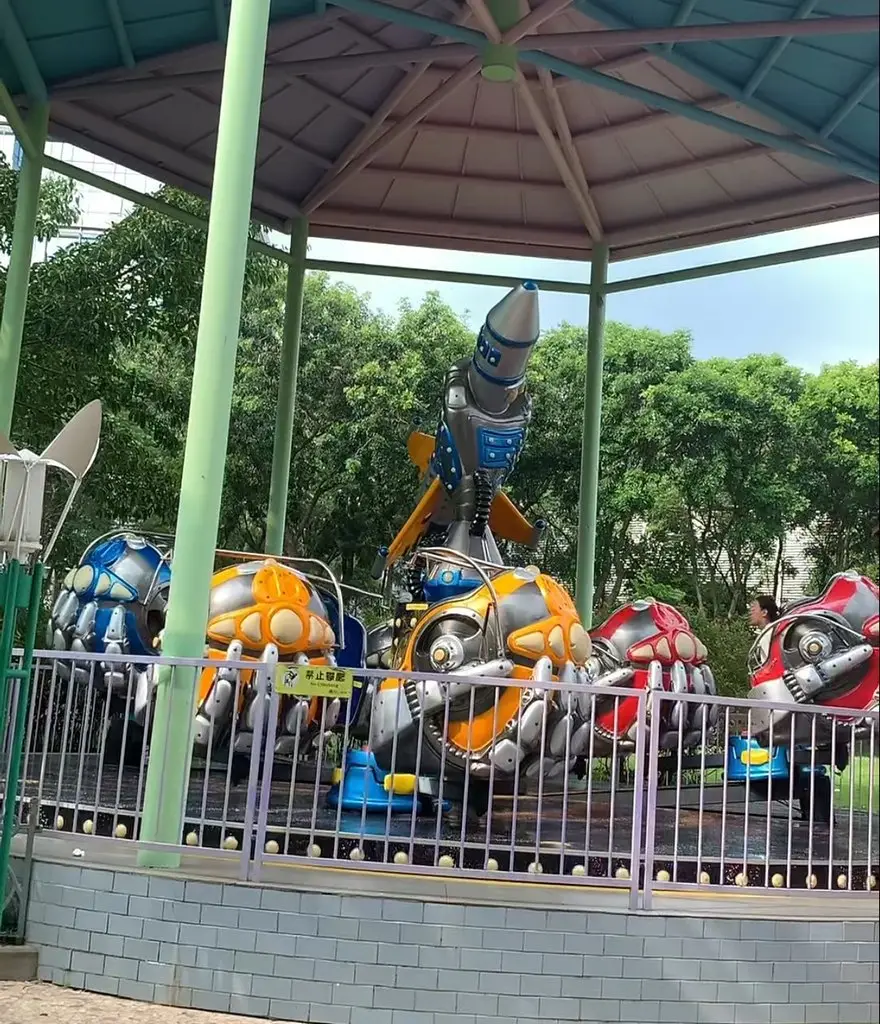
Electrical safety governs wiring layout, circuit overload protection, outdoor‑rated waterproof performance for exterior rides and emergency‑stop trigger‑response time. Mechanical requirements cover load‑bearing frame testing, moving‑part entrapment prevention, passenger‑restraint systems and maximum‑speed limits for children‑oriented units. Accessibility rules specify boarding‑platform height, handrail dimensions and accessible ride‑cabin configurations for visitors with mobility limitations.
Reference Industry Standards
| Standard Document | Main Coverage | Importance for Project Specifications |
|---|---|---|
| ASTM F2007 | Amusement‑ride mechanical safety | Defines load testing, restraint‑system requirements and hazard limits |
| ASTM F2137 | Electric amusement‑ride electrical systems | Governs wiring, insulation, emergency‑stop circuits for powered attractions |
| CPSC Amusement Ride Safety Guidelines | Site layout & operational risk management | Baseline reference used during third‑party on‑site inspections |
Final project close‑out requires inspection reports completed by qualified amusement‑safety auditors. Inspectors verify real‑world installed dimensions and performance rather than relying solely on supplier drawings. These audit records are retained within official grant‑project files and remain subject to future retrospective reviews.
Completing Application Paperwork Prior to Submission Deadline
Every grant round operates with a fixed submission cutoff date. Evaluator recommendations go to the commission months afterwards. Reimbursement takes place only after full construction completion. As a result, an amusement‑ride project approved in one funding cycle generally opens to visitors roughly two years following application filing. Working backwards, official resolutions, recreation master plans, community‑needs assessments, site blueprints and matching‑fund commitment paperwork must be finalised ahead of the application‑window opening.
Critical Documentation to Finalise Early
- Governing‑body formal authorisation: Public hearing complying with local open‑meeting statutes, followed by an official resolution designating authorised project representatives.
- Valid recreation master plan: Filed with grant‑administrating authorities, directly contributing points under evaluation criteria.
- Community‑needs assessment and public‑input archives: Records documenting consultation timing, methodology and resident‑feedback outcomes.
- Site layout drawing & boundary map: Marking property borders, utility routes, easement zones and divisions between existing land and newly‑acquired project parcels.
- Detailed budget, construction timeline and match‑fund commitment letters: Itemised unit costs, construction‑season scheduling and signed commitment paperwork for local matching resources.
Available Procurement Pathways
Full open competitive bidding produces custom specifications tailored exactly for the venue’s unique site conditions. Pre‑vetted cooperative purchasing contracts shorten lead times, having undergone review by other public agencies; however, they adopt standardised third‑party specifications that may not perfectly fit local project requirements. Projects drawing public‑sector grant money carry special procurement‑compliance rules. Applicants should confirm their chosen procurement route together with grant administrators before formal award approval. Many buyers sourcing pre‑qualified amusement‑ride suppliers find contracting frameworks already in place, while custom technical specifications still require careful drafting.
FAQ
How long must grant‑funded electric amusement‑ride sites stay open for public use? Sites must remain dedicated to public recreation use under a legally‑binding long‑term obligation, not merely for the grant duration. Grant‑assisted premises need to stay maintained and accessible to visitors. Any proposal to repurpose the land for other functions is not a purely local decision; this land‑use restriction survives changes in local‑government leadership.
What happens if real‑world construction costs go higher than approved grant limits? Published grant amounts set maximum reimbursement ceilings and do not cover all potential cost overruns. Administrators will reimburse eligible expenditures up to the approved award value. All excess project expenses fall entirely onto the local project sponsor. Any scope adjustments happening mid‑construction normally demand advance written approval.
Will grants cover replacing electric rides that have simply reached the end of service life? Outcomes depend entirely on how the project gets defined. Replacing isolated worn‑out individual components counts as repair and is ineligible for support. Renewing the whole amusement zone, updating power infrastructure, safety barriers and ride fleet so the finished installation meets current safety standards qualifies as redevelopment. The key test is whether the completed facility delivers performance equivalent to brand‑new installations.


