Investing in playground equipment means committing real money up front. Whether you are building a community park, a family entertainment center, or a commercial indoor facility, the equipment you choose will shape the play experience for children over many years. Facility operators and buyers need a realistic picture of how long that investment will hold up before replacement becomes necessary. The lifespan of outdoor playground equipment depends on material quality, climate conditions, and how consistently the equipment is maintained throughout its service life. Getting any of these variables wrong can mean paying for replacements far sooner than planned.
On average, playground equipment lasts between 10 and 20 years. Commercial-grade equipment typically reaches 15 to 20 years with proper maintenance, while residential-grade equipment often lasts only 5 to 10 years. Metal structures like galvanized steel frames tend to last the longest, frequently reaching 20 years or more, while plastic and wood components degrade faster, usually within 8 to 15 years. The biggest variable is not the material alone but how consistently the equipment is inspected, cleaned, and repaired over its lifetime.
The sections below break down lifespan by material, equipment type, and setting, along with practical steps to extend the useful life of your playground investment.

What is the average lifespan of playground equipment?
Playground equipment lasts 10 to 20 years on average, with metal components at the upper end of that range and plastic or wood parts at the lower end. The exact number depends on material grade, installation quality, and the maintenance routine in place.
The U.S. Consumer Product Safety Commission (CPSC) publishes the Public Playground Safety Handbook, which recommends regular inspection of all playground equipment. The CPSC does not specify an exact replacement age, but it stresses that equipment should be removed from service when it shows signs of structural failure or no longer meets current safety standards.
Material type is the single biggest predictor of lifespan. Here is how common playground materials compare:
| Material | Average lifespan | Common applications |
| Galvanized steel | 20 to 30 years | Frames, posts, structural supports |
| Aluminum | 20 to 25 years | Climbing structures, overhead bars |
| HDPE plastic | 8 to 15 years | Panels, slides, barriers |
| Rotomolded plastic | 10 to 15 years | Tunnels, play components |
| Treated wood | 7 to 12 years | Posts, decking, borders |
| Poured-in-place rubber | 5 to 10 years | Safety surfacing |
| Stainless steel hardware | 25+ years | Bolts, connectors, fasteners |
The data shows why material selection matters during the planning phase. A playground built with galvanized steel framing and commercial-grade HDPE will generally outlast one built with wood and standard plastic by several years. The initial cost difference is often recovered through lower replacement and repair expenses over the equipment’s life.
How long does commercial playground equipment last?
Commercial playground equipment lasts 15 to 20 years when it meets industry standards such as ASTM F1487 and receives regular maintenance. Premium commercial systems with powder-coated steel frames and marine-grade hardware can exceed 25 years in moderate climates.
The difference between commercial and residential equipment is substantial. Commercial equipment is engineered for high traffic, heavier loads, and constant daily use. Residential equipment, even when well-built, is designed for a handful of children in a backyard setting.
| Factor | Commercial equipment | Residential equipment |
| Typical lifespan | 15 to 20+ years | 5 to 10 years |
| Material grade | Heavy-gauge steel, commercial HDPE | Lighter metals, standard plastic |
| Usage capacity | Hundreds of children daily | A few children at a time |
| Safety certification | ASTM F1487, CPSC, IPEMA | ASTM F1148 (home use only) |
| Warranty coverage | 5 to 15 years typical | 1 to 3 years typical |
| Cost per year of use | Lower over time | Higher due to frequent replacement |
For operators running public parks, trampoline park facilities, or indoor play centers, commercial-grade equipment is the only practical option. The per-year cost of ownership is actually lower because you are not replacing components as often. A commercial swing set that lasts 18 years costs less per year than a residential set replaced every 6 years, even if the upfront price is three times higher.

What factors affect how long playground equipment lasts?
Material quality, climate exposure, usage volume, and maintenance frequency are the four primary factors that determine playground equipment lifespan. Equipment installed in harsh climates or high-traffic facilities will degrade faster without a structured maintenance plan.
Material quality
The grade of steel, plastic, or wood used in manufacturing directly affects durability. Galvanized steel treated with a powder coating resists rust far better than untreated steel. Commercial-grade HDPE plastic that is UV-stabilized holds up against sun exposure longer than standard plastic, which becomes brittle and cracks after a few seasons.
Hardware matters as much as the main structural materials. Stainless steel bolts and connectors last 25 years or more, while standard zinc-plated hardware may start corroding within 5 to 8 years, especially in coastal areas with salt air.
Climate and environmental exposure
UV radiation is one of the most destructive forces for playground equipment. Constant sun exposure breaks down plastic molecules, causing fading, cracking, and loss of structural integrity. In hot climates like Arizona or Texas, plastic components may need replacement 2 to 3 years earlier than the same equipment installed in cooler regions.
Moisture is the other major factor. Rain, snow, and humidity accelerate rust on metal components and rot on wood elements. Coastal facilities face additional challenges from salt-laden air, which corrodes metal faster than inland environments. Indoor facilities avoid most weather-related degradation, which is why indoor playground equipment for kids often lasts longer than identical equipment placed outdoors.
Usage volume and user weight
A playground in a busy urban park that sees 200 or more children per day will wear differently than one in a quiet suburban neighborhood. Moving parts like swing bearings, spinner mechanisms, and trampoline springs experience mechanical fatigue proportional to usage. Equipment rated for commercial use is designed with higher load capacities and heavier-duty bearings, but even commercial equipment has physical limits.
Maintenance and inspection routines
The National Recreation and Park Association recommends a structured maintenance schedule that includes daily visual checks, monthly detailed inspections, and annual professional audits. Facilities that follow this schedule consistently see equipment last 30 to 50 percent longer than those that do not.
Key maintenance tasks include the following:
- Tightening loose hardware monthly
- Replacing worn swing chains and seats every 3 to 5 years
- Lubricating moving parts like bearings and hinges quarterly
- Cleaning plastic surfaces to remove dirt and grime that trap moisture
- Touching up scratched powder coating to prevent rust from spreading
- Replacing safety surfacing before it falls below required depth

How often should playground equipment be replaced?
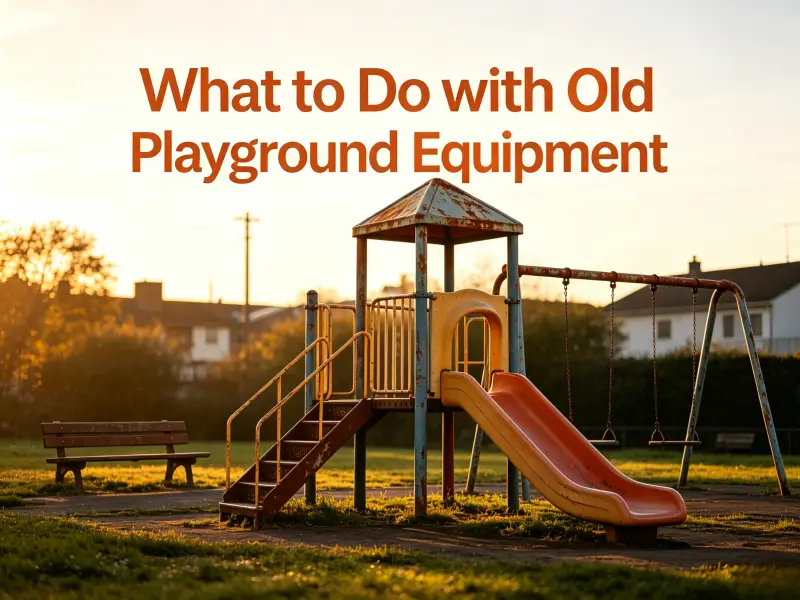
Playground equipment should be replaced every 10 to 20 years, depending on material type and overall condition. Individual components showing structural damage, deep rust, or plastic degradation should be replaced immediately, regardless of the equipment’s age.
The question of how often playground equipment should be replaced does not have a single answer because different components age at different rates. A steel frame might be structurally sound at year 18, while the plastic slide attached to it needs replacement at year 12. This is why a component-based replacement strategy often makes more financial sense than replacing an entire playground at once.
The ASTM F1487 standard defines safety and performance requirements for public-use playground equipment. When equipment no longer meets these standards, even after repair, replacement is necessary. Safety surfacing has its own standard (ASTM F1292) and typically needs replacement before the equipment itself.
Signs that replacement is overdue:
- Structural steel showing rust penetration beyond surface oxidation
- Plastic components with visible cracks or stress fractures
- Wood components with rot, splintering, or warping
- Swing chains with stretched links or visible corrosion
- Safety surfacing compressed below the required fall height rating
- Moving parts that no longer operate smoothly after lubrication
How to extend the lifespan of playground equipment
Regular inspections, prompt repairs, proper cleaning, and seasonal protection can extend playground equipment lifespan by 5 to 10 years beyond the manufacturer’s average estimate.
A well-run maintenance program does not need to be expensive. The most effective practices are consistent and simple.
Daily tasks
- Walk the playground to check for obvious hazards
- Remove debris, litter, and animal waste
- Verify that safety surfacing is in place and not displaced
Monthly tasks
- Inspect all hardware for looseness or corrosion
- Test moving parts for smooth operation
- Check plastic components for early signs of cracking
- Document any issues with photos and notes for tracking
Annual tasks
- Hire a certified playground safety inspector (CPSI) for a full audit
- Replace worn consumable parts like swing seats and chains
- Repaint or touch up powder-coated surfaces
- Evaluate safety surfacing depth and replenish as needed
Indoor facilities have their own set of maintenance priorities. For electric amusement rides and motorized equipment, electrical systems need regular testing and component checks. Indoor maintenance also includes sanitizing soft play surfaces and checking netting for tears or stretching.
Common playground equipment names and their typical durability
Different types of playground equipment have different expected lifespans based on their construction and how much wear they take. Understanding these differences helps with budgeting and replacement planning.
| Equipment type | Typical lifespan | Key maintenance notes |
| Commercial swing sets | 15 to 20 years | Chains and seats replaced every 3 to 5 years |
| Rotomolded slides | 10 to 15 years | UV exposure is the main degradation factor |
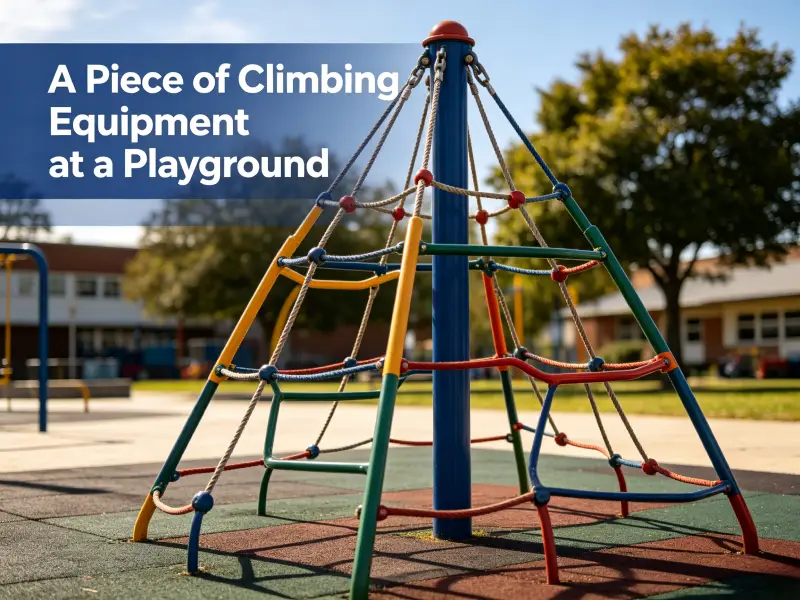
| Steel climbing structures | 20 to 25 years | Powder coating extends life significantly |
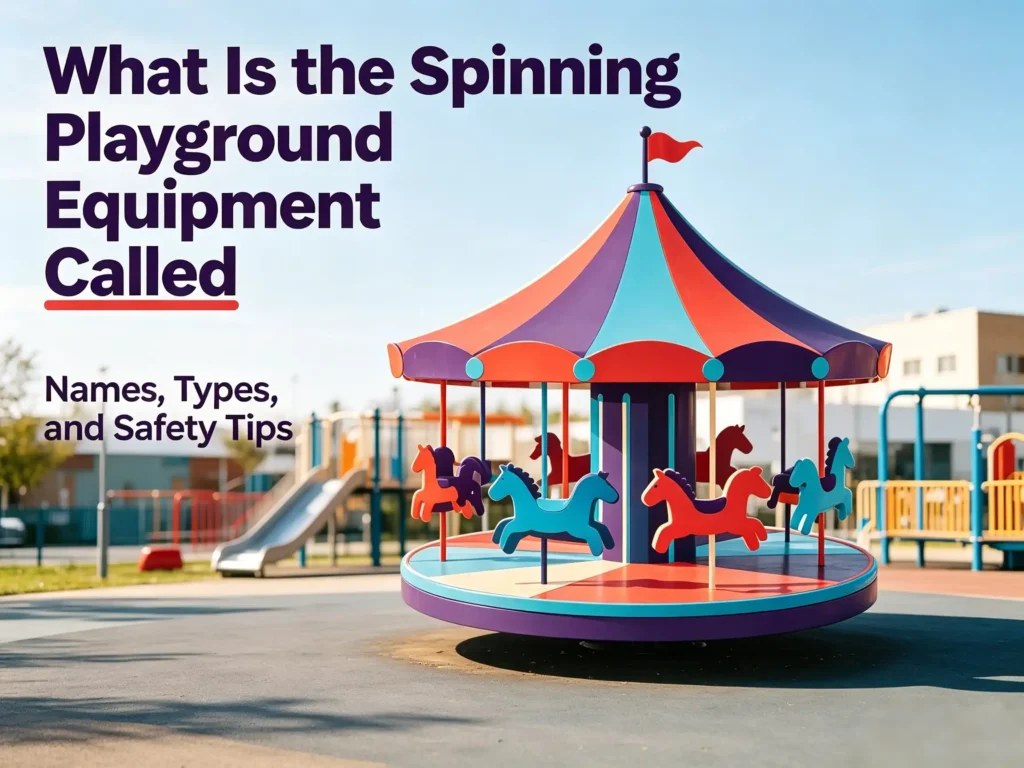
| Playground equipment that spins | 10 to 15 years | Bearings need lubrication every 3 months |
| Spring riders | 8 to 12 years | Springs fatigue and lose tension over time |
| Monkey bars and overhead ladders | 15 to 20 years | Hardware inspection is critical for safety |
| Plastic play panels | 8 to 12 years | Cracking and fading are the primary issues |
| Trampoline beds | 5 to 8 years | A frame can last 10 to 15 years with proper care |
Playground equipment names can vary by manufacturer and region, but the construction principles are similar across types. Equipment with fewer moving parts generally lasts longer because there are fewer components subject to mechanical wear. When selecting equipment, consider not just the upfront cost but the expected replacement cycle for each component.

Why choosing the right playground equipment companies matters
The manufacturer you choose directly impacts how long your equipment lasts. Companies that use commercial-grade materials, follow ASTM standards, and back their products with strong warranties produce equipment that outlasts cheaper alternatives by several years.
JQK (JinQiKai) designs and manufactures playground equipment built for long-term commercial use. The company produces a range of indoor and outdoor playground systems, including mini indoor play castle series, trampoline parks, and electric amusement rides. JQK’s manufacturing process uses galvanized steel framing, UV-stabilized plastics, and stainless steel hardware to push equipment life well beyond the industry average.
What sets JQK apart from other playground equipment companies:
- Material standards: Commercial-grade galvanized steel and UV-stabilized HDPE plastic used across all product lines
- Certification compliance: Products manufactured to meet ASTM and CPSC safety standards
- Custom design capability: Each playground is designed for the specific space, climate, and usage pattern of the client
- Warranty support: Structural components backed by extended warranty coverage
- After-sales service: Ongoing maintenance guidance and replacement parts availability
If you are planning a new playground or evaluating whether your current equipment needs replacement, JQK’s team can assess your site and recommend equipment matched to your budget and expected usage. Contact JQK to discuss your project requirements and get a tailored equipment proposal.
Signs your playground equipment needs replacement
Visible rust on structural members, cracked or broken plastic, loose or missing hardware, and degraded safety surfacing are the clearest signs that playground equipment needs replacement.
Use this checklist during routine inspections:
- Structural steel: Look for rust that has penetrated beyond the surface. Surface oxidation can be treated, but rust that has pitted or thinned the metal means the component needs replacement.
- Plastic components: Check for cracks, stress fractures, and brittleness. Plastic that has become chalky or faded has lost UV protection and will degrade rapidly.
- Hardware: Test bolts and connections for tightness. Corroded or stripped hardware should be replaced immediately.
- Moving parts: Spinners, carousels, and swing mechanisms should operate smoothly. Grinding, squeaking, or resistance after lubrication indicates bearing failure.
- Safety surfacing: Measure surfacing depth at high-impact zones. If pour-in-place rubber has separations, cracks, or thinning below the rated fall height, it needs replacement.
- Wood components: Look for rot, splintering, and warping. Treated wood lasts longer but still degrades over time, especially at ground contact points.
When two or more of these issues appear on the same structure, full replacement is usually more cost-effective than continued repairs.
Frequently Asked Questions
Can playground equipment last longer than 20 years?
Yes. Galvanized steel structures with powder coating and stainless steel hardware can last 25 to 30 years in moderate climates with consistent maintenance. The structural frame often outlasts the attached components like slides, panels, and swing seats, which need replacement on their own shorter schedules.
What is the most durable material for playground equipment?
Galvanized steel with a powder-coated finish is the most durable structural material for playground equipment. It resists rust, handles heavy loads, and maintains structural integrity for 20 to 30 years. Stainless steel hardware is equally durable and prevents the most common failure point: corroded fasteners.
Does indoor playground equipment last longer than outdoor equipment?
Generally yes. Indoor equipment avoids UV radiation, rain, snow, and temperature fluctuations, which are the primary causes of material degradation. An indoor playground with the same construction quality as an outdoor one will typically last 3 to 5 years longer. However, indoor equipment still requires regular maintenance, especially for moving parts and soft play surfaces.