Whether you’re planning a backyard play area or sourcing outdoor playground equipment for a commercial site, the price question comes first and rarely has a single number attached to it. Most budgeting mistakes happen because buyers estimate the equipment alone and forget the ground, the labor, and the permits that turn loose parts into a safe, usable play space.
For most buyers, installing playground equipment runs from about $15,000 for a small backyard or basic community setup to $150,000 or more for a full school or public park, with the installed total usually landing between $40 and $150 per square foot once you add surfacing, site preparation, and labor. A standard mid-size community playground typically lands in the $50,000 to $90,000 range all-in.
The sections below break down where that money goes, how costs shift by site type, and how to plan a budget that holds up from the first quote to the final inspection.
Playground Equipment Installation Cost at a Glance
Most projects fall into a predictable spread once you separate the equipment from everything around it. The ranges below reflect installed costs, meaning equipment, delivery, surfacing, and basic site work are included.
| Project type | Typical size | Installed cost range | Cost per sq ft |
| Backyard / residential | 200-500 sq ft | $1,500 – $15,000 | $7 – $30 |
| Small community plot | 1,000-2,500 sq ft | $20,000 – $55,000 | $20 – $55 |
| School playground | 3,000-8,000 sq ft | $60,000 – $150,000 | $40 – $120 |
| Public park | 5,000-15,000+ sq ft | $100,000 – $500,000+ | $50 – $150 |
| Commercial indoor | 2,000-10,000 sq ft | $80,000 – $400,000+ | $60 – $180 |
The single biggest driver is not the slide or the swing set. It is the combination of safety surfacing and site preparation, which on many projects equals or exceeds the cost of the playground equipment itself. A flat, grass-ready field with engineered wood fiber is far cheaper to build out than a sloped lot that needs grading, drainage, and a poured rubber mat.
Budget owners should also expect a gap between the equipment quote and the final invoice. Freight, crane rental, surfacing, and inspection fees are commonly quoted separately, and that separation is where surprises hide.
What Drives the Price of a Playground Installation?
Five factors move the number more than anything else: scale, materials, customization, surfacing choice, and site condition. Getting a firm handle on these before you request quotes keeps the bids you receive comparable instead of confusing.
Scale and play value
Bigger footprints cost more, but cost does not rise in a straight line with size. A compact design packed with vertical play, such as towers, climbers, and double slides, can deliver high play value at a lower per-square-foot rate than a sprawling layout with long open runways. When you plan capacity, think about the number of children using the space at peak time, not just the total area.
Materials and build quality
Galvanized steel frames, roto-molded polyethylene panels, and UV-stable plastics last longer and cost more upfront than lightweight residential-grade parts. For a backyard, a lighter build is fine. For a school or park that sees hundreds of children a week, commercial-grade materials are the difference between a structure that lasts 15 years and one that needs major repairs in 4.
Customization and theming
Standard catalogue layouts are cheaper because the engineering is already done. Custom shapes, themed towers, and integrated shade push the price up but also reduce the chance that your site looks like every other lot in town. Custom work also changes the timeline, since bespoke pieces are built to order rather than pulled from stock.
Safety surfacing
This deserves its own line item because it is often the largest non-equipment cost. Loose-fill options like engineered wood fiber or rubber mulch run cheaper per square foot but need ongoing top-up. Poured-in-place rubber and rubber tiles cost more at install but need less maintenance and meet stricter fall-height ratings. The right choice depends on your fall height, drainage, and maintenance budget.
Site condition
A flat, drained, accessible lot is the cheapest canvas. Slopes, poor soil, buried utilities, and lack of nearby power for lighting all add cost. Site visits and a basic topographical check before you price equipment save more money than haggling on the equipment quote.

Playground Installation Cost by Site Type
Where the playground sits changes the budget more than most people expect. A school yard, a public park, and a backyard face different safety rules, different usage loads, and different installation realities.
School playgrounds
How much does it cost to build a playground at a school depends mainly on enrollment and the age groups served. A typical elementary school installation runs $60,000 to $150,000 installed, with the higher end covering inclusive play features, shade, and large capacity. Schools must meet stricter fall-height and accessibility standards, which raises both the surfacing and the inspection costs. Many districts phase the build over two or three budget years, starting with the structure and adding surfacing or shade later.
Public parks
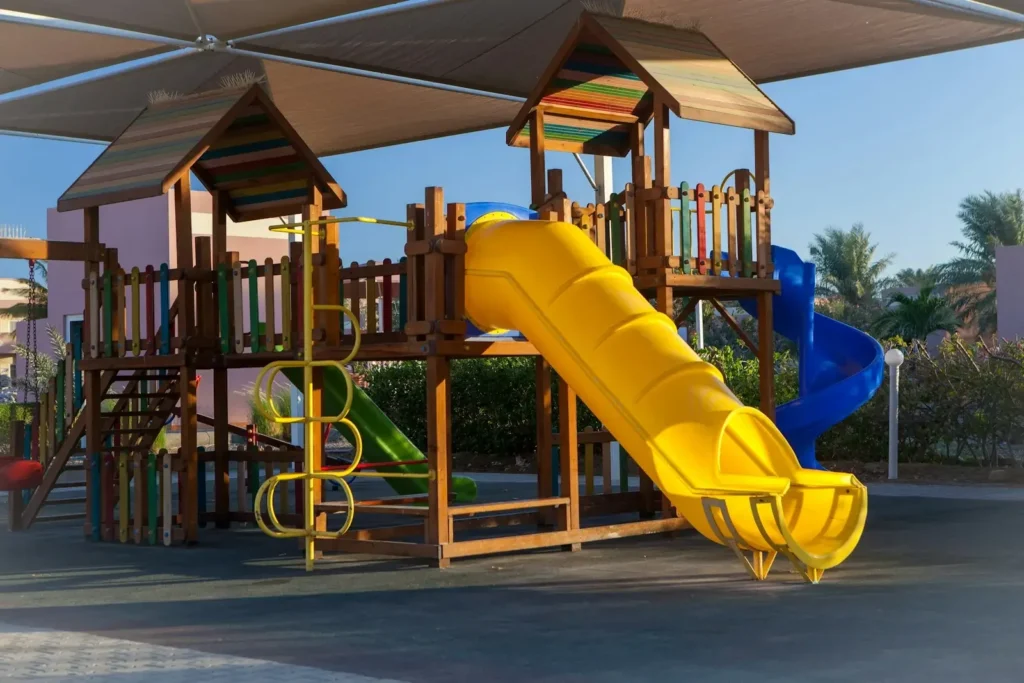
How much does a park playground cost sits in a wide band because parks serve all ages and higher traffic. A neighborhood pocket park might come in at $50,000 to $90,000, while a destination regional park with inclusive equipment, custom theming, and adjacent amenities can pass $300,000. Parks also carry ongoing maintenance obligations that should be budgeted from day one, since heavy public use wears surfacing faster than private settings.
Commercial indoor playgrounds
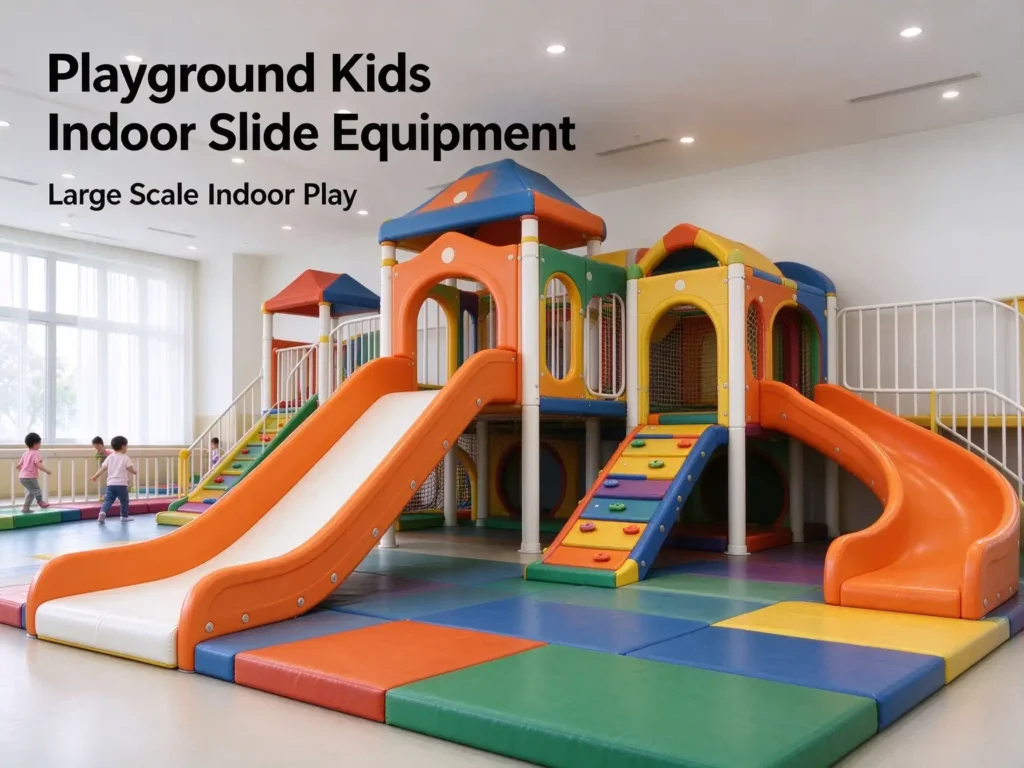
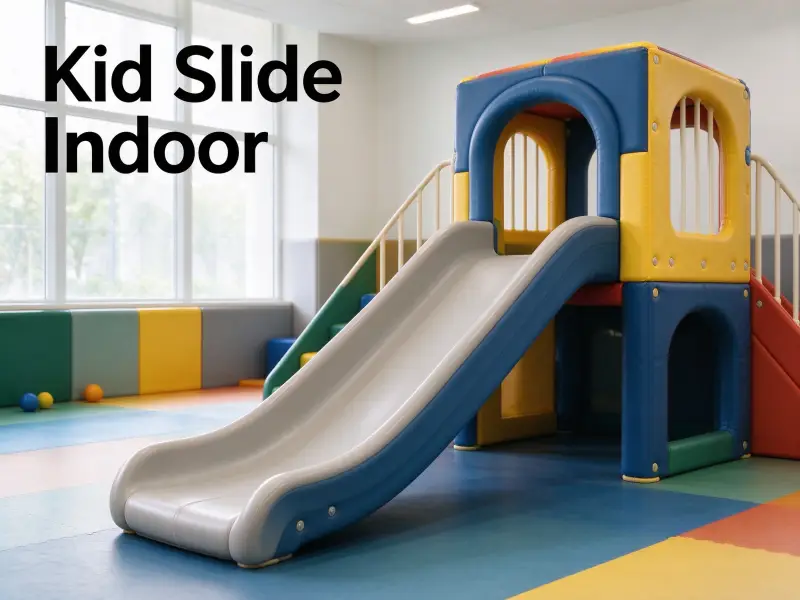
Indoor sites swap weatherproofing for climate control and add soft-play padding, but the equipment cost per square foot is often higher because of multi-level structures. A trampoline park or multi-level indoor play frame typically runs $80,000 to $400,000 depending on height, theming, and whether you include party rooms or cafes. Indoor builds avoid outdoor surfacing costs but add HVAC load and stricter fire-code compliance to the budget.
Residential backyards
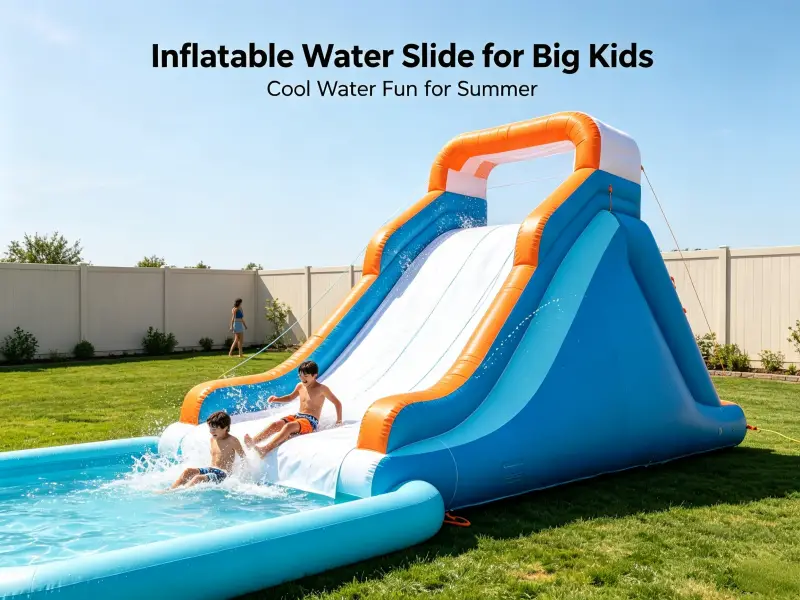
A backyard setup is the only category where many owners install the equipment themselves. A basic swing-and-slide combo with a leveled grass patch can cost under $2,000 in materials, while a professionally installed wooden or composite set with safety surfacing lands around $5,000 to $15,000. DIY saves labor but shifts liability and compliance onto the homeowner.
Playground Equipment Price Ranges by Piece
Breaking the budget down to individual pieces helps you see what you are paying for and where you can trim. The table below shows typical equipment-only price ranges before installation and surfacing.
| Piece | Equipment price range | Notes |
| Slide tower (single) | $1,500 – $6,000 | Steel or plastic, height-dependent |
| Swing set (residential) | $300 – $2,500 | Materials drive the spread |
| Swing set (commercial) | $3,000 – $12,000 | Belt or bucket seats, inclusive options |
| Climbing frame | $2,000 – $15,000 | Rope nets, domes, or steel structures |
| Merry-go-round / spinner | $800 – $5,000 | Part of playground equipment that spins |
| Seesaw / spring rider | $200 – $1,500 | Low-cost add-ons |
| Themed combo structure | $15,000 – $80,000+ | Multiple play values in one footprint |
The names you meet when you shop span far beyond the familiar slide and swing. Common playground equipment names include climbing domes, rope courses, spiral slides, inclusive ramps, sand diggers, and musical play panels. Knowing the names helps you read quotes accurately, because two bids that both say “combo structure” can describe very different footprints and capacities.
Swing set installation cost
Swing set installation cost is a useful benchmark because swings are among the most common add-ons. For a residential set, professional installation runs $200 to $900 on top of the equipment, assuming level ground and soft surfacing already in place. Commercial swing bays cost more to install because footings must be deeper and spacing must meet public safety codes. If your site already has safe surfacing, installation drops; if you need footings, leveling, and surfacing added, the install can rival the price of the swings themselves.
Playground equipment that spins
Rotating pieces have come back into favor because they engage a different kind of play. A standalone spinner or small merry-go-round costs $800 to $5,000 for the equipment, with installation usually simple since these pieces have a single central footing. They are a cost-effective way to add play value without expanding the footprint much.
Playground equipment for kids by age group
Not all pieces suit all ages, and mixing them raises both cost and risk. Toddler zones need low platforms and enclosed slides. School-age areas can carry taller towers and faster spinners. Specifying playground equipment for kids by age band keeps the layout safer and stops you from over-building low-use corners of the site.
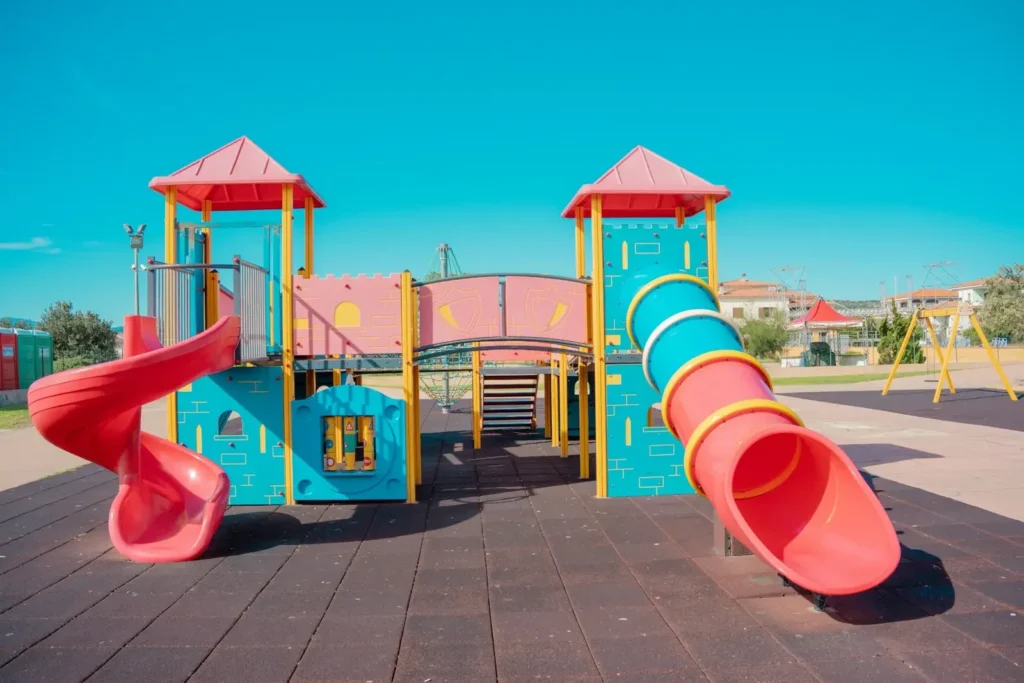
Site Preparation and Safety Surfacing Costs
This is the section most first-time buyers underestimate. Site prep and surfacing routinely account for 30 to 50 percent of the total installed cost, and skipping proper groundwork is the fastest route to a failed inspection.
Site preparation
Leveling, grading, drainage, and accessible pathways are prep work that happens before any equipment arrives. Expect $3 to $12 per square foot for basic grading and surfacing base, more if retaining walls or significant earthmoving are needed. A site with good natural drainage and gentle slope keeps this line low. A wet, uneven lot can double it.
Safety surfacing options
Surfacing choice is where budgets diverge most sharply:
- Engineered wood fiber: $1.50 – $4 per sq ft installed. Cheapest, natural look, needs annual top-up.
- Rubber mulch: $4 – $8 per sq ft. Low maintenance, good fall protection, longer life than wood.
- Rubber tiles: $8 – $16 per sq ft. Modular, accessible, easy to repair in sections.
- Poured-in-place rubber: $12 – $25 per sq ft. Smooth, seamless, highest compliance, longest life.
The fall height of your tallest piece sets the minimum surfacing depth, so the equipment decision and the surfacing decision are linked. Buy them together, not separately.
Installation Labor, Shipping, and Assembly Fees
Even when you buy the equipment, someone has to put it in the ground. Labor is the part of the budget most affected by your own choices.
Labor and assembly
Professional installation labor runs roughly $50 to $150 per hour per crew member, and a typical commercial build needs a 3 to 5 person crew for several days. Anchoring footings, assembling towers, and installing surfacing are skilled tasks; mistakes here create safety liabilities. Many playground equipment companies offer turnkey installation, which bundles labor into one accountable quote and removes the finger-pointing if something is off at inspection.
Shipping and logistics
Freight is quoted by weight and distance. Oversized footings, long beams, and multi-level towers ship on flatbeds and can add $1,500 to $10,000 depending on how far the factory sits from your site. Sourcing from a manufacturer close to your region, or consolidating a full order into one shipment, cuts this line noticeably.
Permits and inspection
Most commercial and school installs require permits and a certified safety inspection. Budget $500 to $3,000 for permits, plans, and third-party inspection depending on your municipality. Skipping this step to save money is false economy, since a failed inspection means rework at full cost.
How to Budget Smartly and Avoid Hidden Costs
A good budget is built backwards from the inspection, not forwards from the equipment catalogue. The habits below keep total cost close to plan.
Buy from the source
The biggest avoidable markup comes from layering distributors between you and the factory. Working with a direct manufacturer removes one or two margins and usually shortens the lead time, because there is no middle warehouse. For schools and parks with fixed capital budgets, that difference can fund an extra piece of equipment or better surfacing.
Order as one package
Bundling equipment, surfacing, and install into a single scope means one accountable party and one coordinated timeline. It also reduces the chance that surfacing arrives a week after the crew leaves. Package pricing is almost always cheaper than three separate contracts.
Phase the build
If the full vision exceeds this year’s budget, phase it. Install the structure and base surfacing first, then add shade, spinners, or a themed wing in year two. Phasing keeps the space usable and spreads cost without losing the long-term plan.
Plan maintenance from day one
Set aside roughly 5 to 10 percent of the installed cost per year for upkeep. Topping up loose-fill, checking footings, and replacing worn parts prevents small issues from becoming safety closures. A maintenance line in the original budget is cheaper than a surprise capital repair.
For a school, a park, or a commercial site, talking to a manufacturer early changes the math. The community-integrated combined custom play approach lets you combine towers, spinners, and inclusive ramps into one engineered footprint sized to your lot and your budget, rather than bolting together separate catalog items. That integration is where many buyers find both cost savings and a layout that actually fits the space.
When you are ready to price a specific site, the fastest path is to share your dimensions, age groups, and target budget with a factory team that can return a scoped quote. Reaching out through Contact Us gets you to people who build these structures daily and can flag the hidden costs before they hit your invoice.
FAQ
Is it cheaper to install playground equipment myself or hire a pro?
For a small residential set on level ground, DIY can save $500 to $1,500 in labor and is reasonable if you follow the anchor and surfacing guidelines. For any school, park, or commercial site, professional installation is the safer choice because footings, fall heights, and accessibility standards carry legal and safety weight that DIY rarely meets.
What is the most expensive part of a playground installation?
Safety surfacing and site preparation together usually rival or exceed the equipment cost, often 30 to 50 percent of the total. The tallest piece’s fall height sets the surfacing depth, so the equipment and surfacing decisions should be made together rather than priced separately.
How long does a playground installation take?
A residential set takes a day or two. A school or community build runs one to three weeks, including site prep, footing cure time, assembly, and inspection. Custom or themed structures add lead time because they are built to order, so confirm the production window before you set a public opening date.