
Most playground projects do not stall because nobody cares. They stall because the goal was set from a catalog price instead of a delivered project cost, and because the campaign was built as one large ask instead of several streams that land at different times. A parent group that needs a new outdoor playground equipment package is usually competing against a school budget that has no line for it, a city capital plan already committed for three years, and donors who have been asked for money by four other causes this season.
Raising money for playground equipment works when you price the whole project first, then match each slice of the budget to the source that suits it: grants for the largest and slowest portion, sponsorships for named pieces, events and online campaigns for the visible remainder, and phasing to open the space before every dollar is in.
The sections below work through that sequence, from the true cost of a build to the calendar that gets it funded.
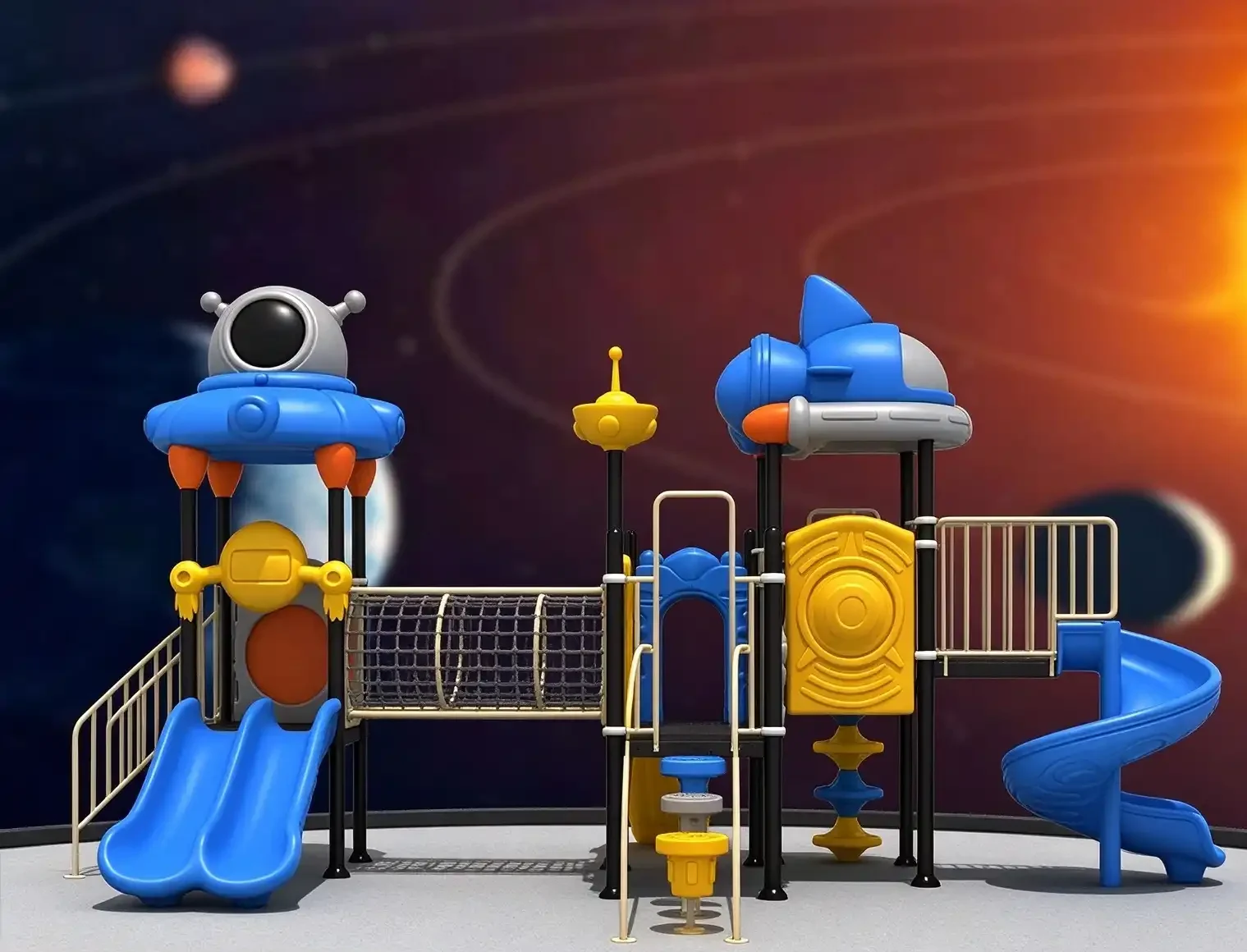
What Does Playground Equipment Cost Once Everything Is Counted?
A playground budget is the delivered cost of a usable space, not the price of the structure. Equipment usually accounts for 45 to 60 percent of the total, and the rest is surfacing, site work, freight, installation, permits and a contingency you will almost certainly need.
Quotes mislead in a predictable way. A supplier prices the play structure and the freight to a port, while the project also needs a fall-height rated surface, a drainage solution, an accessible route from the parking area, removal of the old structure, and an inspection before children are allowed on it. Groups that raise against the equipment number alone discover a gap of 40 to 55 percent roughly two weeks before installation, when there is no time to run another campaign.
| Cost line | Typical share of a playground budget |
| Equipment and play components | 45 to 60 percent |
| Safety surfacing and drainage | 10 to 20 percent |
| Site preparation and earthwork | 8 to 15 percent |
| Delivery and freight | 3 to 6 percent |
| Installation and inspection | 8 to 15 percent |
| Permits, design and engineering | 2 to 5 percent |
| Contingency | 5 to 10 percent |
If you only have a rough figure, start from a published estimate and treat it as a range rather than a target, then refine it with two written quotes. Our breakdown of playground equipment cost shows how unit prices move with size, material and site conditions. Understating the total is also the fastest way to lose a grant: reviewers compare your budget against your scope, and a budget that omits surfacing reads as a project that has not been thought through.
How Do You Get Grants for Playground Equipment?
Grants for playground equipment come from three layers: federal recreation programs passed through your state, city entitlement funds, and private foundations or corporate giving. Match the program to your legal status and population before writing anything, because most rejections are eligibility failures rather than weak proposals.
The clearest example is the Outdoor Recreation Legacy Partnership, a National Park Service program funded through the Land and Water Conservation Fund. It reimburses up to 50 percent of project costs, requires a population of 25,000 or more, and binds the site to public outdoor recreation use in perpetuity. It has invested more than $385 million since 2014, and playgrounds are among its named project types. A village of 3,000 cannot use it, but the same money reaches small towns through the state side of the fund, which every state administers on its own cycle.
| Program | Who can apply | Match and typical range |
| Outdoor Recreation Legacy Partnership | City, county or tribe, population 25,000 or more | Up to 50 percent federal share, awards from roughly $300,000 upward |
| State Land and Water Conservation Fund round | State and local government units | 50-50 reimbursement, commonly $20,000 to $600,000 |
| Community Development Block Grant | Applied for through your city or county | No fixed ceiling, project must serve a low and moderate income area |
| Community foundation or utility grant | Nonprofits, schools, friends-of groups | $1,000 to $25,000, decisions in 8 to 12 weeks |
| Corporate giving program | Varies, often needs a nonprofit partner | Cash, materials or labor, small and fast |
What Makes an Application Competitive
Reviewers score four things consistently: a documented need, a costed scope, evidence that the community will maintain the space, and proof that the local share exists. Photographs of the current site plus a usage count from a two-week survey cover the first. Two written quotes cover the second. For the third, attach a schedule rather than a promise, and name the person who owns inspections; a set of written playground maintenance guidelines with inspection frequency and a repair budget is enough to satisfy most reviewers. For the fourth, a pledge table showing cash on hand, committed sponsorships and volunteer labor valued at an hourly rate is stronger than a letter of intent.
Which Fundraiser Returns the Most Money Per Volunteer Hour?
Pledge based events and direct asks return the most, because they carry almost no product cost: a walk or run typically nets 75 to 90 percent of what it raises, while product sales net closer to 40 to 55 percent. The most profitable fundraiser is usually the format your volunteer bench can repeat, not the one with the biggest gross.
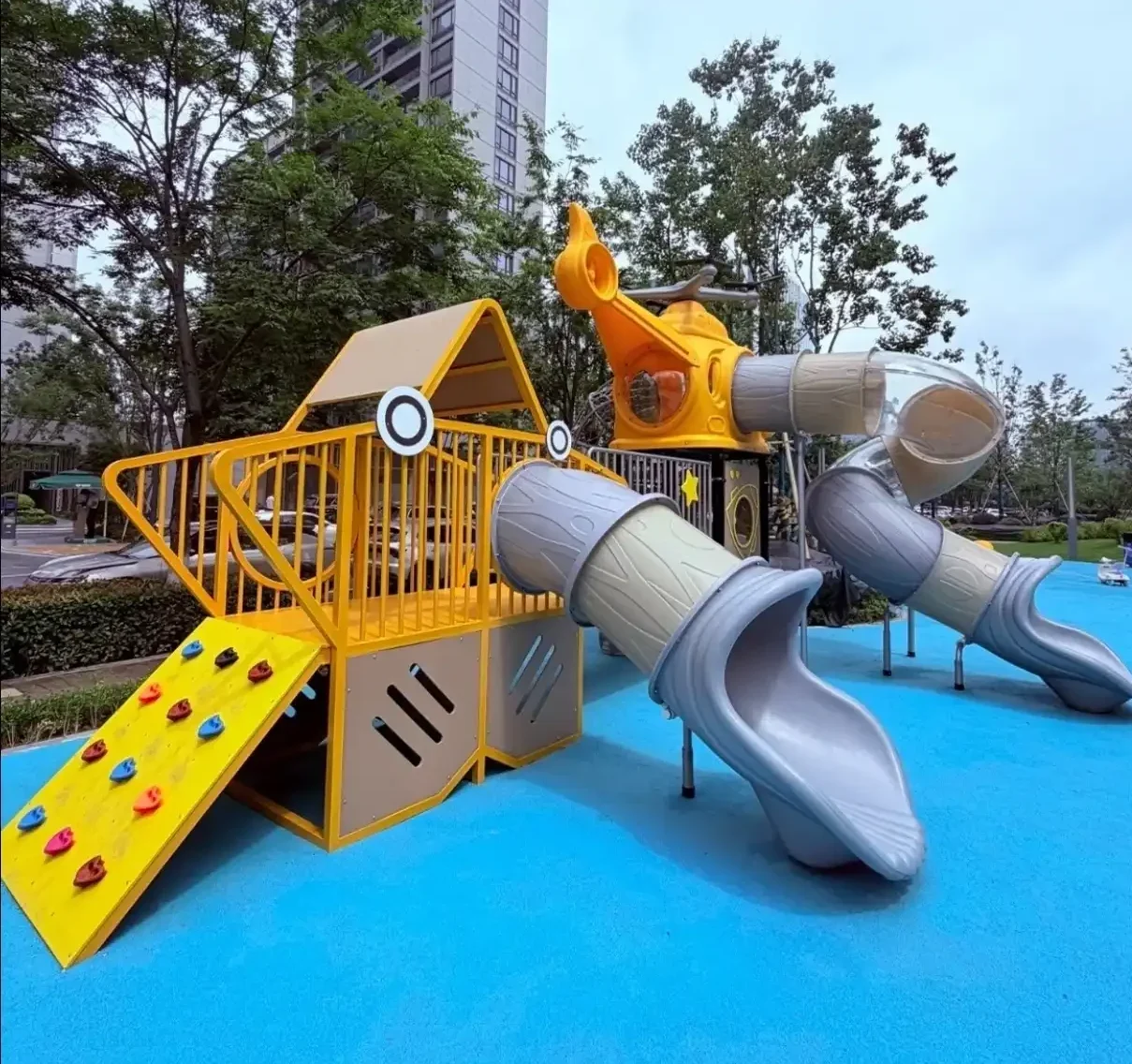
Gross revenue is the number groups celebrate and net proceeds is the number that buys equipment. The gap between them is direct cost plus volunteer hours, and hours are the resource most campaigns run out of first. A bake sale that raises $2,000 on 60 volunteer hours is a worse use of a small committee than a sponsored walk that raises $6,000 on 40.
| Format | Net retention after direct costs | Volunteer hours per $1,000 raised |
| Pledge walk, run or read-a-thon | 75 to 90 percent | 8 to 12 |
| Ticketed community event with sponsors | 55 to 70 percent | 20 to 30 |
| Auction built on donated items | 60 to 75 percent | 25 to 35 |
| Product sales, coupon books, merchandise | 40 to 55 percent | 15 to 25 |
| Online campaign to an existing contact list | 90 to 95 percent | 4 to 8 |
These ranges describe well-run versions of each format; a first attempt usually lands at the low end. Crowdfunding belongs in the last row and is best treated as a way to widen the donor base rather than fund the project. Its real return is the count of individual donors, which becomes match evidence in a grant application and proof of demand in a sponsorship conversation.
How Do You Raise the First $1,000?
The first $1,000 is a credibility exercise rather than a funding milestone. Five moves reach it in under a month without a venue, a permit or a product to sell, and the total gives every later ask a reference point.
- Run a block captain chain: 40 households at $25 each, with one coordinator per street or classroom and a single payment link.
- Ask one local business for $500, then collect 20 gifts of $25. A specific number is easier to answer than an open request.
- Ask ten donors to submit employer match forms. A one-to-one match doubles the same gifts for one email each.
- Secure in-kind help first: printing, permits, hauling and refreshments donated so cash goes to equipment rather than logistics.
- Publish the running total with a photograph of the site. Visible progress converts the next wave of donors faster than any appeal letter.
How Do Sponsorships and Phased Builds Close the Remaining Gap?
Sponsorships convert recognition into cash, and phasing converts a shortfall into an opening date. Together they cover the last 20 to 40 percent that events and grants rarely reach, and they can be arranged while grant decisions are still pending.
Recognition is the product you are selling, so price it in tiers and state exactly what each tier receives:
- Friend, $250 to $1,000: name on the donor board at the entrance.
- Structure, $1,000 to $5,000: plaque mounted on the sponsored piece.
- Zone, $10,000 and above: named play area, launch event recognition and a photograph for the sponsor’s own channels.
Put every promise in writing and honor it in the same season. Sponsors compare notes with each other, and a group that delivered what it advertised finds the second round of asks far easier.
What a Phased Build Should Include First
Phase one should be a complete play experience: the main composite structure, its surfacing, and an accessible route to it. Phase two adds shade, seating and secondary motion pieces. Phase three carries water play or inclusive equipment. Two rules make phasing work. Design all phases before the first order, so later pieces connect to the same layout and drainage plan, and make each phase look finished rather than abandoned. A phased site that reads as half-built depresses donations for the next round. Choosing modular outdoor playground equipment at the start is what allows a second phase to bolt on without rebuilding the first.
Is It Legal to Fundraise for Playground Equipment Yourself?
Running a campaign yourself is legal in most places, but three details decide whether it stays that way: who holds the money, what you tell donors about tax deductibility, and whether the activity needs a license or permit.
A personal appeal for a community facility is not the same legal object as a charity soliciting the public. Many states require registration before an organization solicits donations from residents, and the requirement usually attaches to the entity collecting the money, not to the volunteers knocking on doors. The cleanest structure is a designated fund held by an existing nonprofit, a parks foundation or a school support organization, with the campaign raising into that fund under a written agreement. Tax treatment follows the same logic: gifts to an individual are generally not deductible, as IRS Publication 526 sets out, while gifts to a qualified organization can be.
Where Campaigns Get Into Trouble
- Promising a tax deduction when no 501(c)(3) organization or fiscal sponsor is receiving the money.
- Running a raffle, bingo night or 50-50 draw without the state gaming license that activity requires.
- Using a school or district name, logo or grounds without written approval, or ignoring a district policy on solicitation and approved vendors.
- Mixing project money with personal accounts, or collecting merchandise sales without accounting for sales tax.
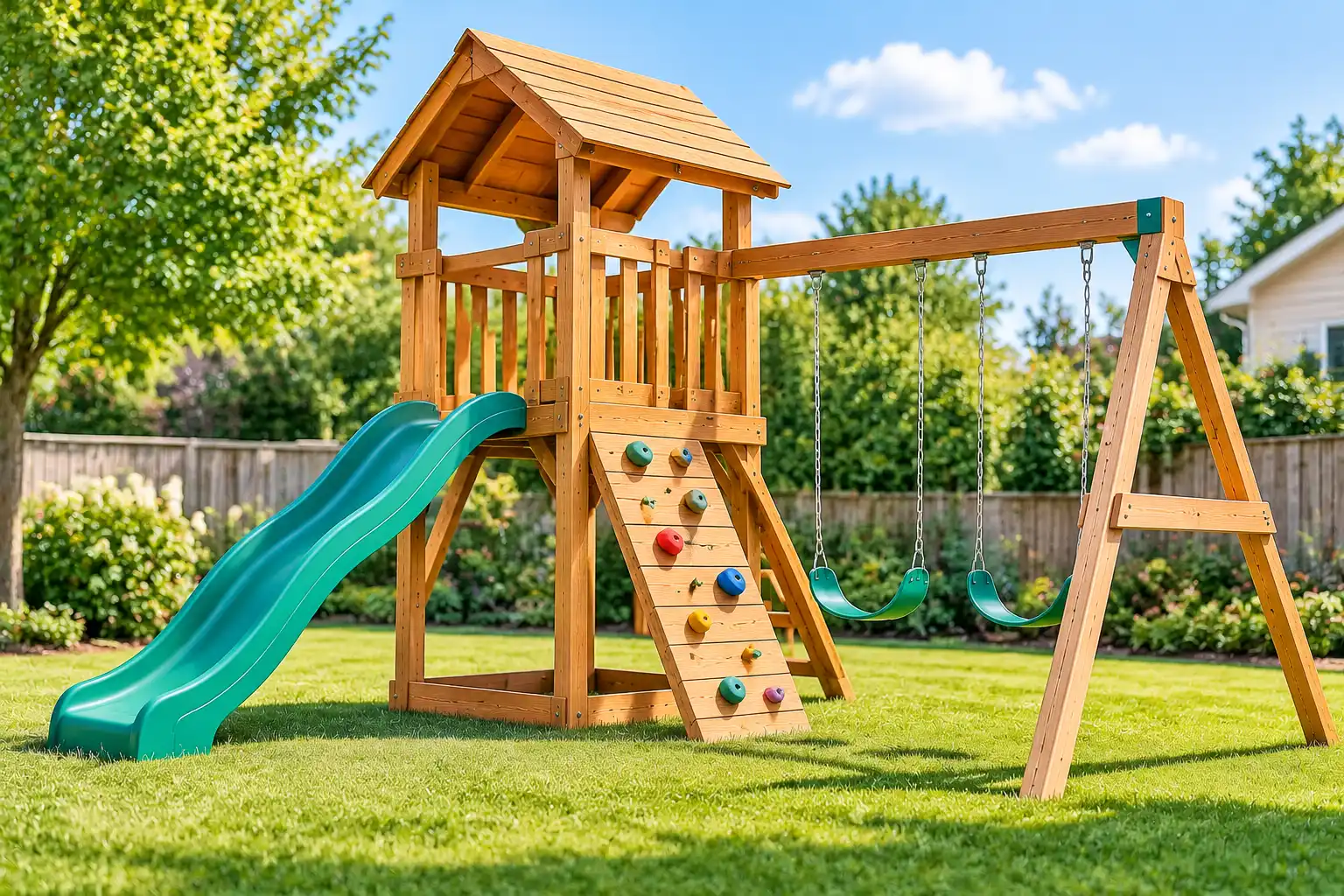
What Should the Campaign Calendar Look Like?
Work backward from the opening date. A community build needs 12 to 18 months, grants are filed first because they carry the largest amounts and the longest cycles, and the equipment order is placed only after surfacing money is secured.
- Month 0, scope and cost: agree the equipment list, obtain two written quotes, confirm who owns or leases the land.
- Month 3, grants: submit every eligible application, since a decision can take six to nine months.
- Month 6, sponsorships: send the tier sheet to twenty local businesses and open the designated fund.
- Month 9, events and online: run the campaign season while grant decisions are pending.
- Month 12, procurement: place the order once surfacing and installation are funded, and confirm certification to ASTM F1487 and EN 1176 for the age group served.
- Month 15, build: site work, surfacing, installation and inspection against the CPSC Public Playground Safety Handbook, then opening and the first maintenance inspection.
Production and shipping set the real deadline. Lead times of 8 to 16 weeks plus ocean freight are normal for custom structures, so a deposit sent one month late can move opening day by a full season.
FAQ
Three questions come up once the budget and the calendar are agreed.
Can a project start before the full amount is raised?
Yes, if the first phase is self-contained. Order nothing until surfacing and installation for that phase are funded, because equipment on a pallet is a liability and a storage problem. Groups that phase deliberately usually open 6 to 12 months earlier than groups waiting for 100 percent.
Do we need a nonprofit to accept donations?
Not to collect money, but almost always to offer a tax deduction and to satisfy grant eligibility. A fiscal sponsor, a parks foundation or a school support organization can hold the fund for a small administrative fee, usually 5 to 10 percent, and it will also handle receipts and reporting.
Do in-kind donations and volunteer labor count toward a grant match?
Often yes, and it is the most underused part of a local share. Documented volunteer hours, donated materials and professional services can count toward the non-federal match in many recreation programs, but the valuation rate and paperwork differ by program, so confirm the rule with the program officer before you build a match table around it.


