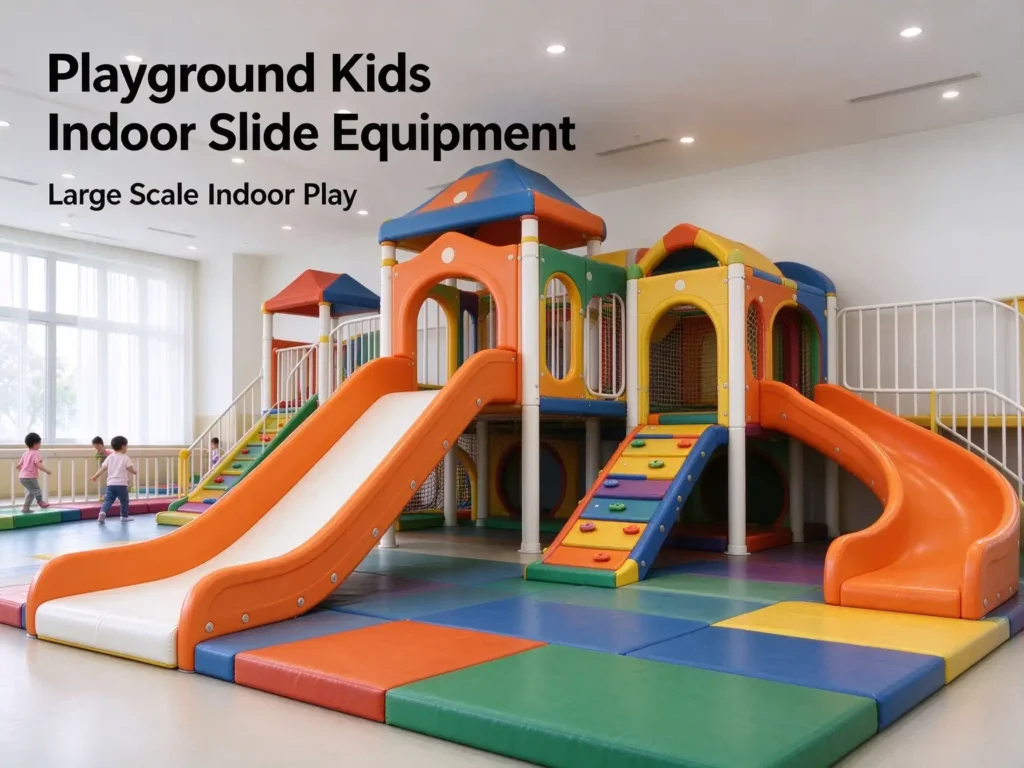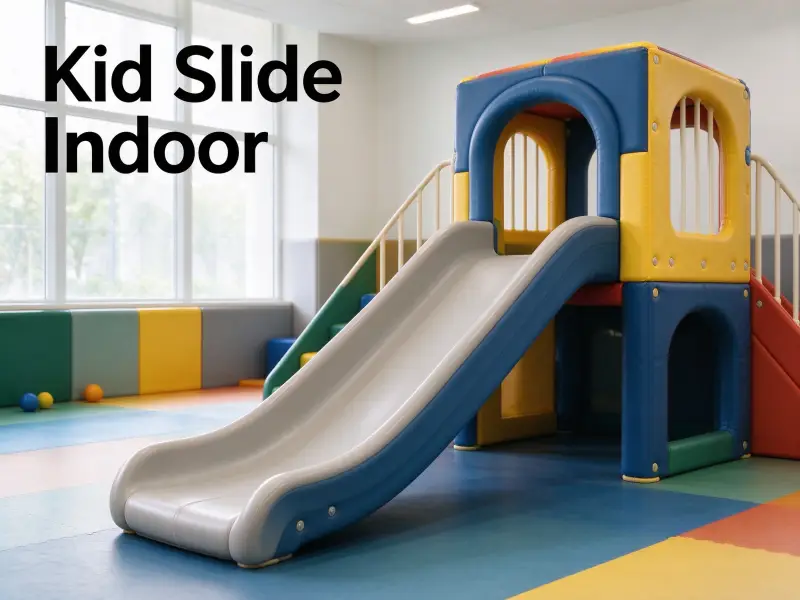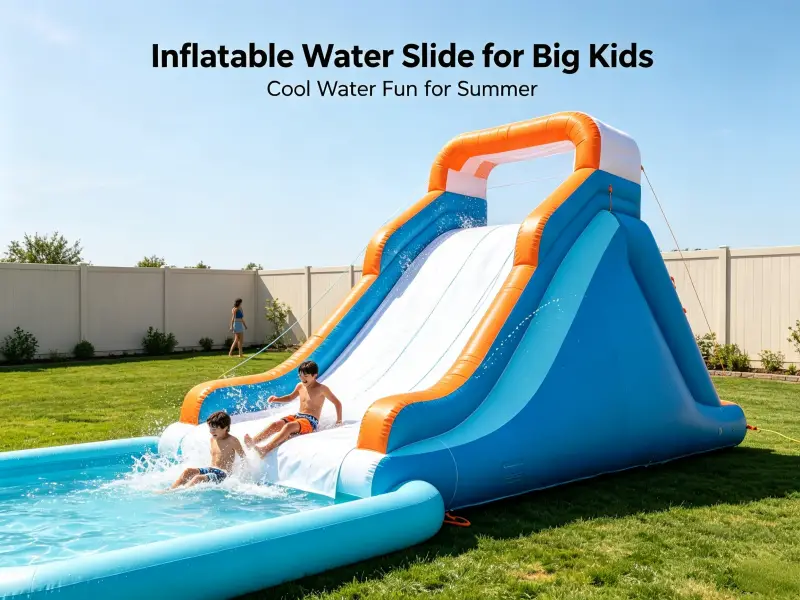
Every year, falls account for a large share of playground-related injuries treated in emergency rooms, and most of those falls occur on the ground directly beneath climbing frames, slides, and swings. Choosing the ground cover is therefore one of the highest-leverage safety decisions any operator, school, or municipality makes. When teams plan a new installation of outdoor playground equipment, the conversation too often starts and ends with the structures themselves, while the surface underneath gets treated as an afterthought that can be finished later with whatever is cheapest.
The safest surface under playground equipment is a tested, impact-absorbing material that meets ASTM F1292 fall-height standards — typically poured-in-place rubber, rubber mulch, engineered wood fiber, or bonded rubber — and is installed and maintained at the depth required for the tallest equipment on the site. No single material is universally best; the right choice depends on the fall height, the users, the budget, and how much maintenance the site can realistically sustain.
Below, we break down the standards that define a safe surface, rank the leading options, explain how to match surfacing to specific playground equipment, and cover lifespan, replacement, and how to work with reliable playground equipment companies when you build or renovate a play area.

What Makes a Playground Surface “Safe”?
A safe playground surface is one that measurably reduces the impact of a fall to levels the human body can tolerate, verified against recognized impact-attenuation standards rather than judged by look or feel.
The Standards That Actually Matter
In the United States, two references shape almost every specification you will encounter. The U.S. Consumer Product Safety Commission (CPSC) publishes the Public Playground Safety Handbook, which sets non-binding guidance on surfacing depth and fall zones. The ASTM International F1292 standard is the performance test that measures how much impact a surface absorbs, expressed through two numbers: G-max (peak deceleration of the head) and HIC (Head Injury Criterion, a measure of impact severity over time). A surface passes when its tested HIC and G-max remain below the thresholds associated with severe or fatal head injury.
A surface can look soft and still fail the test. Only laboratory or field testing against ASTM F1292 confirms that a material will protect a child at a given fall height.
These are not abstract numbers. Head injuries from falls are the leading cause of playground fatalities, and the difference between a surface rated for 8 feet and one rated for 10 feet can be the difference between a bruise and a trip to the hospital. That is why specifiers treat the standard as the floor, not the goal.
Critical Fall Height
The single most important number in surfacing is the critical fall height—the maximum height from which a life-threatening head impact is not expected on that surface. Every piece of playground equipment has a designated fall height, usually the height of the highest play surface a child can stand on. Your surfacing must be rated for at least that height across the entire use zone, the area around the equipment where a child might land after a fall.
Critically, the use zone is not a thin strip under the equipment. For most structures it extends at least 6 feet in every direction, and for swings and spinners it stretches much farther. A common failure mode is installing excellent surfacing directly under a climber but letting the protective zone thin out at the edges, exactly where a child tumbling off is most likely to land.
Loose-Fill vs. Unitary Surfaces
Surfacing splits into two families. Loose-fill materials (wood fiber, rubber mulch, sand, and gravel) are poured in loose and need periodic raking, leveling, and top-up. Unitary surfaces (poured-in-place rubber, rubber tiles, synthetic turf over shock pads) arrive as a fixed layer and stay in place. Each family has strengths, and the comparison table later in this guide lays them side by side so you can see trade-offs clearly rather than guessing.
The Safest Surfacing Options, Ranked
For maximum injury prevention, poured-in-place rubber and bonded rubber lead the field, followed closely by well-maintained rubber mulch and engineered wood fiber, while grass, dirt, asphalt, and concrete should never be used under active play structures.
Loose-Fill Materials
Engineered wood fiber (EWF) is the most common loose-fill choice. It is processed from virgin or recycled wood, contains no treatment chemicals, and compacts into a firm-but-yielding layer that performs well when kept at the correct depth and raked to avoid displacement. Its drawbacks are upkeep and the fact that it decomposes and settles, so it must be topped up regularly to hold its rated depth.
Rubber mulch made from recycled tires offers better impact absorption than fiber, does not decompose, and resists compaction. It can migrate under play and during storms, so it needs containment borders and occasional redistribution. Some buyers also weigh concerns about heat retention and material sourcing, which a reputable supplier should address with certification.
Sand and pea gravel are accepted by the CPSC as loose-fill options, but they absorb less impact than fiber or rubber, compact under traffic, and are easily displaced by children playing. They also pose a mild ingestion risk for very young users and are poor choices for accessibility.
Unitary Surfaces
Poured-in-place (PIP) rubber is installed as a liquid system that cures into a seamless, accessible mat. It delivers consistent protection, supports wheelchair access, drains well, and lasts longer with less daily upkeep — which is why it dominates new public and commercial installs. Its main downside is a higher upfront cost and the need for skilled installation.
Rubber tiles are a modular alternative that is easier to repair section by section; a damaged tile can be lifted and replaced without redoing the whole pad. Synthetic turf over shock pads gives a natural look with good absorption when the pad beneath is specified for the correct fall height, though the turf itself adds little protection, and the system lives or dies on the pad’s quality.
Comparison at a Glance
| Surface | Type | Approx. fall-height rating | Maintenance | Accessibility | Typical lifespan |
| Poured-in-place rubber | Unitary | High (up to 12 ft+) | Low | Excellent | 8–12 years |
| Bonded rubber mulch | Unitary | High | Low | Good | 8–10 years |
| Rubber mulch (loose) | Loose-fill | Medium–High | Medium | Fair | 5–8 years |
| Engineered wood fiber | Loose-fill | Medium–High | High | Fair | 2–5 years |
| Sand / pea gravel | Loose-fill | Low–Medium | High | Poor | 1–3 years |
| Grass / dirt / asphalt | None | Fails test | n/a | Poor | Not approved |

Matching the Surface to Your Playground Equipment
The surface must match the fall height and the movement pattern of the specific equipment above it because a mat that is safe under a low crawl tunnel may be dangerous under a tall tower with a fast slide.
Spinning and Moving Equipment
Playground equipment that spins — carousels, rotating bowls, spinning seats, and whirling discs — creates lateral as well as vertical forces, so children often fall sideways and away from the base rather than straight down. These units need a generous use zone with uniform surfacing and no hard borders, benches, or poles nearby. Because spinners often sit low to the ground, the fall height may be modest, but the surrounding radius of safe surface should be wider than for a static climber, and the surface should not displace under the steady foot traffic a popular spinner attracts.
Slides, Towers, and Climbers
Tall slides and climbing towers carry the highest fall heights on most sites, so they demand the highest-rated surfacing and the deepest loose-fill depths. The landing zone at the bottom of a slide is a high-traffic impact point and should never be allowed to thin out. When you review playground equipment names during planning, note the published fall height of each unit and build the surfacing specification from the single tallest one, then extend that rating across every connected use zone.
Toddler and School-Age Zones
Playground equipment for kids in the toddler range (roughly ages 6 months to 2 years) sits low, so fall heights are small, but the users have poor balance and fall often — which means consistent, accessible surfacing matters more than a sky-high rating. School-age zones combine height with rough, fast play, favoring unitary surfaces that will not displace under running feet. Separating age zones with distinct surfacing also helps supervisors and keeps the right material under the right structure, reducing both risk and maintenance confusion.
Installation and Drainage Considerations
Even a perfectly rated surface fails if water pools beneath it or if the base is prepared incorrectly, so installation quality is as important as material choice.
Base Preparation
Most surfacing systems sit over a geotextile membrane and a graded stone base that promotes drainage and prevents weed growth. Skipping or rushing this layer leads to uneven settling, puddles, and premature failure. Loose-fill needs a retained border at the specified height; unitary systems need a clean, stable, and level substrate so the cure is even.
Drainage and Climate
Standing water softens loose-fill, breeds bacteria in wood fiber, and can crack rigid mats in freeze-thaw climates. Slope the base gently toward drains, specify permeable edges, and in cold regions choose materials rated for thermal cycling. A surface that drains well also stays safer, because a saturated mat absorbs far less impact than a dry one.
Professional vs. Self-Install
Loose-fill is feasible for a motivated crew, but unitary systems should be installed by certified contractors whose work can be field-tested for compliance. Ask for a post-installation impact test report; this document is your proof that the surface performs as specified and is worth more than any marketing claim.
Lifespan, Maintenance, and Replacement
Even the best surface degrades over time, so a safety program has to plan for both equipment and surfacing on a replacement cycle rather than waiting for visible failure.
How Long Does Playground Equipment Last?
A common planning question is how long playground equipment lasts. For commercial-grade steel and roto-molded plastic structures, the typical service life runs 10 to 15 years with proper maintenance, though individual components such as nets, belts, bearings, and swing chains wear sooner and need periodic replacement. Coastal or high-UV sites age faster, while sheltered indoor units can outlast the outdoor average considerably.
The same question, phrased for heavier use—”How long does commercial playground equipment last?”—usually yields a similar 10–15-year window, with high-traffic schools and parks at the lower end and well-sheltered, low-use sites at the upper end. The honest answer is that lifespan is governed less by a number than by inspection discipline: a structure on a strict maintenance plan easily outlasts a neglected one of the same model.
How Often Should Playground Equipment Be Replaced?
Operators also ask how often playground equipment should be replaced. There is no fixed calendar date; replacement is driven by condition, compliance, and risk. A structure past its safe service life, showing structural corrosion, or failing current standards should be retired even if it still looks usable. Many parks run a rolling 10–15-year renewal plan, replacing the oldest zones first and budgeting a portion of capital each year so no single year carries the full cost.
Surfacing Replacement Cycle
Surfacing wears faster than the structures above it. Loose-fill materials need monthly top-up and annual depth checks, with full replacement every 2–5 years depending on traffic and climate. Unitary surfaces should be inspected each season for cracking, separation, or thinning, and typically renewed every 8–12 years. Tie surfacing renewal to your equipment plan so the two never fall out of sync—a brand-new slide on a tired, thin mat is a liability, not an upgrade.
| Asset | Inspection | Minor upkeep | Full replacement |
| Structures | Monthly | Quarterly | 10–15 years |
| Loose-fill surfacing | Monthly | Monthly | 2–5 years |
| Unitary surfacing | Seasonal | As needed | 8–12 years |

Choosing Products and Working With the Right Partner
When you specify surfacing and structures together and work with a supplier who understands both, you can avoid the mismatches that cause most field failures. A reliable partner helps you demonstrate fall-height compliance rather than risk it.
What to Look for in Playground Equipment Companies
end—will When you shortlist playground equipment companies, check for third-party safety certifications, transparent published fall heights, and a track record on projects similar to yours. Ask for tested surfacing data that matches your tallest equipment, and confirm the supplier can support installation guidance and spare parts over the full lifecycle. A manufacturer treating surfacing as part of the system—not an optional extra bolted on at the end—will save you compliance headaches and budget overruns later.
Why Build With an Integrated Manufacturer
JQK (Fujian JinQiKai) designs and builds a wide range of indoor and outdoor playground equipment, from soft-play naughty castles and themed towers to trampoline park structures and motorized rides. The advantage of working with an integrated manufacturer is coordination: the play structures, impact zones, and surfacing recommendations are planned together as one safety envelope, rather than as three separate purchases from three vendors who each disclaim responsibility for the others.
For operators comparing options, reviewing a supplier’s product case library shows how similar sites solved fall-height, drainage, and space-utilization challenges in the real world, not just in a brochure. JQK’s project history spans indoor family-entertainment centers, commercial play structures, and custom themed builds, which means the team can advise on the surfacing that matches the actual equipment you intend to install.
If you are planning a new build or resurfacing an existing site, the most efficient next step is to contact us with your dimensions, age groups, and target fall heights. A coordinated design removes guesswork and keeps your surfacing specification aligned with the equipment you actually install, which is the surest way to pass inspection and protect the children who use it.
Cost, Compliance, and Final Recommendations
Budget for the full lifecycle, not just the install price, because the cheapest surface upfront can become the most expensive once maintenance labor and early replacement are counted. Loose-fill costs less to install but demands ongoing labor; unitary systems cost more initially and reward you with lower upkeep and longer service. Whichever you choose, keep records of fall-height testing and routine inspections — they are your evidence of due diligence if an incident ever occurs, and they make budget planning for the next renewal far more accurate.
The safest surface under playground equipment is the one that is correctly rated for your tallest fall height, installed across the full use zone, and maintained on a schedule rather than left to chance. For most public and commercial sites, poured-in-place rubber offers the best blend of safety, accessibility, and durability, while engineered wood fiber remains a strong budget-conscious choice where regular maintenance is available and accessibility is not a strict requirement. Match the material to the equipment, prove it with testing, and renew it on a plan—that combination is what turns a playground from merely fun into genuinely safe.
Frequently Asked Questions
Can I use natural grass or dirt under playground equipment?
No. Grass and bare soil compact under play and fail ASTM F1292 impact tests, and the CPSC does not approve them as safety surfaces. Use a tested loose-fill or unitary material across the entire use zone instead, and keep it contained and maintained to its rated depth.
How deep should loose-fill surfacing be?
Depth depends on the material and the fall height, but engineered wood fiber is commonly specified at 9 to 12 inches over a geotextile base for higher falls, while rubber mulch often runs about 6 inches for similar ratings. Always follow the tested depth for your product and contain it with a border to prevent it from being kicked or washed out of the use zone.
What surface works best for inclusive, accessible playgrounds?
Poured-in-place rubber is the standard choice for accessibility because it is firm, stable, and navigable for wheelchairs while still absorbing impact. Bonded rubber is a close second. Loose-fill materials generally do not meet accessibility guidelines without a separate firm, stable path running through the play area.