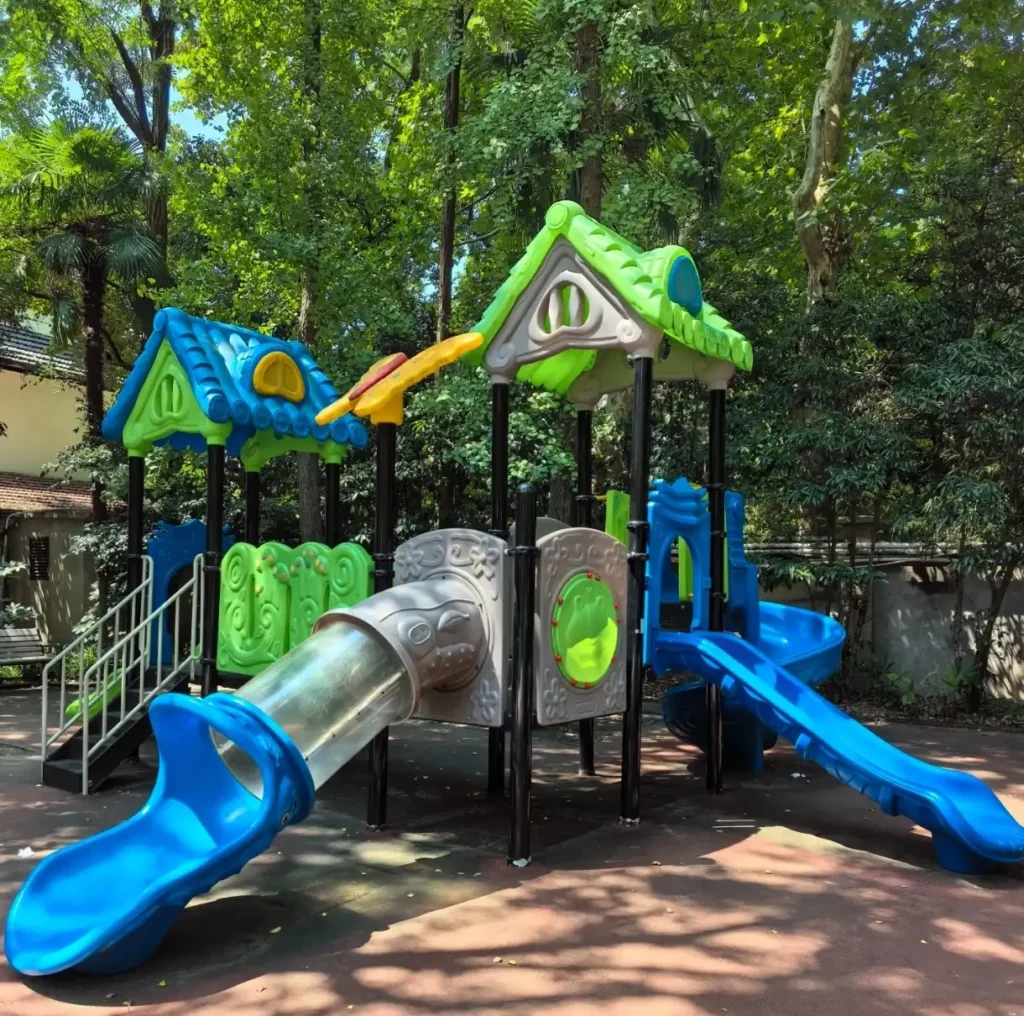
A playground slide is one of the most popular pieces of play equipment widely used in both indoor playground equipment and outdoor playground equipment installations. You can find them in public parks, preschools, indoor play centres, shopping mall amusement zones and family entertainment venues. While slides bring kids great joy during play, they also account for a large proportion of playground-related injuries reported each year. Many accidents are not caused by equipment failure alone, but by hidden hazards, improper installation, worn components, incorrect surfacing or unsupervised user behaviour. For playground owners, operators and maintenance teams, identifying typical slide risks and implementing targeted prevention measures is essential to reduce accidents and maintain safe play environments. Without systematic risk management, even well-built playground slides will gradually develop safety defects after months or years of heavy use, endangering children and exposing facility operators to potential liability, insurance claims and regulatory penalties.
Slide safety hazards can be grouped into several categories: structural defects, surface hazards, landing zone issues, entrapment risks, improper use and environmental damage. Different slide styles, including straight plastic slides, spiral slides, tube slides, metal slides and multi-level combination slides, have their own unique weak points. Regular risk assessment helps operators catch problems before they lead to injuries. Outdoor playground equipment is exposed to UV radiation, temperature swings, rain and humidity, all of which accelerate material ageing.Extreme weather such as heavy wind, hail and freezing temperatures can crack plastic panels, loosen support anchors and corrode metal frames. Seasonal changes also create hidden risks: frost heave can lift slide foundations in cold months, while summer heat can soften low-grade plastic and create deformations on sliding surfaces. Indoor playground equipment suffers from continuous high foot traffic, surface scuffing and erosion from cleaning chemicals. Indoor spaces also carry unique risks, such as poor ventilation and accumulated dust that slowly degrade plastic and soft composite materials over time. Humid indoor environments may also cause metal fasteners within these structures to rust quietly, hidden from plain sight. The following content outlines the most frequent hazards on playground slides, explains how each hazard occurs, and provides actionable prevention solutions for facility managers. These safety recommendations apply to both indoor and outdoor slide installations.
Main Common Hazards on Playground Slides
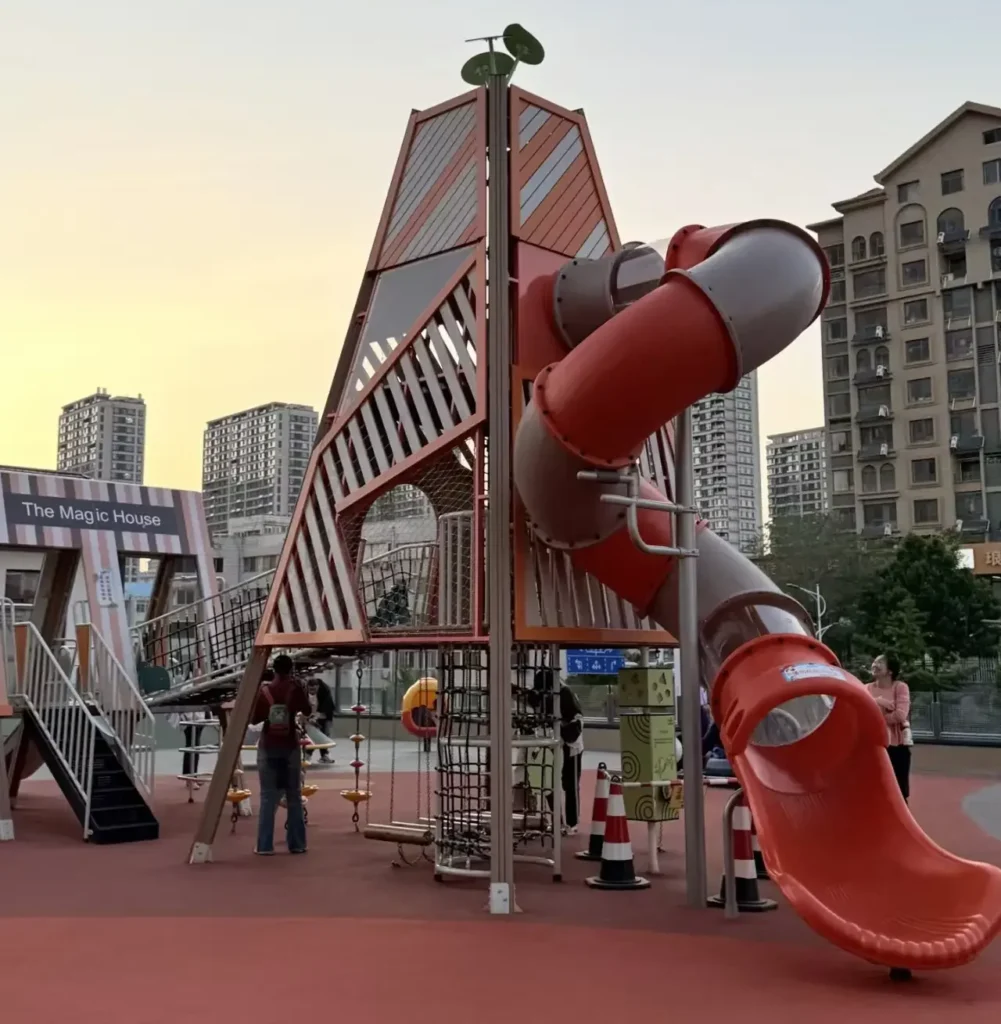
Most slide injuries happen at the entry platform, sliding surface, handrails and exit landing area. Sharp edges, gaps, insufficient protective surfacing and loose fasteners are the top four hazard types reported by playground safety inspectors.
| Hazard Type | Specific Risk Details | Potential Injury | Quick Check Tips |
|---|---|---|---|
| Sharp edges & burrs | Cracked plastic, broken metal coating, protruding bolt ends, damaged joint seams | Cuts, scrapes, lacerations | Run hands along slide surface and edges; check bolt caps |
| Entrapment & pinch gaps | Wide gaps between guard panels, openings in side rails, gaps between platform and slide body | Finger, arm or clothing entanglement; strangulation risk | Measure gaps; ensure openings cannot trap body parts |
| Damaged sliding surface | UV ageing, scratches, cracks, rough spots, uneven deformation | Skin burns, abrasions, trip or slip during sliding | Check for discoloration, brittleness and surface roughness |
| Unsafe landing zone | Thin, compacted or displaced safety surfacing, hard ground, debris at slide exit | Fractures, head impact injuries | Check surfacing depth and remove debris daily |
| Loose structural parts | Wobbly handrails, loose support frames, unstable entry platforms | Falls, crush injuries | Shake railings; inspect all fasteners |
Sharp edges and burrs
Plastic slides degrade under prolonged sunlight exposure. Small cracks expand and form rough burrs. Metal slides may peel after years of use, revealing sharp metal underneath. The most overlooked danger is exposed bolts without protective end caps. When children slide down quickly, exposed hardware can easily tear clothing or cut skin. Even minor scratches can worsen over time; rough sliding surfaces can cause painful friction burns, especially on bare legs in summer. Indoor playground equipment is not immune: frequent cleaning with abrasive tools can scuff the slide surface and create tiny sharp spots that are hard to spot visually. Many operators only perform visual inspections and skip tactile checks, leaving these subtle burrs undetected until an injury occurs. Some operators mistakenly believe minor surface scratches are harmless, but repeated friction from hundreds of children each week will deepen these marks and eventually create jagged edges.
Preventive measures for sharp edges
Inspect all seams and hardware during routine checks. Replace cracked slide panels immediately. Install plastic bolt caps for all fasteners. Smooth rough surfaces or replace damaged sections rather than leaving them in service. Avoid harsh abrasive cleaners on plastic slide surfaces. If burrs are found, suspend slide use temporarily for repairs. Never apply temporary tape as a long-term fix, as tape will peel quickly and create new hazards. Maintenance teams should document every sharp edge found, record the location and schedule repairs within a fixed time limit. For outdoor playground equipment, inspectors should pay extra attention to joint seams, as annual thermal expansion and contraction can separate panels and create new sharp gaps.
Entrapment and pinch points
Entrapment risks often exist in the gaps of guardrails, platform joints and tube slide openings. Safety standards define strict limits on opening sizes. Gaps that can trap a child’s head or neck must be eliminated. Loose side panels may shift and create new dangerous gaps after heavy use. Tube slides carry extra risks: internal seams, joints and ventilation holes may form hidden entrapment points that inspectors miss during quick visual checks. Fingers, drawstrings on hoodies, scarf laces and backpack straps are easily caught on these openings, which may lead to strangulation risks. Toddlers with smaller body sizes are more vulnerable to entrapment hazards than older kids. Even gaps that pass inspection at installation can slowly widen from vibration caused by constant play.
How to reduce entrapment risks
Measure gaps periodically according to EN 1176 and ASTM F1487. Fix loose panels promptly. Do not modify the original structure of slides without manufacturer approval. On-site, discourage clothing with long drawstrings where possible. During inspections, check both external guard panels and inner tube walls for new openings. Any component movement that widens gaps beyond standard limits must trigger immediate isolation of the slide. This inspection rule applies to both indoor playground equipment and outdoor playground equipment. Operators should also train supervisors to remind visitors to remove loose accessories before entering the slide area. Many facilities place signage at the slide entrance to warn parents about drawstrings, necklaces and loose items that create entanglement risks.
Landing zone failures
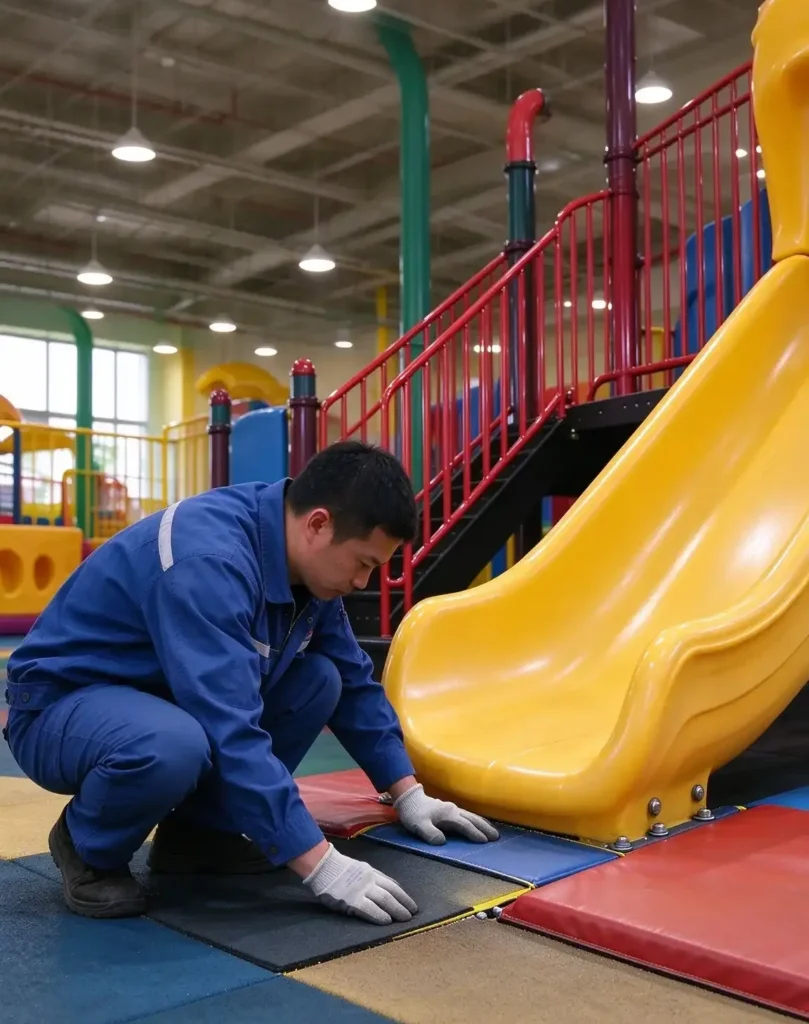
The landing area is the highest-risk zone for slide accidents. Rubber surfacing or loose-fill materials get compressed over time. Rain, foot traffic and cleaning activities shift padding away right at the slide exit. When the protective layer becomes too thin, falls onto hard ground can cause severe head injuries. Many operators underestimate how quickly surfacing degrades. Repeated impact from children sliding down pushes material outward, creating bare patches directly under the slide outlet. Outdoor playground equipment faces extra challenges: drainage problems may lead to standing water, rotting rubber mulch or compacted sand. Rubber tiles used for indoor playground equipment can lift, crack or separate at seams after years of heavy impact. Some indoor facilities overlook tile adhesive degradation, which slowly loosens tiles without obvious outward signs.
Landing zone maintenance best practices
Check surfacing depth regularly. Rake and refill loose-fill materials. Clear stones, sticks and trash from the landing zone before opening each day. For rubber tile systems, inspect tile adhesion and seam gaps. Improve drainage for outdoor landing zones to reduce water accumulation. Mark required surfacing depth on nearby posts for fast daily reference. If bare hard ground is exposed, close the slide until surfacing is restored. Facility managers should budget for regular top-ups or replacement of surfacing materials, instead of waiting for total failure. When replacing surfacing, operators must select materials approved by playground safety standards, as low-cost uncertified surfacing cannot properly absorb impact and will wear out rapidly.
Operational & user-related hazards
Equipment condition is only half of slide safety. Improper play behaviour also causes many accidents. Common unsafe actions include sliding down head-first, multiple children sliding together, and climbing up the sliding surface instead of the side stairs. Younger children may not understand speed risks and often stop halfway on the slide, creating collision hazards for children coming behind them. Crowding near slide entry points can lead to falls off the elevated platform. During holidays and weekends, visitor volume surges, increasing supervision pressure significantly. Younger children may also wander into zones designed for older kids, exposing them to faster, higher slides beyond their physical capability.
On-site supervision requirements
Operators can reduce these risks by posting clear safety rules near slides and arranging on-site supervision. Staff should intervene immediately when children break play rules. Train supervisors to watch for high-risk behaviours, especially during peak hours like weekends and school holidays. Separating play zones for different age groups is also helpful; toddlers have different physical capabilities and risk levels than older children. This management strategy works well for all indoor playground equipment and outdoor playground equipment projects. Signage should combine simple graphics with text so young children and foreign visitors can understand the rules easily. Operators should also consider limiting the number of children waiting on the entry platform to prevent overcrowding and falls from elevated heights.
What standards require for hazard control
International playground safety standards EN 1176 and US ASTM F1487 both require operators to identify hazards, carry out regular inspections and fix defects quickly. If a slide has critical safety defects and cannot be repaired right away, operators must cordon off the area with barriers and warning signs until repairs finish. It is not enough to simply mark the hazard; physical barriers must fully prevent children from accessing the faulty playground slide.
Record-keeping and documentation rules
Regular documentation is also required. Keep inspection logs, photos of defects and maintenance records for audits and insurance review. Many insurance providers require these records to maintain coverage. Inspectors should record defect locations, severity, corrective actions taken and completion dates. When replacing slide components, only use original manufacturer parts; generic substitute parts may not match structural strength or safety specifications, which will compromise the reliability of indoor playground equipment and outdoor playground equipment. Operators should also store all equipment installation manuals and manufacturer maintenance guides on file for reference during audits. Any repairs or modifications must be photographed and logged in the maintenance record for future review.
Component replacement guidelines
Never use generic spare parts to replace critical structural elements of playground slides. Non-certified replacement parts may have inferior structural strength or poor weather resistance. After installation of new parts, re-inspect the assembly to verify no new gaps or sharp edges appear. If the frame structure suffers heavy corrosion or deep cracking, partial repair is no longer sufficient, and full equipment replacement should be considered.
Final tips for slide operators
Staff safety training
Train maintenance staff to recognise hidden slide hazards beyond obvious damage. Many risks cannot be identified without tactile surface checks and gap measurement. Regular safety training sessions help maintenance teams stay updated on the latest playground safety standards. Training should cover the unique failure modes of indoor playground equipment and outdoor playground equipment separately.
Custom inspection schedules
Match inspection frequency to site visitor volume; high-traffic indoor playground equipment needs more frequent checks than low-use community outdoor playground equipment. Develop custom inspection schedules for each individual slide on your site. For seasonal outdoor playground equipment, schedule a comprehensive pre-opening inspection each spring after winter frost and ice melt.
Slide procurement & acceptance inspection
Choose high-quality slide materials resistant to UV, impact and wear at the procurement stage. Higher upfront material cost reduces long-term repair and accident risks. Ask suppliers to provide safety test reports before purchasing any playground slide. Verify that materials comply with EN 1176 or ASTM standards before delivery. Upon arrival, complete acceptance inspection to check for manufacturing defects before installation.
Third-party safety audits
Schedule annual third-party safety audits to verify full compliance. Independent inspectors can spot blind spots missed by in-house maintenance teams. These audits also provide objective evidence for insurance and regulatory checks. Third-party inspectors will evaluate not only the playground slide itself, but also surrounding surfacing, guardrails and access routes.
Emergency response planning
Create a clear emergency response plan for slide-related injuries, including first aid access and incident reporting procedures. All on-site staff should receive basic first-aid training, and the incident log must record injury cause, treatment and follow-up actions. After any serious incident, operators must perform an immediate full inspection of all indoor playground equipment and outdoor playground equipment to rule out similar hidden defects.